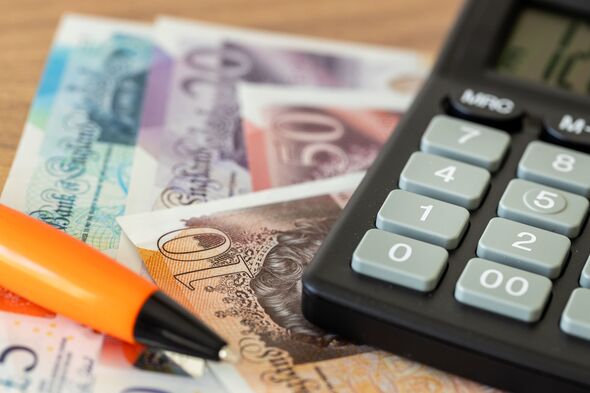







‘Best kept secret’ savings account offers 50% bonus rate (Image: Getty)
Help to Save customers have received over £220 million in bonus payments, which experts describe as an account that is “one of the best-kept secrets in personal finance.”
HM Revenue and Customs (HMRC) has today encouraged those eligible to sign up and take advantage of the scheme during UK Savings Week. Help to Save is a Government-backed scheme offering low-income earners a 50% bonus on their savings. Customers can deposit between £1 and £50 each month into the account and earn an extra 50p for every £1 they save. You can open an account if you claim Universal Credit and you had take-home pay of £1 or more in your last monthly assessment period.
READ MORE: ‘Energy price cap rise set to batter UK – but you can beat it and save £215’
READ MORE: NatWest to close 20 bank branches in October 2025 – full list

HMRC has encouraged eligible Britons to sign up for the Help to Save account (Image: Getty)
Savers who deposit the maximum amount of £2,400 over the four-year duration of the scheme will receive a £1,200 bonus. This bonus will be paid directly into their bank accounts at the end of the second and fourth years.
Latest figures show that since the scheme started in September 2018 to April 2025, 575,200 customers opened a Help to Save account and have paid a total of £588.2million into their savings pots.
Lucy Rigby, Economic Secretary to the Treasury, said: “The Government’s Help to Save scheme has boosted the savings of over half a million people across the country to the tune of £220million. We’re committed to helping families build financial resilience and putting more money in the pockets of working people.”
Benjamin Beck, Money Coach at Beck Money Coach, hailed the scheme and urged people to sign up. He said: “This is hugely positive and demonstrates the scheme works and people really want to make a difference and save if incentivised. I don’t think it’s advertised well enough, though, as more people could benefit.”
Eamonn Prendergast, chartered financial adviser at Bromley-based Palantir Financial Planning Ltd, pointed out that many don’t even know the scheme exists.
He continued: “Help to Save is one of the best-kept secrets in personal finance. A 50% government bonus, worth up to £1,200 over four years, is unbeatable, yet awareness remains low.
“Many eligible households either don’t know it exists or assume it’s complicated, when in reality it takes minutes to set up online. For families squeezed by rising costs, even small monthly deposits can build into a meaningful buffer. The real challenge is making sure more people actually hear about and use it.”
Our community members are treated to special offers, promotions, and adverts from us and our partners. You can check out at any time. Read our Privacy Policy
Scott Gallacher, director at Leicester-based Rowley Turton, agreed, adding: “The bigger concern is awareness.”
Only 575,000 people have signed up, which is less than 20% of the estimated three million working people on Universal Credit.
Mr Gallacher said: “It highlights the need for greater awareness and accessibility if the scheme is to reach its full potential.”
However, Anita Wright, chartered financial planner at Ribble Wealth Management, pointed out that the scheme is taxpayer-funded at a time when the country is struggling for cash.
She said: “The Help to Save scheme has supported over half a million low-income households with £220 million in bonus payments, but this money comes directly from the Exchequer through taxation or borrowing. With the UK already running high deficits, even modest schemes add to borrowing pressures.
“While it helps Universal Credit claimants build savings and offers participants an attractive risk-free return of up to £1,200, about 27% of account value is taxpayer-funded. Its visibility makes it politically powerful, but concerns remain over sustainability, targeting, and whether it distorts saving behaviour.
“Ultimately, it is other taxpayers who subsidise this incentive, at a time when many are facing higher taxes and reduced public services. Put bluntly, the Treasury is borrowing to reward saving, which may be justifiable socially, but it is not cost-free.”
How do Help to Save bonuses work?
Savers will receive the first bonus after the first two years, which will be 50% of the highest balance saved.
After four years, savers get the final bonus if they continue to save. This bonus will be 50% of the difference between the two amounts:
- The highest balance saved in the first two years (years one and two)
- The highest balance saved in the last two years (years three and four).
The most that Britons can earn from their savings in four years is £1,200 in bonus money. Adding this to the maximum amount people can save (£50 per month, equating to £2,400 over four years), it can leave savers with a sizeable £3,600 pot. However, it must be noted that if the highest balance doesn’t increase, savers will not earn a final bonus.
The Help to Save account will close four years after it is opened, and the saver will not be able to reopen it or open another one.
Can you withdraw money from a Help to Save account?
Although withdrawals can be made if needed, they may make it harder to grow the highest balance and earn the largest possible bonuses.
A statement on the Government website reads: “Withdrawing money could mean you are not able to earn a final bonus – depending on how much you withdraw and when.”
Will the Help to Save account affect my benefits?
Savings can bear an impact on a person’s benefit rate and eligibility. However, if those who claim Universal Credit or Housing Benefit have £6,000 or less in personal savings, the account will not affect how much Universal Credit a person gets. This includes Help to Save bonuses.
To apply for the account, savers will need their Government Gateway user ID and password, as well as their UK bank details.