






Brits are calling on the Government to rethink new rules to include pensions in taxable estates. Branding the policy change “unfair” in a new petition, campaigners argue it disincentivises people to fund their pensions.
Under the new rules set to take effect in April 2027, any unspent pension savings will be counted as part of a person’s estate for inheritance tax purposes. For those aged over 75, this could mean beneficiaries face not only inheritance tax but also income tax when they access the funds — a “double” hit that in some cases, could push the total tax burden to as much as 67%. Nathan Bridgeman, who launched the petition, said the move “may now result in a disproportionate and unfair double taxation on beneficiaries, which we think results in a disincentive to funding a pension.”
He added: “We think the Government need people to take responsibility for providing income in retirement and the simplest and most effective way for the majority to achieve this is a pension.”
The petition, which will run until February 2026, has reached more than 4,300 signatures so far. You can view it here.
When it reaches 10,000 signatures, a petition will trigger a Government response. At 100,000 signatures, petitions are considered for a debate in Parliament.
The Government previously said the reforms would help remove “distortions”, which have led to pension schemes being increasingly used and marketed as a tax planning vehicle to transfer wealth, rather than for funding retirement. It added that it also removes “inconsistencies” in the inheritance tax treatment of different types of pensions.
However, the reforms have garnered significant criticism from the pensions industry and other financial experts. Rachel Vahey, head of public policy at AJ Bell, said: “Despite a deluge of criticism, the Government has decided to press ahead with plans to apply IHT to unused pensions on death.
“HMRC has blown its opportunity to bin the original proposals, stubbornly sticking with a system that will create confusion, complexity and additional costs for bereaved families. Options were put forward by the industry which would have been far more straightforward than bringing unspent pensions into IHT, while still raising the same amount of tax.”
Ms Vahey noted that, although most savers will be unaffected and should not need to change their financial plans, some now face difficult choices about how best to arrange their finances.
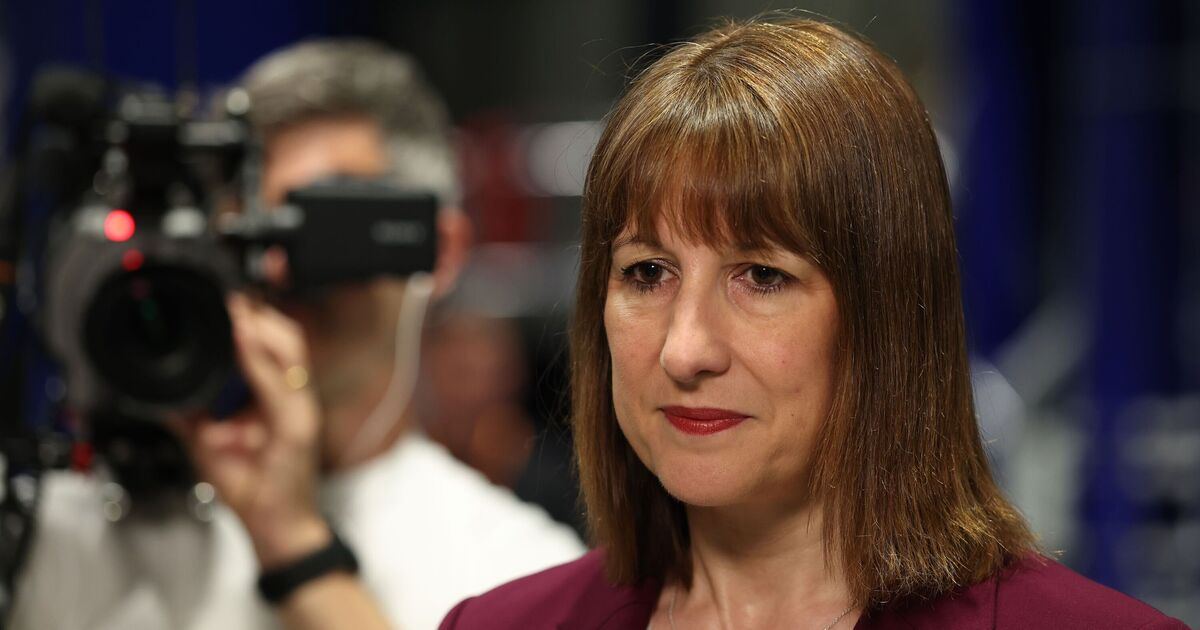
Samuel Mather-Holgate, independent financial adviser at Swindon-based Mather and Murray Financial, added: “Reeves has hit hard on inheritance. Inheritance tax planning is definitely on the rise, but there are many people unaware of the new rules let alone planning for them.”
What is inheritance tax?
Currently, estates valued over £325,000 are taxed at 40%, a threshold known as the “nil-rate” band, which has remained unchanged since 2009. Ms Reeves has confirmed that these thresholds will stay frozen until 2030.
In addition to the standard nil-rate band, there is also the residence nil-rate band (RNRB), which was introduced in April 2017. The RNRB allows individuals to leave their main residence to direct descendants, such as children or grandchildren.
The RNRB is £175,000, making the combined total of the nil-rate band and the RNRB up to £500,000 for an individual who qualifies for both.
Married couples and civil partners can take advantage of the inheritance tax thresholds through a “transferable nil-rate band.” This allows the unused portion of the first spouse or civil partner’s nil-rate band to be transferred to the surviving partner’s estate upon their death, increasing the nil-rate threshold to as much as £1 million.
There are a number of ways to manage your wealth inheritance tax efficiently – read more here.