

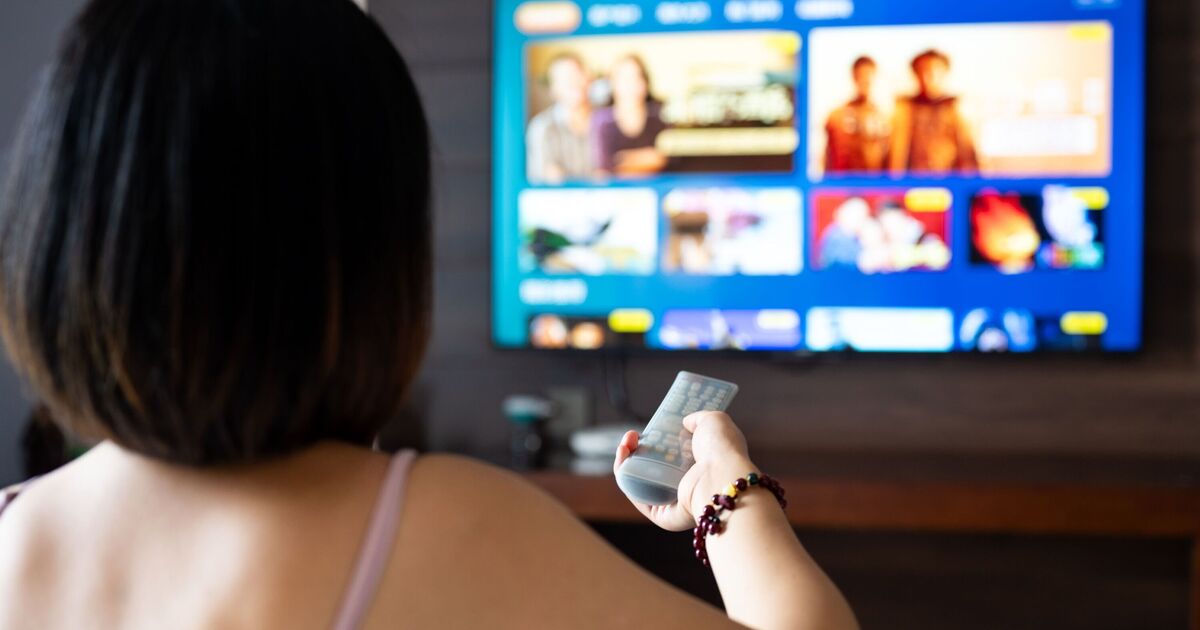

Brits could face yet another increase in the TV licence fee next year. This comes after the standard fee increased from £169.50 to £174.50 in April, a £5 rise. This annual cost is set to increase in line with inflation each year until the BBC‘s current charter period ends in 2027.
The TV Licence fee is expected to rise from £174.50 to about £181, based on September’s inflation rate of 3.8%. This would mean an increase of almost £7 for households across the UK, with the final amount to be confirmed in the coming weeks. People who are eligible for refunds include Department for Work and Pensions (DWP) Pension Credit recipients, as well as those who are blind and those living in care homes or shared accommodation. A standard TV Licence costs £174.50. Most people spread the cost with a Direct Debit, from £14.54 per month. There are also concessions and other types of licences. UK households are also receiving £174 refunds from TV Licensing following the resignation of the BBC Director-General. Around 300,000 households abandoned their television licences last year, opting instead for streaming platforms like Netflix and Amazon Prime. They’ll receive refunds of up to £174 from TV Licensing.
It comes after the shock resignation of the director general, Tim Davie, and the head of BBC News, Deborah Turness, following concerns about impartiality, including how a speech by US President Donald Trump was edited in an episode of Panorama, were raised this week.
Samir Shah said the BBC had mishandled an internal review of the matter but defended the corporation against claims it had buried stories or done nothing to address claims of bias, which he said were “simply not true”.
David Yelland, who edited The Sun from 1998 to 2003 and now presents a BBC podcast, told Radio 4’s Today programme that the departures were “a coup”.
And Liberal Democrat leader Ed Davey said on Monday that it was in Britain’s national interest to defend the BBC from foreign interference.
“It should be extremely concerning to us all to see the President of the United States pressuring the BBC over its leadership and attacking its journalists as corrupt,” Davey wrote.
“It should not be up to foreign powers to dictate where the British people get their news from. We must stand united to defend our democracy from foreign interference like this – even when it comes from a crucial ally.”