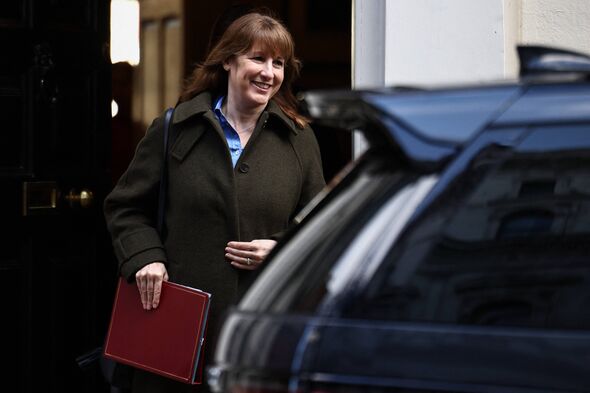






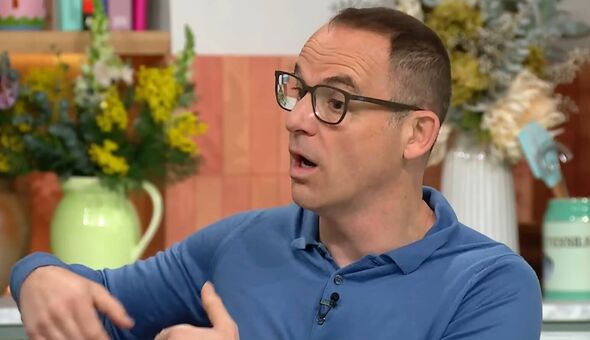

Martin Lewis spoke out as millions of people get letters from HMRC (Image: ITV)
Personal finance expert Martin Lewis has told people that even if they aren’t sure about the exact tax they need to pay they should estimate and put in a return as soon as possible. The deadline for putting the self assessments in was yesterday – and thousands face fines.
In an update today HMRC said: ” Anyone who missed the deadline should file their return as soon as possible to avoid any further penalties. Search ‘Self Assessment’ on http://GOV.UK to find out more.”
Missing the 31 January Self Assessment deadline results in an automatic £100 fine, with penalties increasing to £10 per day after three months, and further charges of 5% of the tax due or £300 at 6 and 12 months. Interest of 7.7% is also charged on unpaid tax, with penalties potentially exceeding £1,600 plus tax due.
Mr Lewis said that even if people are uncertain about the precise amount owed, submitting a “rough guess” and settling that figure beforehand stops the 7.75% interest from building up, even if you need to amend the actual form slightly afterwards.
Mr Lewis announced in a video on X: “Do you need to do a tax return? If you do, it’s urgent. The self-assessment tax deadline is the end of this month, the 31st of January, and 5.6 million people who do need to file one haven’t done it yet. If that’s you, get your skates on because if you miss a deadline, there’s a 100 quid fine, but more painfully, there’s also 7.75% interest on unpaid tax.
“In fact, what that means is even if you can’t do the form in time, have a rough guess of what you owe and pay that because that would reduce any interest you needed to pay for late payment of your tax.”
The Money Saving Expert founder raised the alarm after it emerged that more than 1.3 million people received letters notifying them they owed tax for the 2023-24 financial year, a substantial rise from 675,000 in 2021-22, according to data secured through a freedom of information request to HMRC. This dramatic increase means numerous individuals unfamiliar with self-assessment forms may be uncertain about how to proceed.
Specialists suggest the spike is partially attributed to the freezing of income tax thresholds, which have stayed static since 2021 and have now been prolonged until 2031. These thresholds determine how much one can earn before facing taxation, presently established at £12,570 for the basic 20% band, £50,270 for the higher 40% band, and £125,140 for the additional 45% band.
Mr Lewis stressed the critical importance of responding to these letters, declaring: “Well, the first thing to say is anyone HMRC has told to do so. If you’ve been sent a self-assessment tax form to do it, you have to do it, even if you don’t think you have to, you have to do it. Now, that’s more likely with people who are higher 40% or additional top 45% rate taxpayers or people with complex tax affairs.
“The other main categories of who should do it if you haven’t been sent a self-assessment form are those who are self-employed and who’ve earned over £1,000 in the tax year. So remember, this is the tax year from the 6th of April 2024 until the 5th of April 2025.”
On who might be affected without knowing it, he continued: “Anyone who gets child benefit and earned over £60,000 in the tax year and hasn’t opted to change your tax code so that you pay it through that way. Anyone who’s earned over £10,000 from savings interest or investment dividends in the tax year.”
Delaying could mean individuals find it difficult to get through on HMRC’s phone lines, he cautioned: “Now, there are some smaller categories-those are the main ones. If that’s you and you need to do this return, then don’t delay because the later you leave it, the more clogged up HMRC’s phone lines get if you need to speak to them, plus accountants, they’re also busy, and getting it all filed if you need help, it all gets a lot trickier and it will be a lot more painful. Doing it early will relieve some of that pain, though you’ll still have to pay.”
Those who miss the deadline could face an initial late filing penalty of £100, with potential further penalties to follow. The £100 fixed penalty applies whether or not there is tax to pay or if the tax due is paid on time.
Myrtle Lloyd, HMRC’s chief customer officer, stated: “What better way than to ensure your tax affairs are in order for another year than completing your tax return.
“If you have yet to start, the clock is ticking, go to gov.uk and start today.”
HMRC explained that people can begin their tax return, save it and return to it as many times as needed before submitting it. Once submitted, the bill doesn’t need to be settled immediately, but must be paid before the January 31 deadline, the revenue body confirmed.
Individuals can establish alerts through the HMRC app to guarantee they remain informed when payments become due, assisting them in avoiding missing crucial deadlines. Those unable to meet the deadline are being urged to contact HMRC prior to 31 January.
Urgent. Do you need to do a tax return? The self assessment deadline is 31 Jan. Miss it and there’s £100 fine and 7.75% interest. pic.twitter.com/5dovrVhuHc
— Martin Lewis (@MartinSLewis) January 7, 2026
HMRC has declared it will handle those with legitimate reasons compassionately. Steve Webb, a former pensions minister and current partner at consultancy firm LCP, remarked: “The continued freezing of the income tax personal allowance means that the numbers getting unwelcome end-of-year tax demands have soared.”
Numerous such individuals will be pensioners whose sole income derives from the state pension, and they now face an annual tax bill, with the sums rising each year.
“Although the government has indicated it may address this issue for a subset of pensioners from 2027, a much wider-ranging solution is needed.”
LCP forecasts that the number of people receiving simple assessments will exceed two million when figures for 2024-25 emerge in the forthcoming tax year.