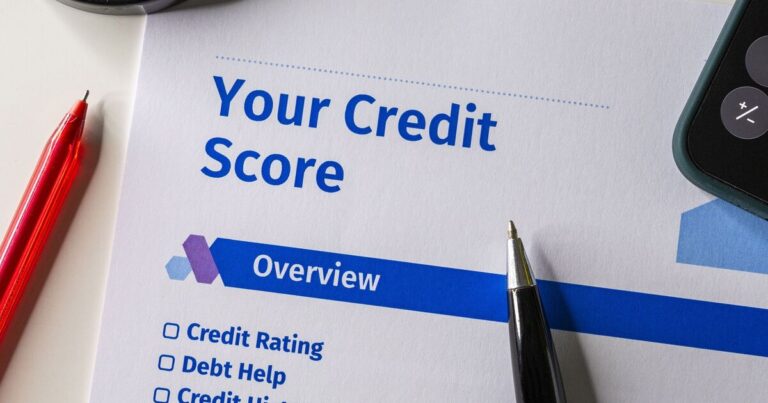







People should be aware that one word could give it all away (Image: Getty)
People could lose an average of £300 if they fail to spot this one-word problem whenever they open their emails. There are several red flags that people should be on the lookout for to protect what is rightfully theirs.
Email scams, also known as ‘phishing’ scams, have become increasingly common as fraudsters come up with new ways to try and steal your personal information and bank details from miles away. In a digital world, people need to be on guard constantly, as these threats could land in an inbox at any time.
These scams often involve a fraudster sending an email pretending to be from a well-known brand or retailer, with the goal of tricking you into thinking it’s genuine. Often, people who fall for the trick are sent to a spoofed website and willingly hand over personal information innocently, leading to them losing a lot of their hard-earned money.
In some cases, people don’t even have to enter any details as the email might release malicious software which can infect your computer, tablet or mobile phone with a virus. BBC‘s Morning Live claimed in a recent report that, on average, victims of email fraud lost around £300 per case.
The data shows fraud remains one of the UK’s biggest financial threats, with over two million cases between January and June 2025. However, this is only the reported figure, with countless victims potentially staying silent out of shame or embarrassment.
READ MORE: ‘I thought I was talking to celebs – I sold my house and gave them £250k’
READ MORE: Red alert for iPhone and Android users with millions urged follow 4 new rules
If you suspect an email might be from a scammer, don’t click on any links or download any attachments. Consumer champion Which? has recently shared some of the warning signs that Brits can arm themselves with to avoid becoming a victim should a scammer choose to target them with a dodgy email link.
‘One word’ impersonal greetings
Which? claims that some email scams include your name in the first line of the message. However, not all do.
A spokesperson said: “Sometimes scam emails will just say ‘Hi’ and not include a name, or your email address will be used after ‘Hi’. This impersonal approach is a sign that it’s likely to be a scammer behind the email.”
Check the address
Which? specialists claim that scam emails might come from “an unrecognisable email address” made up of random numbers, letters or words. However, some scammers are getting savvy and counting on Brits to give the address a quick glance, missing the obvious warning signs.
In some cases, criminals try to appear as close to the brand or company as possible while making subtle misspellings, such as extra or missing letters. Scammers may also try to trick people by substituting the letter ‘O’ with a zero, which can look almost indistinguishable.
Our community members are treated to special offers, promotions, and adverts from us and our partners. You can check out at any time. Read our Privacy Policy
Scams are getting more sophisticated in 2026, but there are bound to be slip-ups somewhere as criminals try to cover their tracks. Which? claims there are some steps that go over everything with a fine-tooth comb:
More tips to protect yourself online
- Hover your cursor over anywhere you’d usually expect there to be a link in the email. For example, check the bottom of the email for ‘contact us’ buttons or links to terms and conditions.
- It’s also worth checking whether any dates in the email are correct. Often scammers will forget this detail.
- Take a look at the quality of any logos in the email. For example, if the images are pixelated, this can strongly indicate that the email is a scam.
- If an email asks you to update or re-enter your personal information or bank details out of the blue, it is likely to be a scam. Most companies will never ask for personal information via email.
- Fraudsters will try to pressure you with time-sensitive offers, encouraging you to act now or miss out on ‘exclusive’ deals. It’s better to miss out on a genuine deal than risk compromising your personal details.

Reports claim that the average victim loses at least £300 each (Image: Getty)
If you’re still unsure whether a scammer is behind the email you received, get in touch with the brand or company directly. You can use email to get in touch directly, via social media or its ‘contact us’ page (going to the website yourself).
How to report an email scam
Despite these worrying figures, banks did manage to prevent £870 million worth of attempted fraud through security systems, blocking around 70% of all cases. People can report these dodgy emails by forwarding the message to [email protected].
This service allows the National Cyber Security Centre (NCSC) to analyse and take down malicious websites. Reporting a scam is free and only takes a minute.
By reporting phishing attempts, you can reduce the amount of scam communications you receive, make yourself a harder target for scammers and protect others from cybercrime online.