






Pensioners will receive an above-inflation boost of more than £550 annually from April under the Government’s triple lock pledge. However, pension experts have cautioned that while the rise is welcomed, it poses “serious questions about long-term affordability and the likely impact on workers”.
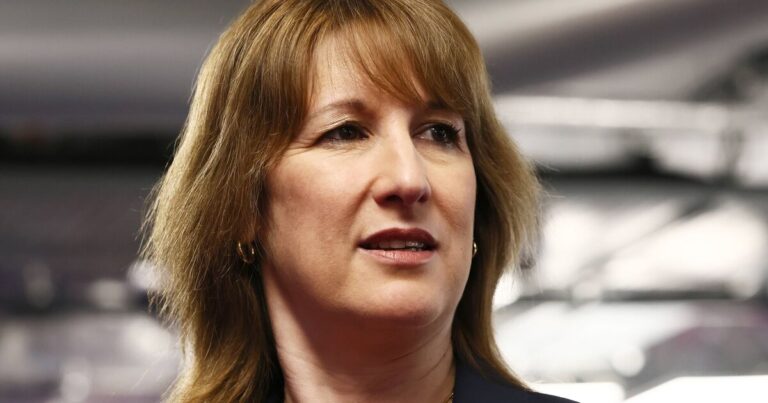
Chancellor Rachel Reeves is anticipated to confirm the increase in Wednesday’s Budget. Approximately 13 million pensioners will benefit from the decision, which comes after weeks of speculation.
Individuals on the full new state pension will receive more than £550 extra per year. Those on the full basic state pension will get around £440.
Ms Reeves has stated the rise reflects the Government’s pledge to provide pensioners with security in retirement. The Budget is anticipated to include several other cost-cutting measures.
These encompass potential restrictions on how much workers can contribute to their pension pots through salary sacrifice before National Insurance becomes due, an expansion of fraud checks and discussions regarding a pay-per-mile tax for electric vehicle drivers.
Experts at Spencer Churchill Claims Advice praised the support for retirees, but cautioned that the increase placed a greater strain on the public finances.
A spokesperson said: “This increase of up to £550 a year will be very welcome for millions of pensioners who are finding it increasingly difficult to keep up with rising living costs. However, the policy is becoming significantly more expensive for the Government every year. The triple lock now costs far more than originally forecast, which increases the strain on an already tight Budget.
“Analysis from the Office for Budget Responsibility has highlighted that the triple lock is now costing around three times more than expected when it was introduced. Pensioners will benefit immediately but the wider question is how these increases will be funded in the long term without shifting the financial burden onto working households.”
Workers may feel the impact
The specialists believed younger employees could be hit by the methods employed to finance the increase.
The spokesperson added: “If the Government restricts salary sacrifice pension arrangements or freezes tax thresholds, workers could find themselves paying more. There is a delicate balance between giving pensioners stability and protecting the retirement prospects of those who are still saving.”
Crucial juncture for retirement planning
Spencer Churchill Claims Advice also urged pension holders to examine their strategies, as modifications may impact future earnings.
The spokesperson said: “For those already retired or approaching retirement, the increase provides some welcome relief. That said, anyone who may be affected by tax changes or pension saving reforms should reassess their financial planning. The decisions made this week could influence contributions, returns and the level of protection available to those who have experienced issues such as mis-sold pension products.”