



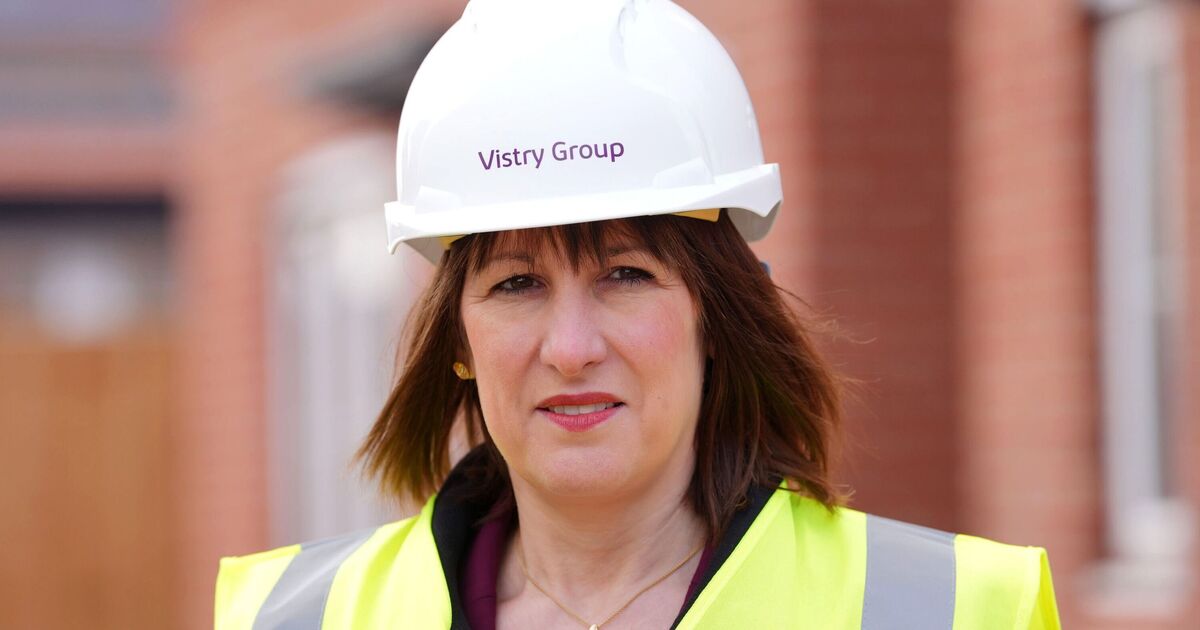

Chancellor Rachel Reeves’ rumoured plans to replace Stamp Duty with a “property tax” will only lead to higher house prices, experts have warned.
In an effort to balance the books and boost the economy, it’s understood that Ms Reeves has asked officials to review Britain’s property taxation rules ahead of the Budget. One measure Labour is reportedly examining is how a new “national property tax” can be implemented on the sale of residential homes valued at above £500,000. A source close to the Treasury has reportedly dismissed the idea, however, sellers remain “concerned” about what might come.
Property experts warn that if the move did go ahead, it would only push up house prices as sellers may be more inclined to include this levy in the asking price of their homes.
Stephen Perkins, managing director at Norwich-based Yellow Brick Mortgages, said: “Financially, unless the property tax is ridiculously high, this will raise less money than stamp duty, as fewer homes will be affected. Initially, sellers will just build this into asking prices, sending prices up.
“The biggest fear will be thresholds being frozen, and it won’t be long before the majority of houses south of Manchester will be included in this tax.
“Those who paid stamp duty to buy their homes, who will then pay a further tax when selling them to downsize, will be rightly frustrated. This potential fiscal overhaul smacks of desperation and a party clutching at straws.”
Craig Fish, director at London-based Lodestone Mortgages, also highlighted the downsides to the scheme.
He said, “As usual, Rachel [Reeves] is only thinking about how to earn a quick buck. The long-term consequences could be far worse. It’s likely that the major downside is that it would stop people from selling or moving, especially in high-value areas, namely the South.
“The result is less income overall. There are many more, however, and if Rachel goes through with this, the housing market will change forever. Just get on and build more affordable homes, reduce stamp duty for those downsizing and watch your coffers swell.”
Stamp Duty is a levy on homes costing more than £125,000. The threshold for first-time buyers is £300,000. The tax is widely criticised, with many arguing it brings another obstacle to an already challenging market.
Scott Gallacher, director at Leicester-based Rowley Turton, said the rumoured change would just be a “reshuffle of the deckchairs”. He said: “Stamp duty is a brake on the housing market, and scrapping it would be welcome — but the devil is in the detail.
“The property market is a key driver of consumer confidence, and with little sign of growth elsewhere, getting it moving is vital. The concern is what replaces stamp duty. With the Government’s finances in a dire state, a new tax on property risks being little more than a reshuffle of the deckchairs — and could end up shooting ourselves in the foot if it dampens confidence further.”
Michelle Lawson, director at Fareham-based Lawson Financial, admitted an overhaul of stamp duty is needed—but “this should not be it.”
She added: “Everyone or nobody pays, otherwise you create another division and another cliff edge, namely the £500,000 mark. Short-sighted tax grabs will be a disaster and will end up generating less rather than more.”
Sarah Coles, head of personal finance at Hargreaves Lansdown said: “Budget speculation season has kicked off, with a huge range of potential tax hikes and rule changes dragged into the debate. Today, a tax on the sale of properties worth over £500,000 is up for discussion.
“While it’s just speculation at the moment, separate reports suggest it won’t happen, and Pensions Minister Torsten Bell refused to be drawn on the subject. It will be raising concerns among anyone planning to sell.”