







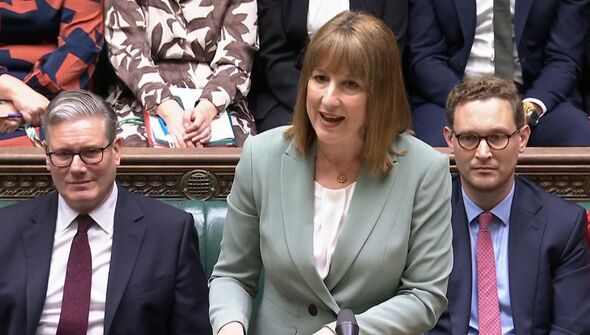

If there’s one phrase guaranteed to make the nation’s collective wallet twitch, it’s “Spending Review”. Last week, Chancellor Rachel Reeves took to the Commons to unveil her first multi-year spending plan, paid for by taxpayers. While her announcement was heavy on the big-picture stuff – billions for the NHS, defence, and affordable housing – the real question for most of us is: “What does any of this actually mean for our own finances?”
Starting off with the most talked-about U-turn of the past month, nine million pensioners are set to have their winter fuel payment reinstated this year. Under new rules, set to cost a staggering £1.25billion, state pensioners in England and Wales with an income of under £35,000 a year will now be eligible for the payment, rather than just those who receive means-tested benefits.
Those with an individual income above £35,000 will still receive the payment, but it will be reclaimed through the tax system, either through PAYE or self-assessment. Reeves says this change is possible because Labour has restored “stability” to the economy, freeing up more funds.
For bus users, the Chancellor confirmed that the £3 cap on single fares will continue until 2027. The cap, which rose from £2 to £3 in January, was originally set to expire at the end of this year.
It applies to bus routes across all regions of England, though operator participation is voluntary. The Chancellor announced fresh funding for “renewal” projects in 350 communities, targeting upgrades to parks, youth facilities, pools, and libraries.
However, official documents suggest council tax will need to rise to boost local authority budgets, meaning higher bills for you. However, some households qualify for council tax discounts; for example, single occupants receive a 25% reduction, while those on low incomes or certain benefits may qualify for further reductions or even full exemptions.
Phone your local council to find out more. Around £17.8billion in taxpayer-backed funding for a new nuclear power plant, Sizewell C, in Suffolk, was announced.
The Treasury will borrow the money, and households will pay about £1 extra per month on energy bills to cover interest. Ministers expect the plant to significantly reduce energy bills in about a decade. The Chancellor also confirmed plans to improve home insulation, aiming to further cut energy use and household costs.
A £39billion investment will expand affordable and social housing in England, and from September 2026, any parents who receive the Universal Credit benefit will be able to claim free school meals for their children.
People with public sector jobs and pay may be impacted as major funding goes to defence, the NHS, and science, while departments like the Home Office, Foreign Office, Transport, Environment, and Business face annual cuts of 1.7% to 6.9%, risking job and wage squeezes. Meanwhile, long-term projects such as Sizewell C are expected to generate thousands of new jobs.
Overall, while the Chancellor’s plans bring some unavoidable pressures, especially for council tax payers and certain public sector workers, the outlook isn’t all bad. New investments in housing, transport, and home insulation could ease costs for many.
But if you’re worried about the cost of living, remember that help is available. Charities like Turn2us offer free support and advice to anyone struggling to make ends meet.
++++++++++++++++++++++++++++++++++++++++++++++++++++++++++++++++++++++++++++++++
DEAL OF THE WEEK
Morrisons Cafe is offering a variety of great food and drink savings deals. You can enjoy free, unlimited hot drink refills if you buy one first for £1.85. The offer includes anything from lattes and cappuccinos to hot chocolates and fruit teas. The refills are available across all self-serve machines, and no code is needed to redeem the offer. Meanwhile, people aged 60 and over can get a small breakfast and a refillable hot drink for £6, all day, any day.
++++++++++++++++++++++++++++++++++++++++++++++++++++++++++++++++++++++++++++++++
If you’re struggling with household bills, it’s worth checking if you’re eligible to claim a social tariff. Social tariffs provide discounted broadband, mobile phone, and water bills, and people who receive certain Government benefits, such as Universal Credit or Pension Credit, can claim them.
The deals can lower bills for these services to as little as £10 per month, such as the O2 Essential Plan, which provides 10GB of data plus unlimited calls and texts for this price.
More than £3billion worth of this support goes unclaimed every year, making it vital to check if you qualify. Visit Ofcom’s website for information on broadband and mobile tariffs, or the Consumer Council for Water (CCW) for water bills. Charities like Turn2us or Citizens Advice can also steer you in the right direction