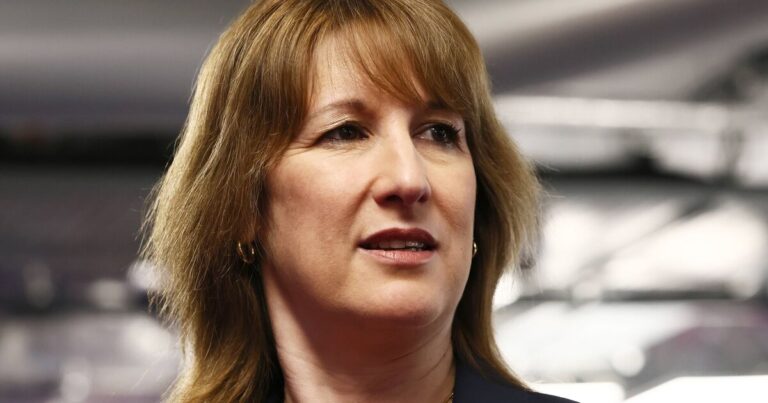







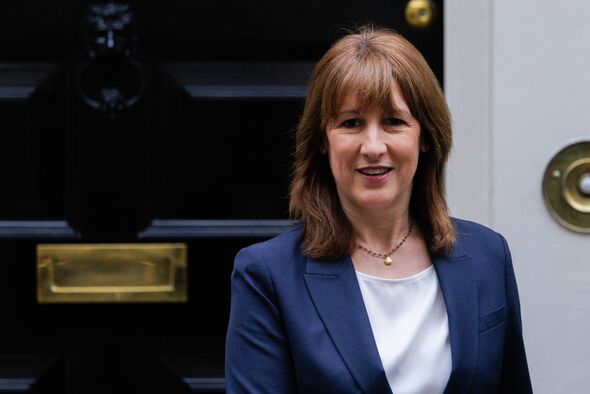

Chancellor Rachel Reeves is restricting the rules around salary sacrifice schemes (Image: Getty)
Millions more workers could be impacted by Rachel Reeves’s plans to restrict rules around salary sacrifice schemes for pensions, it has emerged.
Salary-sacrificed pension contributions above a yearly £2,000 threshold will no longer be exempt from National Insurance contributions (NICs) from April 2029.
Employers may offer salary sacrifice as part of their pension scheme as a tax-efficient way to help workers boost their pots.
The schemes allow people to maintain their take-home pay, as people end up paying lower National Insurance contributions.
Figures released by HM Revenue and Customs (HMRC) in December suggested about 3.3million pension savers were directly on course to be hit.
HMRC has said an estimated 7.7million employees use salary sacrifice to make pension contributions – and of these, 3.3million sacrifice more than £2,000 of salary or bonuses.
But former pensions minister Sir Steve Webb said a new document published on Thursday by the Office for Budget Responsibility (OBR) indicated that many workers sacrificing less than £2,000 could also lose out.
The OBR document said that the behavioural response to the measure was “highly uncertain, given the various channels through which employers and employees can respond”.
Sir Steve, who is now a partner at consultants Lane Clark and Peacock, said: “The Budget change to salary sacrifice rules around pensions was a huge measure which will cause employers to rethink their pay and pensions policies.
“The independent OBR shows very clearly that there are a range of ways in which employers will respond, which will affect the wider workforce and not just those contributing over £2,000 via salary sacrifice.
“Far from ordinary workers being ‘protected’ from the changes, we could see millions of people on modest incomes losing out as well, further undermining their incentive to save in a pension.
“We urgently need the Government to be clear about the true scale of the losses from this policy and not continue to suggest that ordinary workers will not be affected.”
The OBR document said: “Employers could look to formalise salary sacrifice arrangements to replicate the tax benefits of salary sacrifice by increasing contributions in place of wage growth or lowering contractual salary in exchange for higher employer contributions.”
The document highlighted “pass through”, with an assumption that a portion of some of the cost to employers would be passed on. This could be through how they paid pension contributions, salaries, or bonuses, for example.
Some employers could end salary sacrifice schemes, which would affect the workforce generally.
A Treasury spokesman said: “This isn’t new information – the costing note published at Budget included the behavioural impacts of the measure. Our reforms protect 95% of workers earning under £30,000 who use salary sacrifice, while tackling costs that were set to treble to £8billion as high earners piled in bonuses tax-free.”