







Web 3 Journalist
Tim Hakki
Web 3 Journalist

Share

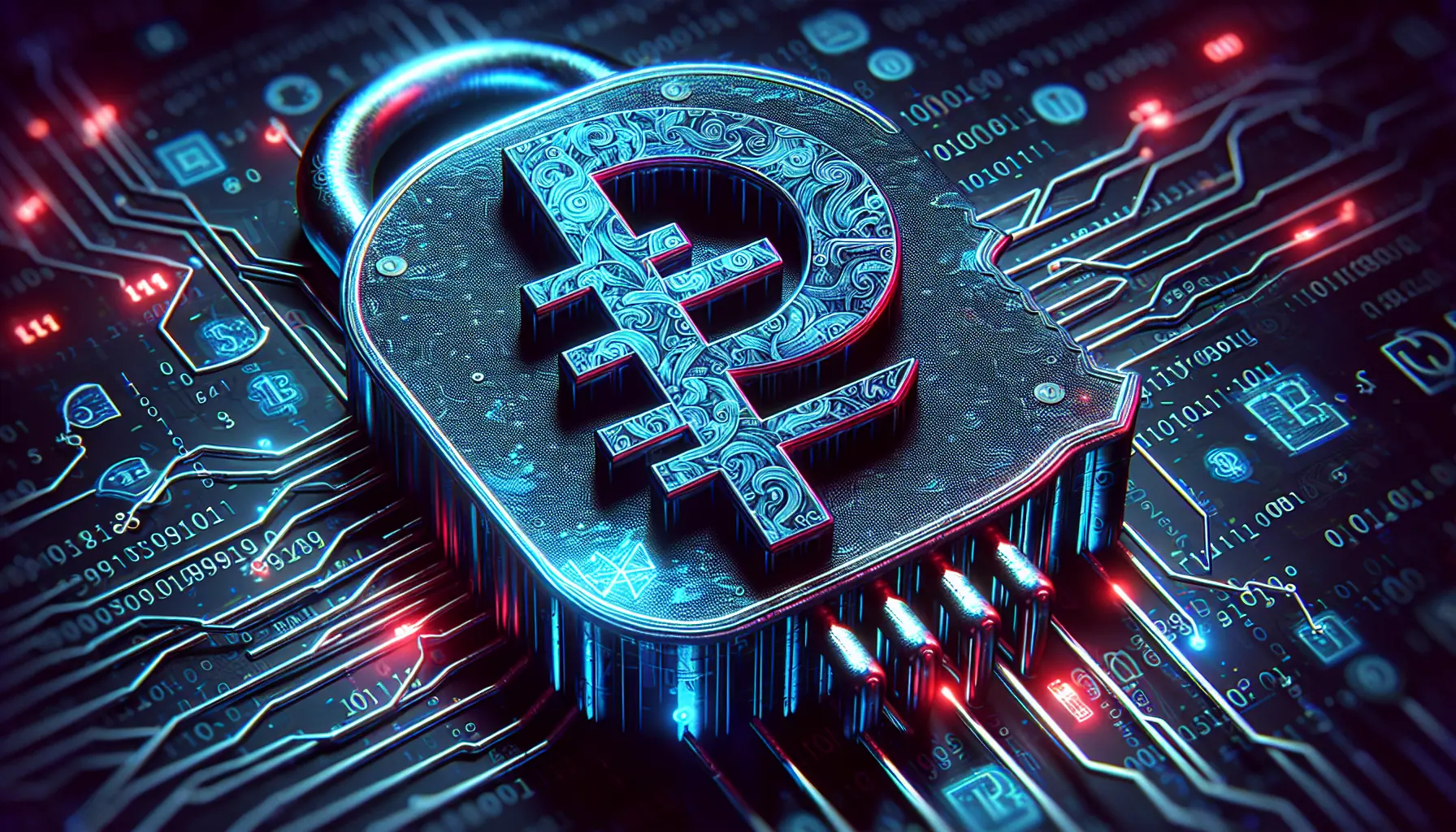
Breaking RBC reports suggest that Russia is manoeuvring to block foreign crypto exchange websites like Binance and OKX starting September 1 unless they comply with strict domestic regulations.
The strategic move funnels crypto customers to locally licensed and state monitored exchanges, securing control over cross-border on-chain capital flows while tightening the grip on retail speculation.
Key Takeaways
- The Move: Foreign crypto exchanges face a potential blockade by September 1 under new “experimental” legal frameworks.
- The Goal: Authorities want to centralize cross-border crypto payments to evade sanctions while monitoring domestic capital flight.
- The Impact: Traders using offshore platforms may be forced onto planned state-backed exchanges in Moscow and St. Petersburg.
Why Is This Happening Now?
Why limit access now? It comes down to control. Following the laws signed by President Putin in August 2024, crypto is no longer viewed merely as a speculative asset but as a critical tool for bypassing SWIFT bans. However, the Kremlin demands oversight.
Data from Chainalysis indicates Russia has pivoted toward “legislated sanctions evasion.” By forcing activity onto domestic platforms, authorities can monitor flows that were previously opaque.
This broadly mirrors concerns across the continent in Brussels, where leaders like Christine Lagarde warn of regulatory gaps in digital finance. Moscow wants those gaps closed.
The government is essentially bifurcating the market. One lane is for state-sanctioned entities like exporters using crypto for international settlement.
The other lane (retail) is being subjected to extreme friction to prevent capital flight.
Discover: The best meme coins on Solana
How Will the Ban Work?
The proposed mechanism targets foreign platforms offering unlicensed access. While major players like Coinbase, which Cathie Wood recently doubled down on, rely on global accessibility, Russian user bases are substantial.
Under the new regime, only exchanges operating within specific “experimental legal regimes” (EPR) might survive.
Reports suggest plans for state-backed exchanges in St. Petersburg and Moscow are accelerating.
These venues would facilitate cross-border trade for approved exporters while retail traders get squeezed out of foreign venues. Compliance is the bottleneck.
As noted in Crystal Intelligence’s regulatory roadmap, strict KYC and capital requirements have been on the table for Russian regulators since 2022. Now, they are becoming entry barriers.
Finance Minister Anton Siluanov has previously admitted that Moscow finding a regulatory solution is complex but vital.
Yet, the urgency to mitigate sanctions is overriding technical hesitations. This aligns with global trends where developer liability and platform compliance are central to legislative debates.
If foreign entities do not register locally, a move many will refuse due to Western sanctions, they face a hard block.
What Happens Next for Traders?
If the crackdown goes live in September, expect a liquidity fracture. Russian retail volume, estimated over a hundred billion annually, will likely flood into underground P2P networks or the few sanctioned domestic entities like Garantex.
As industry lobbying groups work to define clearer frameworks globally, Russia’s isolating move offers a stark counter-narrative: nationalization over decentralization.
In that light, the ruble pairing spreads may reveal the first signs of this shift.