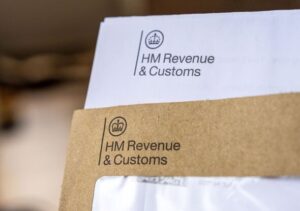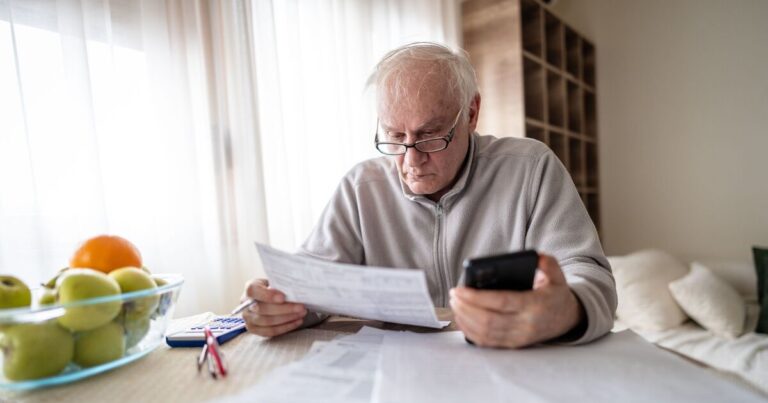






More than 1m Brits – many of them savers and pensioners – are being landed with unexpected tax bills averaging £920, as the quiet impact of frozen income tax thresholds bites harder. Figures released by HMRC show a sharp rise in so-called simple assessments – letters sent to people who owe income tax that cannot be collected automatically through PAYE.
These demands typically hit those with state pensions, savings income or small private pensions, where tax is not deducted at source. The data reveals how the average underpayment has surged in just a few years. In 2019/20, the typical bill was £600. By 2023/24, it had jumped to £920, according to figures obtained under the Freedom of Information Act.
Experts warn the problem is set to worsen as tax thresholds remain frozen until 2031, pulling ever more people into paying tax – or paying more of it – even without any real increase in living standards.
The personal allowance – the point at which income tax starts to be paid at 20% – has been stuck at £12,570 since 2022 and will stay there for another six years. Over that period, wages, savings interest and the state pension have all risen, meaning more people now breach the tax-free limit or face larger bills when HMRC eventually tot up what is owed.
While most workers pay tax automatically through PAYE, state pensions are paid without tax deducted. HMRC therefore issues PA302, or simple assessment, letters when it calculates that tax is due. As fiscal drag tightens its grip, growing numbers of households are discovering they owe tax they never budgeted for.
Ian Futcher, financial planner at Quilter, told The i Paper: “The steady rise in the average underpayment highlighted by this data is a clear symptom of fiscal drag at work. As tax thresholds remain frozen while incomes, pensions and investment returns creep higher, more people are finding themselves owing tax they simply did not expect to pay.
“Looking ahead, this issue is unlikely to ease. With income tax bands still frozen and the state pension continuing to rise under the triple lock, the average amount owed is likely to increase further in the coming years, particularly for those with multiple small income sources that are not taxed at source.
“Anyone receiving a simple assessment should not ignore it. It is important to check the figures carefully, make sure all income has been reported correctly, and understand how the tax has been calculated.”
Chancellor Rachel Reeves has recently confirmed that when the full new state pension rises above £12,570 – expected within the next two years – people whose only income is the state pension will not be forced to pay income tax. However, Mr Futcher warned that this protection is narrow and will not apply to millions with even modest extra income.
He said: “At the Autumn Budget, the Government confirmed that people whose only income is the state pension will not be required to pay income tax. While this will provide reassurance to some, it is important to stress that the protection is very limited.
“Many pensioners have small additional income streams, such as private pensions, savings interest or investment income, which can quickly tip them back into the tax system.”
HMRC said anyone struggling to pay a simple assessment bill in one go should contact the department, adding that payment by instalments may be agreed in some cases.