






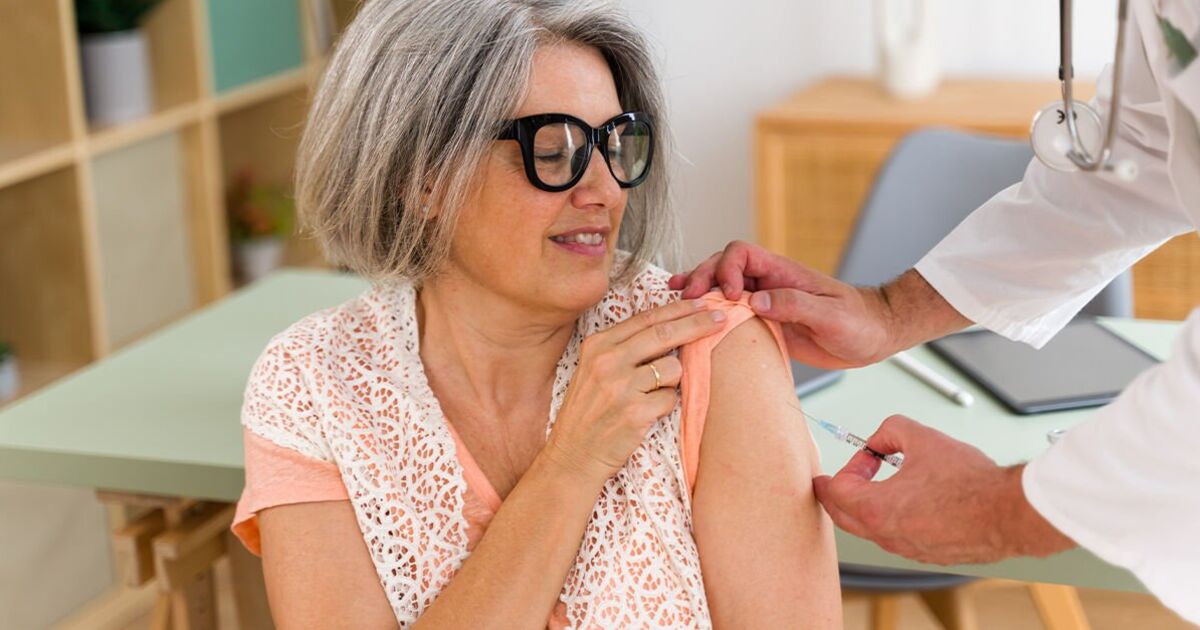

Superdrug has encouraged people to go out and get their flu jab sooner rather than later. Some people can get their flu jab for free on the NHS, including those aged 65 and over and people with certain medical conditions. You can get your NHS flu jab from now until the end of March.
Niamh McMillan, Superdrug pharmacy superintendent, spoke about when it’s best to get your vaccine. She said: “NHS England advises that the majority of adults should get their flu vaccine between the start of October and the end of November, although vaccinations will be available until the end of March.
“This timing ensures that individuals develop optimal immunity before flu activity typically peaks in the UK. Since it takes around two weeks for the body to build sufficient protection after vaccination, delivering doses in early autumn allows immunity to be well-established before the virus begins circulating widely.”
She said that some groups are particularly at risk of getting seriously ill with the flu, including older people, those with some health conditions, and pregnant women. Niamh said: “The vaccine is the best protection we have to prevent severe illness and hospitalisation.”
There is also a risk that those who are entitled to get the jab for free miss out. Niamh said: “Every year, we see some groups miss out: often younger adults with long-term health conditions like asthma or diabetes who don’t realise they’re eligible for a free jab. Some people also underestimate how serious the flu can be, assuming it’s just a bad cold.”
Superdrug offers the free NHS flu jab at some of its pharmacies, as well as private vaccinations at all its pharmacies. You can book your appointment online for both NHS and private services. The private service is £9.95 for Health & Beautycard members or £19.95 for non-members.
Dr Bhavini Shah, from LloydsPharmacy Online Doctor, is also calling on people to get their jab now. She said: “Flu season typically begins in the autumn and peaks between December and February, so getting vaccinated early gives your body time to build immunity before the virus starts circulating widely.
“It takes around two weeks for the vaccine to provide full protection. The earlier people are vaccinated, the better chance we have as a community of reducing transmission, protecting vulnerable individuals, and preventing pressure on NHS services during the winter months when hospitals are already under strain from seasonal illnesses.”
Who can get a free NHS flu jab?
You can get the free NHS flu vaccine if you:
- Are aged 65 or over (including those who will be 65 by March 31, 2026)
- Have certain long-term health conditions
- Are pregnant
- Live in a care home
- Are the main carer for an older or disabled person, or receive a carer’s allowance
- Live with someone who has a weakened immune system.
Which groups of health conditions should get an NHS flu jab?
Dr Shah warned that if you have a long-term health condition, the effects of getting flu can be worse, even if your condition is well managed and you feel well at the moment. She said you should get the free NHS jab if you are pregnant, seriously overweight (BMI of 40 and above) or have a long-term condition.
This includes conditions such as:
- A heart problem
- A chest complaint or serious breathing difficulties, including bronchitis, emphysema, or some people with asthma (needing a steroid inhaler or tablets)
- A kidney disease
- Lowered immunity due to disease or treatment (such as steroid medication or cancer treatment)
- Liver disease
- Had a stroke or a transient ischaemic attack (TIA)
- Diabetes
- Some neurological conditions, such as multiple sclerosis (MS) or cerebral palsy
- A learning disability
- A problem with your spleen, such as sickle cell disease, or you have had your spleen removed.
Dr Shah said: “This list of conditions isn’t definitive. It’s always an issue of clinical judgement. Your GP can assess you to take into account the risk of flu making any underlying illness you may have worse, as well as your risk of serious illness from flu itself.”