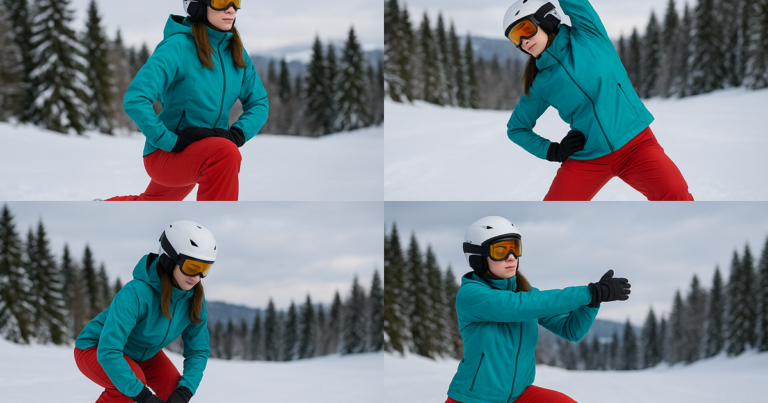






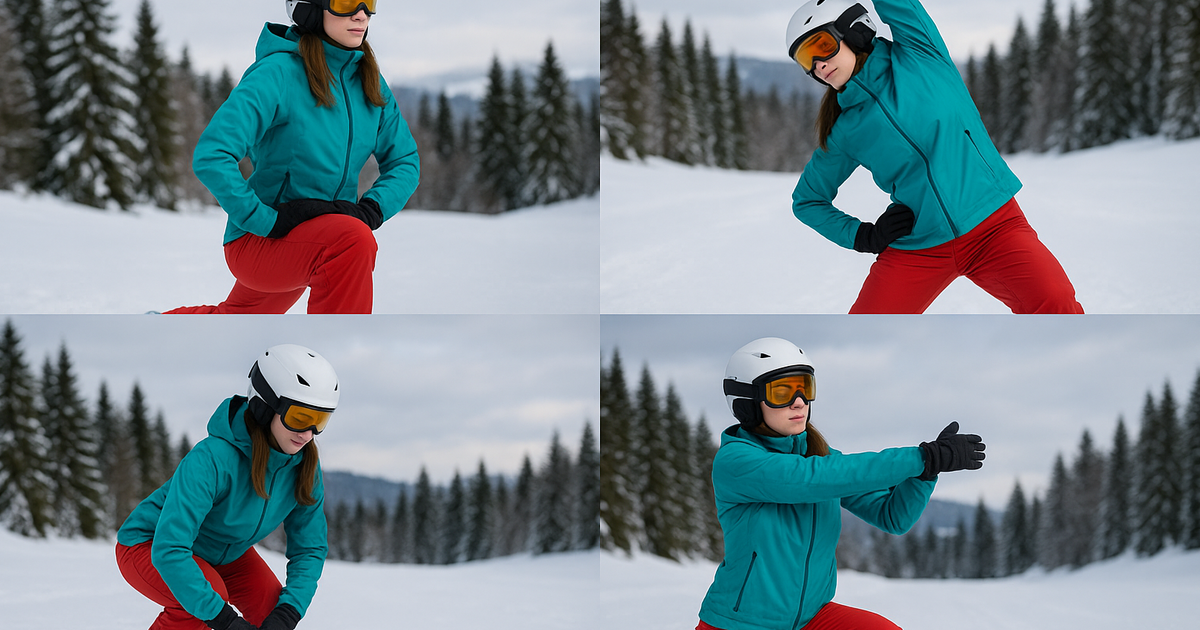

The snowy sport perfections of the 2026 Winter Olympics will live in the memory, but don’t be so seduced that you hit the slopes without getting fit first. The risk of injury is not to be under-estimated, advises trauma and orthopaedic specialist Dr Sven Putnis. An NHS surgeon his new business Sven Ski Clinic tackles prevention with targeted exercises and the emerging one of effective treatment pathways.
The where, when and how follow ups organised for back in the UK are major factors impacting recovery. “Initial management and advice can often be unreliable and delay the return to life,” Putnis warns.
An activity holiday in the snow combining demanding physical engagement and high-octane socialising is like no other. And the pool of punters is getting wider from newbies to rusty returners. “The average age for skiing and snowboarding is going up which brings with it the potential for more injuries,” says Putnis. “Ice and packed powder are danger zones. Evidence suggests that there is a lack of both physical and mental preparation for snow sports trips. Hence our all-aspects bespoke approach to injury treatment. Our clinic has access to both NHS and private pathways and we operate both as a logistics business and a quality control one.”
If you are injured, act fast is the clinic’s main message. Book a video consultation and the clinic will produce a letter for your healthcare provider including to any relevant centre such as a fracture clinic. A private surgeon providing an MRI scan can also be linked in. The fast track operation saves precious time ahead of a return home and puts in place a system once a patient does. A list of the European resorts covered by the clinic is listed on its website.
The injury prevention section (www.svenclinic.com/prevention) has been viewed many times. “Our be-prepared advice is getting through,” says Putnis who directs skiers and boarders to the clinic’s ice breaker warm up. A three-minute exercise session ahead of a morning first run or after lunch, “it can be set to music, done with boots on, alone or in a group”.
Knees remain the most vulnerable, with anterior cruciate ligament (ACL) ruptures the most common among 20 to 35-year old snowboarders and fractures the most frequent for skiers over 35.
“With ACL injuries urgent action is crucial to get the swelling down so the knee is the right condition for reconstruction. Avoiding delays can speed up recovery by over a month or more,” adds Putnis. After self-funding the website’s set up, a £40,000 turnover is forecast for season two. Partnerships with physios, mindset coaches, ski travel agents, resort promoters, hotels and travel insurers offer substantial opportunities. “Our services in future could also apply to mountain biking, extreme hiking and other places like Thailand,” adds Putnis.