






Pensioners have been warned about three common mistakes they might be making (Image: Getty)
Over 10 million adults in the UK consider themselves “too busy” to think about their pensions according to research. The findings from the Money and Pensions Service (MaPS) have now prompted a finance expert to warn the public about common pension mistakes they may be making, and, crucially, how to rectify them for a safer future.
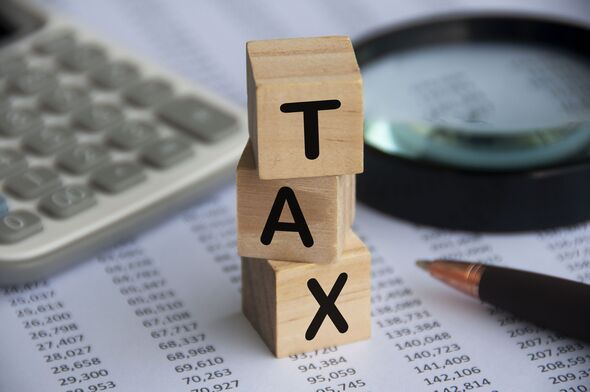
This is becoming an increasingly important topic due to future changes in taxation, which will include pensions in one’s estate. Being unaware of this, along with other factors, could cost thousands by retirement age, pensioners are being warned.
To help avoid this, Antonia Medlicott, managing director of financial education specialists Investing Insiders, has revealed three common pension mistakes everyone should be aware of – saying failure to put them in place could cost £40,000.
“Pensions are an important part of all of our futures, so it’s important that we are aware of the common mistakes that could lose us money,” Ms Medlicott said.
She added: “With some of these being as simple as not withdrawing your pension before a certain age, make sure to keep yourself informed about any future pension changes, as recent trends seems likely.’’
READ MORE: State pension £25,140 tax threshold campaign surges as Treasury responds
READ MORE: State pensioners told how to stay warm during snowstorms without using heating

Spend time researching the best-performing fund rather than just opting for the default fund, the expert suggests (Image: Getty)
Being in a poorly performing pension fund
Most pension providers offer multiple pension funds for investors to choose from. Individuals should spend time researching the best-performing funds rather than simply choosing the default option. While letting a provider choose a fund may be the easier option, research shows it is not always the most effective for performance.
Savers can discover where their pension is invested by reviewing annual paperwork from their provider or by logging into an online account. Once the pension has been located, its performance can be compared with that of other accounts. Changing funds can be simple, as many providers allow users to do it themselves via an online portal, though they can also be contacted for assistance.
It is estimated that over 10 years, the performance gap between the best and worst-performing funds is 5.5% per year. With the average pension contribution being around £2,100 a year in the UK, a member would be £115.50 better off annually in a higher-performing pension fund. Over a decade, this would amount to £1,155.

Withdrawing pension savings before the normal retirement age, or being 55, can result in severe tax penalties (Image: Getty)
Don’t withdraw pension savings early and check you’re not paying too much in fees
Withdrawing pension savings before the normal retirement age, or before reaching age 55 (57 from 2028), can result in severe tax penalties. Such a withdrawal is classified as an ‘unauthorised payment,’ which HMRC charges 55% tax on, though many pension providers do not permit early withdrawals except in cases of ill-health or a Protected Retirement Age.
However, upon retirement, savers receive benefits such as 25% of their pension pot being tax-free, with the remainder taxed at their marginal rate. For example, if an individual withdraws £30,000 from their pension pot early, they would pay £16,500 in tax. Waiting until at least age 55 would mean the tax bill is only £4,500 – a saving of £12,000.
It is also imperative for investors to check they are not paying too much in fees, as this could cost hundreds more. For instance, NEST’s 1.8% contribution charge can significantly impact savings.

From April 2027, pensions will be subject to inheritance tax (Image: Getty)
Forgetting about inheritance tax pension changes
From April 2027, pensions will become eligible to be included as part of a person’s estate and, therefore, be subject to inheritance tax (IHT), which is expected to pull more people into the IHT bracket than ever before. One way to minimise this risk is for individuals to take advantage of IHT gift rules, which are exempt and allow for annual gifts of up to £3,000. It is possible to gift larger amounts as well, though these may be subject to IHT if the donor passes away within seven years of making the gift.
This strategy reduces the overall amount of inheritance tax to be paid, as there is ultimately less money in the ‘estate’. This tax generally applies only to estates worth more than £325,000, and it does not apply when assets are passed on to a spouse or civil partner.
In the UK, the average amount left in a pension pot upon death is between £50,000 and £150,000. If a person dies with £100,000 of unused pension and a national average estate of £335,000, £30,000 of that pension would be subject to tax. It is beneficial to plan well to mitigate these effects, as the inclusion of pensions in IHT rules adds further complexity to tax law.