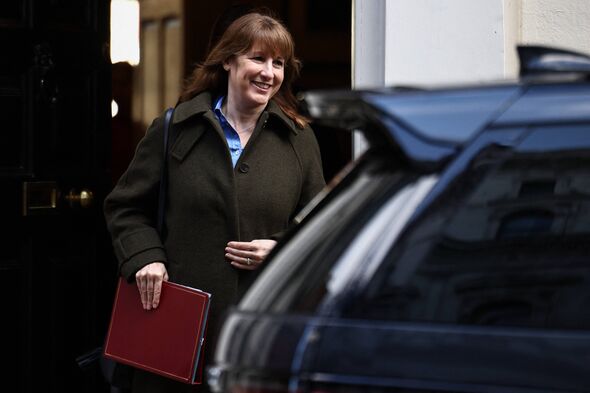








Inheritance tax (IHT) has long been one of Britain’s most controversial levies, affecting families at times of grief and sparking fierce political debate. Now, Chancellor Rachel Reeves is reportedly considering tightening the rules as she searches for ways to plug a multibillion-pound hole in the public finances ahead of this autumn’s Budget.
IHT is charged on the estate of someone who has died – including their money, property, and possessions – if the estate’s value exceeds the current threshold of £325,000. Anything above this is taxed at 40%, though reliefs and exemptions can lower the bill.
There are several key allowances:
-
Spouses and civil partners can pass on estates without paying IHT. If one partner’s estate is below the threshold, the unused portion can be added to the survivor’s allowance. Together, couples can shield up to £1 million from tax.
-
The residence nil-rate band (RNRB) lets people leave their main home to direct descendants, increasing their tax-free allowance by £175,000.
-
Gifting rules allow individuals to reduce the size of their taxable estate. The most common include:
-
Up to £3,000 a year (annual exemption), which can be split between recipients.
-
Small gifts of up to £250 to any number of people per year.
-
Wedding gifts, ranging from £1,000 for friends to £5,000 for children.
-
The seven-year rule, which allows larger gifts to become tax-free if the giver survives for at least seven years.
-
-
A lesser-known allowance, “normal expenditure out of income”, permits unlimited tax-free gifts provided they come from surplus income, are regular, and do not reduce the donor’s standard of living.
It is this final exemption that appears to be in Reeves’ sights. Treasury officials are reportedly reviewing whether to cap or restrict the “normal expenditure” rule, which currently lets wealthy households pass on unlimited sums without IHT.
Sean McCann, chartered financial planner at NFU Mutual, said: “Currently, if you make regular gifts there’s no restriction on how much you can give away immediately free from IHT, provided it is out of your income and doesn’t impact your normal standard of living. This provision is likely to be in the Chancellor’s sights in the forthcoming Budget.”
James Harrison of Path Financial warned that families often fail to keep proper records of such gifts, creating “a paperwork headache on their death” and making them vulnerable to HMRC scrutiny.
The political stakes are high. HMRC collected £2.2 billion in IHT receipts between April and June 2025, £100 million more than the same period last year. The tax has risen steadily since 2009, when the nil-rate threshold was frozen at £325,000 despite soaring house prices.
Inheritance tax remains deeply unpopular, with critics branding it a “double tax” on assets built from already-taxed income. Yet its yield has made it increasingly attractive to Chancellors facing tight budgets.
Nicholas Hyett of Wealth Club said: “Inheritance tax continues to be a meal ticket for HMRC. While wealth taxes will be in the spotlight in the run-up to the Autumn Budget, it wouldn’t be entirely surprising to see further tinkering with IHT too.”
Rachel Reeves has already committed to freezing IHT thresholds until 2030. But with U-turns on winter fuel payments and disability benefits closing off other savings, campaigners on the left are urging Labour to lean harder on wealth taxes.
Think tanks have floated radical proposals ranging from lifetime caps on family gifts to taxing inheritances and capital gains together, and even means-testing the state pension. Some commentators warn that such measures risk fuelling resentment among middle-class families.
John O’Connell of the TaxPayers’ Alliance said: “As if hammering family farms and clobbering small businesses wasn’t enough, Reeves now wants to launch a smash and grab on presents to children and grandchildren.”