






| Updated:
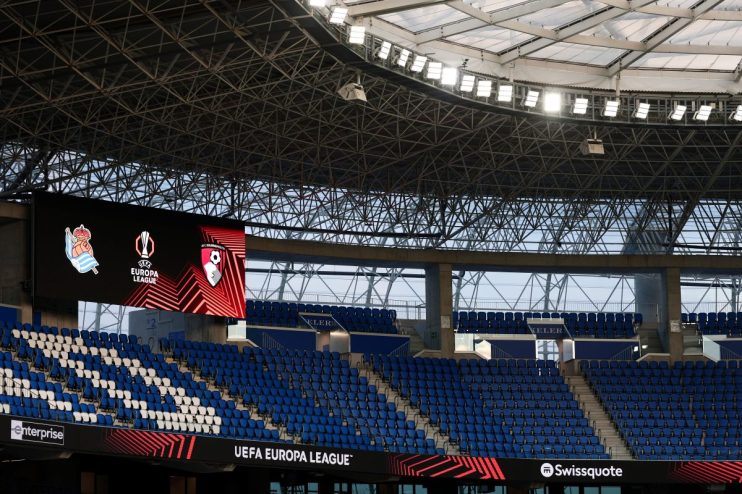
A record transfer window, club investments at ever increasing valuations and the same unpredictability of results on the football pitch. Was it ever thus? And will it ever change?
The memories sport creates are at the heart of what makes it so special. Taking a step back, next year will mark 30 years since I led our fans and town to rescue my local football club, AFC Bournemouth.
When no one else stepped forward, a town came together, baking cakes, collecting coins in buckets and holding sponsored walks simply to cobble together enough money to keep the lights on at the club. Eventually, the bank that had placed the club into administration lent me the money to buy the club, on behalf of the town, and we embarked on what became the most amazing adventure.
Without that commitment, the team would never have got to play their first ever European game last week at Real Sociedad, nor grace the Premier League for much of the last decade.
Bournemouth’s journey shows how starkly football and the business of sport has changed. Simply qualifying for the Europa League earns the club more money than it cost me to buy the whole enterprise, stadium and team back in 1997.
I don’t see it stopping. Live sport will never be replaced by technology or AI. As my dad took me when I was a kid, so fans continue to go. The attraction of live sports is in being there. It can’t be replicated. Witness how Netflix, having built up its platform, is using live sport to reinforce the customer base and strengthen the foundation for future growth.
It’s the experience economy that drives football to continue to adapt to ever strengthening demand for content and live experience. While match-going today might be far removed from the days when I could stand on a crumbling terrace, gripping on to the cold metal railings where the paint had long worn off, at heart it is the same: passion, emotion, intensity and memories driven by a love of my team.
Changes to the way the game is structured and run will also drive value. As the Independent Football Regulator in England continues to find its feet, the ongoing deliberations between the Premier and English Football League over redistribution of revenue in the game look likely to draw to a conclusion this year.
Unsurprisingly, the promise of a more even split comes with conditions attached. Coupled with the emphasis on limiting how much clubs can spend on football-related costs to a percentage of their football turnover, it continues to move football towards a more regulated and sound basis for business.
The search for ways to increase revenue will become ever more important. We will see a drive to enhance and improve stadia, more diverse and expansive opportunities to secure revenue through experiences, connection to the team and a true 365-day-a-year operation.
Changes guarenteed
It’s also highly likely that in England we will see games being broadcast throughout the whole of a Saturday afternoon, removing the sanctity of no games being shown from 3pm to 5.15pm, the fall of one of the last bastions of traditional football.
A recent Deutsche Bank report demonstrated how football has become a relatively stable and arguably attractive investment class. It’s no surprise that I will have looked at and worked on transactions involving at least 20 per cent of the English professional game this summer.
When the regulator produces its initial State of the Game report in the next few months, irrespective of its conclusions, the investment appetite is not going to diminish.
It’s all a far cry from our efforts to save AFC Bournemouth. Meeting under fluorescent lights in a donated office for five hours every night alongside doing our day jobs, it was way beyond our wildest dreams that we might do anything other than buy time to survive.
Yet we did, played at Wembley for the first and only time in history that coming season, and created a story for the ages.
Some say it’s a fairytale or a Hollywood script; a story worth telling most definitely. My feelings for Bournemouth were no different watching the team come out in northern Spain last week –29 years on, that sense of wonder, narrative and emotion is as strong as ever.
That impact is what will continue to drive valuations in football – irrespective of AI, politics or whatever else is happening in the world – and the memories past, present and future that will endure.








+ There are no comments
Add yours