







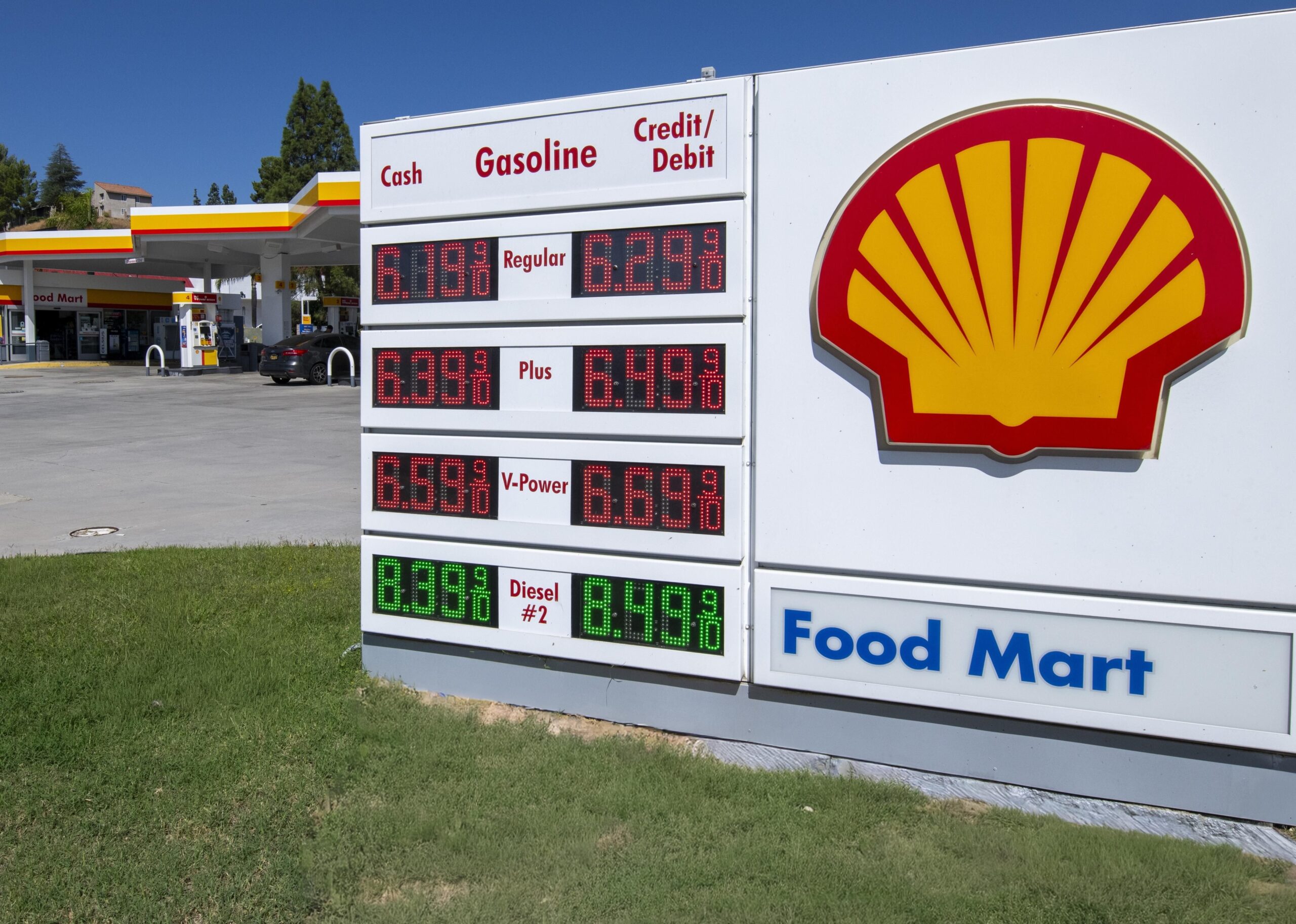
With diesel prices hitting all-time highs above $6.50 a gallon, there is a growing demand from farm states that the White House ban diesel exports from the United States.Treasury Secretary Scott Bessent said today that the administration is considering whether such a step would be feasible. Sen. Chuck Grassley, R-Iowa, has endorsed the idea.
The persistent jump in diesel prices comes despite oil prices dropping to $90 per barrel from their highs above $105 per barrel last week amid signs of more oil transits through the Strait of Hormuz and hopes of renewed diplomacy in the region. But global diesel prices are being driven not just by conflicts in the Gulf but also by refinery attacks in the Russia-Ukraine war. And U.S. diesel prices are determined by global markets, not just national ones, which is one reason behind the calls for an export ban. U.S. diesel exports hit 1.9 million barrels daily last month, and the idea is a ban would force American refineries to make that fuel available to domestic consumers instead.
However, the idea also has its detractors, including within the administration. Energy secretary Doug Burgum said last week that an export ban could lead to other countries retaliating with their own export bans, which could hurt states like California, which depend on diesel imports after local refinery closures.
Meanwhile, energy industry experts like Institute for Energy Research President Tom Pyle, have pointed out that an export ban would be more likely to cause refineries on the Gulf Coast (where much of U.S. refining capacity is located) to pare back their activity than to redirect that diesel fuel within the United States, thus reducing the aggregate supply of all fuels including gasoline.
Others like “Gas Buddy Guy” (a widely followed industry commentator on X) point out that an export ban motivated by domestic politics is not only unlikely to result in more available diesel in the U.S, but could also hit the credibility of the U.S. as a backstop diesel supplier to other countries, hurting the industry over the long term.
Thus diesel prices look like yet another set of issues where the old adage might apply – it’s a lot easier to get the toothpaste out of the tube than to put it back in.
From Your Site Articles
Related Articles Around the Web











+ There are no comments
Add yours