







| Updated:
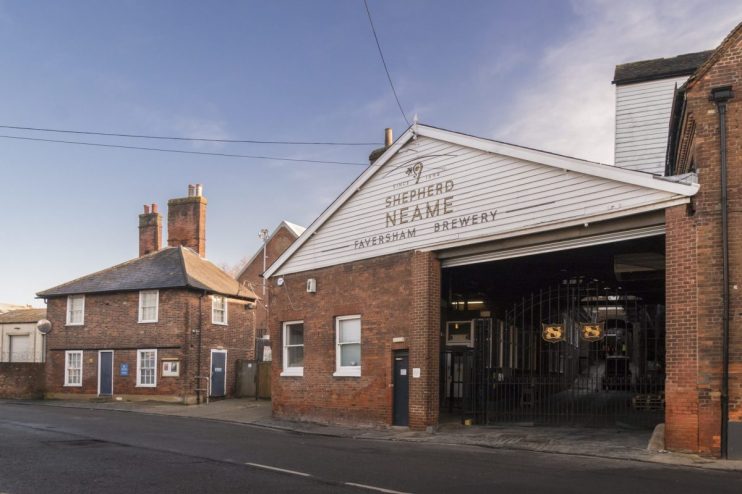
Britain’s oldest brewery is to sell off land and move to a new site, in a £15m investment plan that seeks to safeguard the future of its operations.
Shepherd Neame, which is based in Faversham, Kent where it has been brewing ale since the 17th century, intends to put much of its existing footprint in the town up for sale in a bid to self-fund a new high-tech, scaled-down brewing facility.
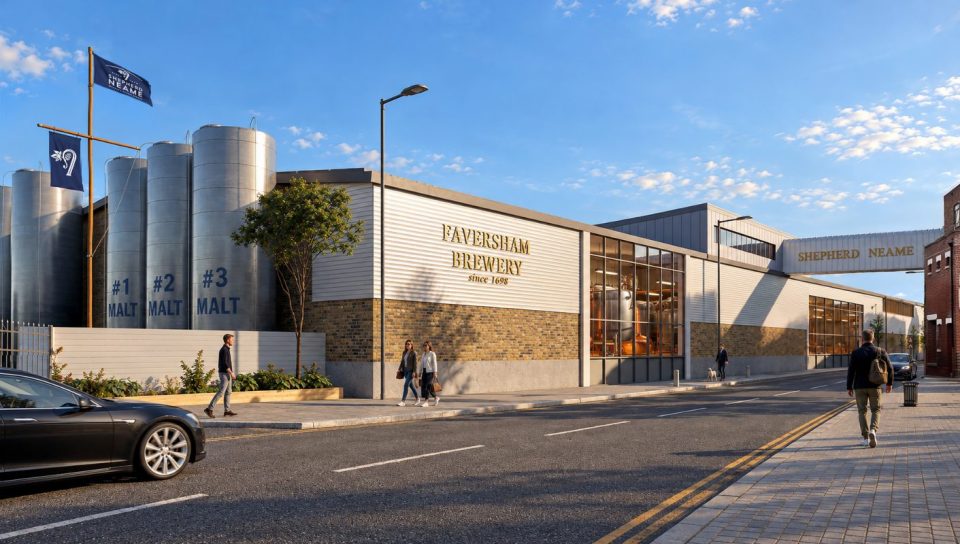
The maker of Master Brew, Bishop’s Finger and Spitfire said the new brewery would be built on the site of its existing bottling hall and would open in 2029. The existing brewery will continue to operate until the new one comes online.
The plan ends a period of uncertainty for the Aquis-listed company’s beer-making operations after it warned last month it was weighing up its future in brewing amid surging costs and soft demand.
Jonathan Neame, chairman of Shepherd Neame, told City AM there were “three specific issues that ourselves, but frankly everybody else in the drinks industry is facing: declining volumes, rising costs…and in our case also we highlighted the need to modernize our plant.
“Our brewery’s been in the same location for a long time and it’s been very successful for many, many years. We looked at multiple different models to be able to modernize our brewery, from the obvious which is to continue to invest and maintain the current plant or to look at a sort of new model.
“And we concluded that a new model was the best idea.”
Shepherd Neame shelves contract brewing
As part of the move, Shepherd Neame said it will give up contract brewing for third parties to focus exclusively on its own beer range. That will include cutting ties with Thai brand Singha when its exclusive £10m UK contract expires next year.
The company, which operates over 250 pubs across England including The Jamaica Wine House on Cornhill and Old Doctor Butler’s Head in Moorgate, said it will also outsource more of its current in-house operations, including packaging.
Neame said the new brewing facility will be about a third of the size of the existing one, but that it will be more “scalable” because it will be able to run 24 hours a day “if necessary”.
“The old world of big big brands, big breweries, big volume, limited choice will change for us so that we’ve got a series of more flexible plant, we can do smaller batch runs, we can innovate more easily,” Neame said.
Pint price rises
The decision to move to a smaller brewery comes after the Chancellor said alcohol duty, which is charged on every pint sold, will rise in line with inflation, pushing up the duty on a pint from 50p to 52p.
The hike to beer duty, announced at the Budget, was described as a “breath-taking” blow to the hospitality industry, which was cheered by the Treasury’s commitment to cut their business rates but had been hoping for more support at the Budget.
Healey sought to soften this blow by handing a £10m boost to alcohol duty relief, which will benefit more than 2,000 British beer brewers and cider makers.
“Fundamentally, pubs and brewers are seeing their cost base driven above the rate of inflation by regulatory and tax initiatives, and that is not sustainable for any business, whether it’s in beer and pubs, or whether it’s in retail, or anything else,” Neame said.
“There’s nothing there that I can see that’s going to encourage the private sector to stimulate growth.”








+ There are no comments
Add yours