






| Updated:
Is the smaller scale Commonwealth Games a chance for smaller brands to step up and take a bite out of the multi-sport flagship event action, asks sponsorship expert Sarah Niblock. A reduced price tag might look like they can, but more importantly, it’s essential that they consider if they actually should.
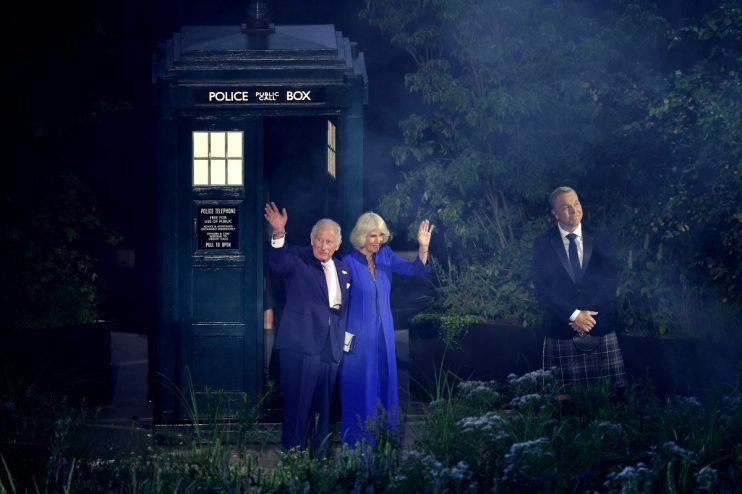
The 23rd Commonwealth Games is up and running in Glasgow, again, this week. The King appeared from the Tardis and a giant spaceship-like teacake descended from the roof of The Hydro (more on that later) in the opening ceremony, so it’s now all systems go
The games were last in the city in 2014 as a fully fledged multi-sport international extravaganza. It still is, it’s just that this time around, it’s ever so slightly slimmed down. A ‘Commy G Lite’, if you will.
For those not quite up to speed with the story so far, the games were scheduled to take place in the state of Victoria in Australia, which pulled out due to increasing costs that had almost trebled from initial forecasts to around £3bn. However, even to cancel their hosting duties, Victoria had to shell out a hefty £300m cancellation fee (plus an estimated £200m already spent before the decision to can it).
Step forward Glasgow. Previous Games host in 2014, infrastructure (mostly) already in place and a city well versed in hosting major events. However, with no central government funding from either Holyrood or Westminster, and less than two years to pull everything together, it took a reduced budget, now known as ‘The Glasgow Model’, and a hell of a lot of confidence to take it all on.
And it might just have saved not only this year’s event, but the Commonwealth Games full stop.
What are potential Commonwealth Games partners thinking?
The Glasgow Model has seen around £100m come in from the Commonwealth Games Federation, leaving organisers to come up with a further c.£50m through commercial ventures, be that ticket sales, broadcast rights or partnerships.
Reducing the number of sports (down to 10 from 20 – with an integrated para programme for five of those 10) with some biggies being dropped including rugby sevens, hockey, badminton, triathlon and any non-track cycling (so no road races or mountain biking), potentially lessens the appeal to partners.
Reduced number of venues (they’re going with four key hubs), so fewer places for brands to be seen, potentially lessens the appeal to partners.
Broadcast rights – sold in the UK to TNT Sports with streaming on HBO Max and terrestrially, highlights on Channel 5 and BBC Alba – excellent for the organisers’ coffers and bravo to the media partnerships team. But being behind a subscription wall is not so excellent for general public visibility, and so, yes, you guessed it, potentially lessens the appeal to partners.
Some of the household names are still there – Bupa, EDF, Coca Cola, Longines but alongside them in the principal partners catagory is the aforementioned streamer HBO Max and Ideagen – the first ’Official AI Technology Principal Partner’. If you’re a Nottingham Forest or Nottingham rugby club fan, you may already know them from their jersey presence, but otherwise, this is a big step up sponsorship-wise for the tech company who focus on safety, compliance and quality in industries covering aviation, life sciences, energy and more.
So what has the approach been?
This alone is a great example of something I always believe is absolutely crucial for any sponsorship – reciprocal relevance.
This year’s games, especially for companies like Ideagen, isn’t really about displaying your brand in front of hundreds of thousands of spectators in venues and at home on screens, it’s about showcasing your area of expertise and highlighting what you do best by putting it in an accessible context that people can actually see working.
And while some of the brands might not be front of mind if you were asked to name some likely contenders, it’s far from a shoddy roster: Trespass clothing, BYD cars, Jubel beer and more including Indian food and dairy brand Amul (the 2030 games are to be held in India).
And they’re all there for practical supplier reasons – none if it is a ‘nice to do’ – and that’s precisely what every partnership should have at its heart – that reciprocal relevance.
From a partners’ point of view, the reduction of overall budgets, sports, infrastructure (there’s no athletes village this year) also comes with a reduced price tag, but that’s only the first step of what it costs when you take on any major partnership.
Traditionally, most business big enough to afford to take on a partnership of this size will most likely have a fully fledged team of experts in house, or trusted agencies, to tell them if this is a sensible move for them, but a lot of smaller businesses won’t, so here lies a tantalising opportunity to tempt them into official partner or supplier status of an event with historic kudos.
It is crucial that the sponsorship can deliver on priorities for the partners’ business and for so many companies now, that does not mean a branding exercise. Gone are the days of having your brand seen around the edges of the track being enough to deliver an ROI comparable with your initial outlay.
It might be that companies want the moniker of official supplier to get their products seen, used and tested by key demographics. Or it might be a cause-driven social responsibility move – if the Games’ values match with theirs, that could be an easy proof in the pudding for them.
It might be a geographical driver, be that in the locale of the Games themselves, or in the broadcast territories of the participant countries (see Amul mentioned above).
Whatever it might be, if it makes sense to do it, the rights fees are just the start of it. For a small to medium business with a tight marketing budget, it will need some canny planning on the activation to make the most of the rights they have. Experiential for an FMCG brand, customer offers for a services brand, or content and strong comms for a B2B brand – they all cost. And if you don’t do them, there’s not much point in shelling out a fee for the right to do them in the first place.
After the Commonwealth Games pomp
A great example of a company that would probably not have been able to partner previously but the scaled down model has allowed them to, is Team Scotland partner Tens Sunglasses. As well as getting their product seen, used and endorsed by top level athletes, they’re offering supporter discounts. That whole deal would undoubtedly cost less than paying for a traditional advertising campaign and will have so much more resonance with their potential purchasers.
So the pomp of the opening ceremony is now done and dusted and for those of us who watched it, I think it’s safe to say that we’ve had our fill of interpretive dance but they can bring back KT Tunstall at any point and all will be forgiven. All but one thing…
The kick in the teeth to any partners who have shelled out a rights fee is the continued presence (it happened in the 2014 opening ceremony too) of pesky red and silver foil-covered teacakes.
I’d love to know what someone at that (albeit delicious) biscuit manufacturer has over someone on the organising committee as they repeatedly appear in social content (they’re given to athletes upon arrival in Scotland for an immediate taste test), and there’s even a wee old lady unwrapping one in the VT introducing the opening ceremony.
In 2014 they were dancing (reminiscent of Scout in her ham costume in To Kill a Mocking Bird) and this year a gigantic one appeared from the roof, sparks flying from it (which would have melted the chocolate, surely?), in the finale of the opening ceremony.
That brand is neither a sponsor nor supplier to the Commonwealth Games, so why are they repeatedly given such extraordinary visual presence? It’s like guerilla ambush marketing by the actual rights holder! An extraordinary move.
Teacakes aside, fair play to Glasgow 2026 for pulling it off, both in terms of rescuing the games, preparing the city and from a brand and sponsorship nerd like me, bringing in as many partners as they have. Bravo. Let the games begin.
Sarah Niblock is a sponsorship and communications professional specialising in sport and entertainment. She was part of the sponsorship team behind SSE plc’s Tier One Partner of the Glasgow 2014 Commonwealth Games and more recently brought The British & Irish Lions partnership into the global insurance group Howden.



+ There are no comments
Add yours