



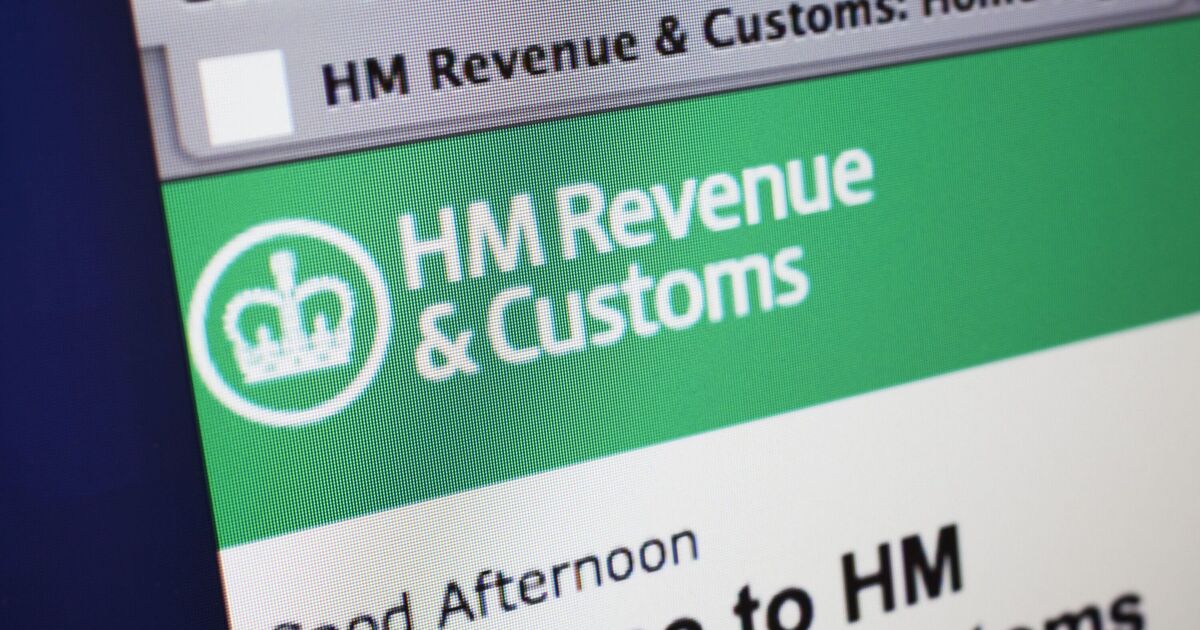
HM Revenues and Customs (HMRC) has issued a new alert, confirming tax rules for pensioners. The government department took to X, formerly Twitter, to confirm how savings and investments are taxed when Brits retire. The guidance comes as many retirees look for ways to make the most of their pension income while navigating complex tax rules on savings, investments and additional sources of income.
The Q&A video was posted with the caption: “Tax confusion shouldn’t get in the way of enjoying your retirement.” Answering questions like “Do savings and investments affect how much I pay in retirement?”, the clip breaks down several tax related queries.
HMRC’s video starts by explaining how savings and investments affect how much Brits pay during retirement.
They said: “All of your income is added together. Your pension, savings interest and any investment income.”
The department went on to explain that if the total goes over your tax-free Personal Allowance of £12,570, Brits will pay tax on the amount above that.
The government department also answered the question of whether any income from savings or investments is tax-free.
They explained that most people have a Personal Savings Allowance and how much tax-free interest we receive depends on our individual earnings.
HMRC directs Brits to the government website for more information regarding tax.
Here they break down exactly how much you’ll have for your Personal Savings Allowance, depending on income.
For those with an income between £12,571 and £50,270, Income Tax should be paid at the basic rate of 20%. This means your Personal Savings Allowance is £1,000 a year.
Those with an income between £50,271 and £125,140 will pay Income Tax at the higher rate of 40% with a Personal Savings Allowance of £500 a year.
Anyone with an income of over £125,140 will not receive a Personal Savings Allowance.
The website also explained what happens to income earned from investments.
HMRC said: “You might own shares or investments that pay out something called a dividend. This is when a company makes a profit and then pays out a share of it to you.”
Most receive a dividend allowance meaning Brits can earn £500 a year in dividends, tax-free. However, any dividends over £500 will go towards your yearly income, potentially pushing your income above your tax-free Personal Allowance.
All information regarding tax in retirement, savings and investments can be found here.