






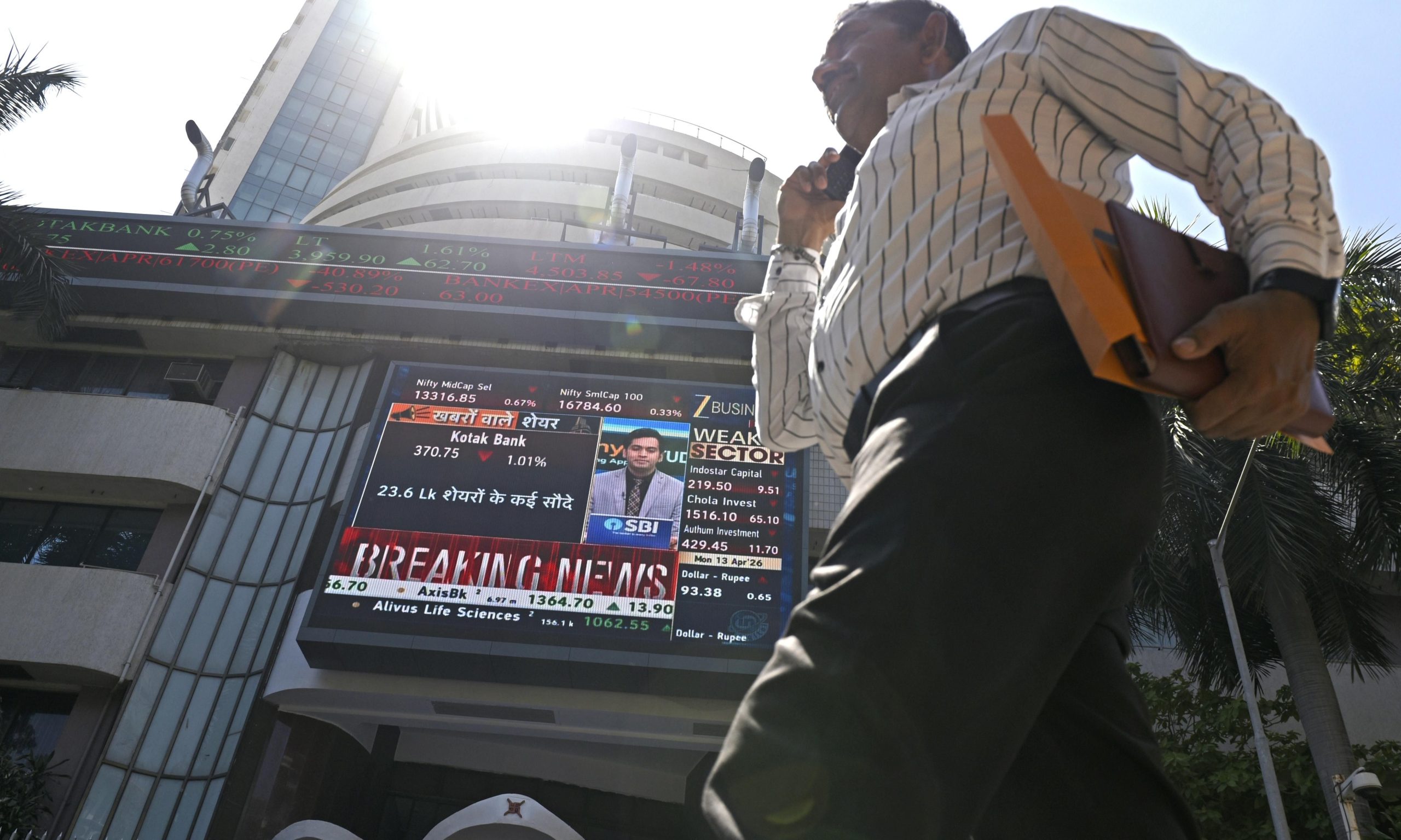
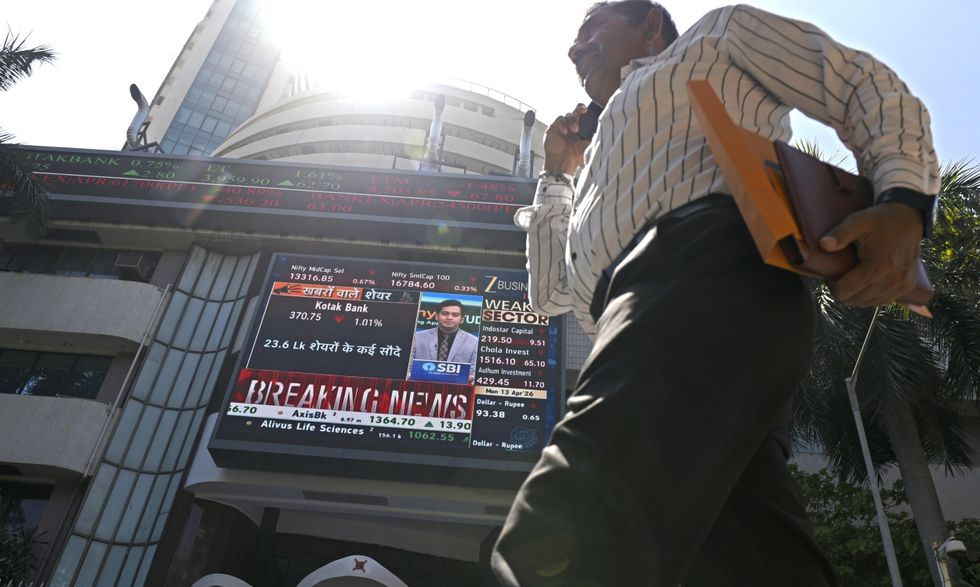
Since the United States and Israel attacked Iran on February 28, the number of articles proclaiming the death of the petrodollar increased nearly as quickly as the price of oil. As a representative headline in the Japan Times declared, the Iran war “just broke the petrodollar.”
These headlines only tell part of the story. There is little doubt that the war has done major damage to the petrodollar by driving up oil prices and U.S. bond yields, among other variables. But this has only accelerated an existing trend in global markets: the growing shift toward a multipolar financial system.
This is not to undersell the war’s impact. Dismal financial headlines have no doubt affected investor sentiment and confidence in the commodities and financial markets. For example, on May 15 the price of Brent crude closed at $109.26 per barrel, an increase of 51% since February 28.
Likewise, the U.S. bond market has experienced one of its most severe selloffs in years, sending long-term Treasury yields soaring. According to World Affairs in Context, a popular economics blog, the yield on the 10-year Treasury climbed towards 4.6% as the 30-year Treasury briefly surpassed the 5% benchmark: “These levels have not consistently been seen since before the 2008 global financial crisis. Because bond prices move inversely to yields, the rise reflected aggressive selling pressure on U.S. government debt.”
Since the Iran war began, foreign central banks have been net sellers of Treasury bonds. As an example, holdings at the Federal Reserve Bank of New York decreased to $2.7 trillion marking the lowest level witnessed in fourteen years.
While markets can attribute a portion of these fluctuations to events surrounding the Iran war, longer-term geopolitical and geoeconomic pressures for de-dollarization existed long before the conflict. Reverberations continue to emanate from the increased pace of economic multipolarity following the start of the war in Ukraine.
As a result of aggressive U.S sanctions over the last decade, a growing number of countries — including Brazil, Russia, India, China and South Africa, which make up the original members of the BRICS bloc — have sought to move away from the dollar and dollar-denominated assets. According to an article in Medium, since 2023, global central banks have sold over $1.2 trillion in U.S. Treasury bonds as a result of both geopolitical risk and poor yield returns.
Simultaneously, gold has made a historic comeback. Central banks have consistently been net purchasers of gold since 2011, buying over 1,000 tons per year from 2022 through 2024, according to the World Gold Council. The primary driver is diversification away from dollar-denominated assets, particularly after Russian dollar-denominated assets were frozen abroad. In contrast, gold cannot be sanctioned and has historically experienced price increases during times of global instability.
Furthermore, since Russia’s full-scale invasion of Ukraine, BRICS countries have sought to insulate themselves from the dollar through transactions in their own currencies and the creation of alternative financial structures.
Indian refiners, for example, are settling transactions for crude from Russia in either Chinese yuan or United Arab Emirates dirhams in order to avoid using U.S. dollars. Additionally, nearly 90% of bilateral trade transactions between Russia and China are now settled in yuan or rubles.
In 2024, more than 95% of trade between Russia and Iran was conducted in rubles and rials. Amid the war, Iran has begun charging yuan-denominated transit tolls on tankers crossing the Strait of Hormuz, turning that chokepoint into a live de-dollarization test.
BRICS+ unveiled BRICS Pay at the Kazan Summit in 2024, marking a significant addition to the growing global number of de-dollarization initiatives. Beyond increased efforts within the BRICS+ organization, individual BRICS countries have also spearheaded the development of alternative clearance and settlement structures.
China’s Cross-Border Interbank Payment System (CIPS) has developed tremendously. As of mid-2025, it now settles approximately 30% of China’s cross-border trade settlements. Unlike the Society for Worldwide Interbank Financial Telecommunication (SWIFT), the main messaging network through which most international payments are initiated, CIPS is not simply a network for initiating messaging through the system, but also has the capacity to provide settlement, which offers Beijing greater management of payment flows.
Russia’s SPFS (System for Transfer of Financial Messages) has now become a practical option to SWIFT at both the domestic and regional level with integration into payment systems in India and Iran. In 2024, the Eurasian Economic Union (EAEU), which consists of Armenia, Belarus, Kazakhstan, Kyrgyzstan and Russia, formally approved SPFS as a viable option for intraregional trade within the bloc.
The mBridge network, a central bank digital currency platform, allows central banks and commercial banks to conduct and settle international payments independently of more established platforms like SWIFT. Although the Bank for International Settlements (BIS) withdrew from the mBridge project in late 2024, mBridge has processed roughly $55 billion in payments, with 95% of transactions denominated in digital yuan.
The BIS is an international financial institution owned by the central banks of its member countries. According to its website, “its mission is to support central banks’ pursuit of monetary and financial stability through international cooperation, and to act as a bank for central banks.” Upon its withdrawal, BIS transferred management and maintenance of mBridge to its participating central banks, which include China, Hong Kong, Thailand, the United Arab Emirates and Saudi Arabia.
As a result of these transactional and structural changes, the dollar’s share of global foreign exchange reserves has declined from 71% in 1999 to approximately 57% today. However, the decline has been gradual.
According to a J.P. Morgan report, “the U.S.’s share in global exports and output has declined over the past three decades, while China’s has increased substantially.” Nonetheless, the report emphasizes the transactional dominance of the dollar is still evident in foreign exchange volumes, trade invoicing, cross-border liabilities denomination and foreign currency debt issuance.
Accordingly, the dollar still represents 54% of foreign exchange reserves, 50.2% of global payments and 90% of foreign exchange transactions. Therefore, any decline would remain long-term in nature because the United States’ financial system provides depth and liquidity no other currency can currently match.
For example, there is little sign of U.S. dollar decline in trade invoicing. J.P. Morgan’s report notes that “the share of the U.S. dollar has held steady over the past two decades at around 40–50%. In contrast, while the share of the yuan is increasing in China’s cross-border transactions… it is still low from a global standpoint.”
The dollar has also stoutly maintained its superiority when it comes to cross-border liabilities, where its market share stands at 48%. Types of cross-border liabilities include international bank deposits, foreign-held bonds, loans and foreign direct investment obligations.
Also, the United States maintains dominance in foreign currency debt issuance where it has retained a 70% share since approximately 2008. The Euro is the second most important player in the foreign currency debt issuance market and maintains a 20% share. Thus, it is more widely used than the renminbi for foreign debt issuance. So, while the renminbi can substitute for dollars in denominating trade, it cannot substitute for the dollar as a full-scale currency in capital markets, where the U.S. offers a wide variety of assets denominated in dollars.
As for the Gulf Cooperation Council (GCC) countries, an important mitigating factor is that the bulk of GCC assets are in U.S. dollar securities. GCC states also maintain currencies that are pegged to the dollar, and they (especially the Saudis) have been issuing debt in dollars.
What we are witnessing is not the end of the petrodollar but a diversification of the financial landscape that underlies a broader economic shift, itself sparked by the ongoing geopolitical pivot to a multipolar world order.
The U.S. has a choice between managing this shift or accelerating it. A move toward greater economic and military restraint could slow the trend away from the dollar, while a policy of doubling down on aggressive sanctions and conflicts could exacerbate mistrust and further enhance the incentive for countries to seek alternatives to the dollar.
From Your Site Articles
Related Articles Around the Web







+ There are no comments
Add yours