







| Updated:
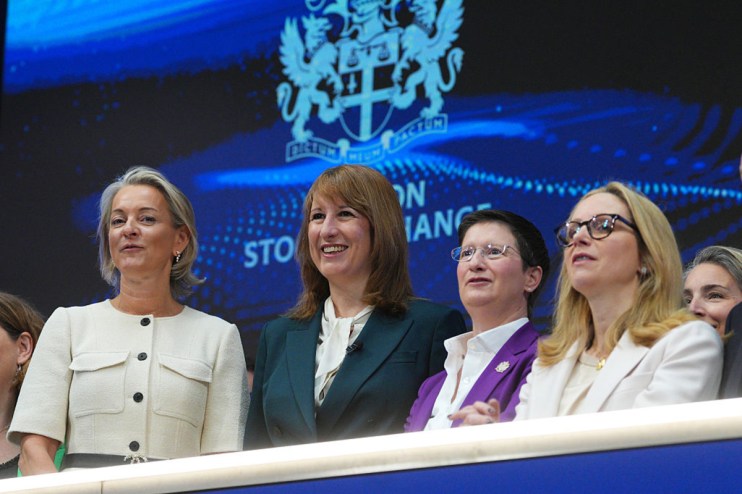
The boss of the London Stock Exchange has called on pension providers to be clearer about the make-up of their vast portfolios, arguing that greater transparency would encourage them to back more homegrown companies.
Dame Julia Hoggett told City AM it should be easier for savers to determine where their retirement nest eggs are invested, and that clearer reporting would help speed up funds’ commitment to devote more capital to UK equities and private assets.
“We need more transparency for pensioners and for those investing in the UK as to where their money is actually invested,” she said in an interview. “Arguably I think one of the most valuable things for the UK would be for that transparency to be there sooner and more visible. I think it would lead to an ability to measure the tangible change that these initiatives have fostered.”
The intervention adds to the growing pressure on Britain’s savings sector to accelerate plans to allocate more of their enormous portfolios to the domestic economy. In 2025, 17 pension providers committed to investing at least five per cent of their funds in UK private assets and infrastructure in a landmark agreement dubbed the Mansion House Accord. As part of a parallel industry shake-up, annuity giants will also be made to disclose their costs and performance more clearly.
Pension funds under pressure to back British firms
But the industry has come under heightened scrutiny for failing to make clear the breakdown of markets and asset classes in which its funds have chosen to invest, even as ministers compel them to plough more money in the country’s flagging capital markets.
Despite boasting the world’s second-largest pension pot, just four per cent of schemes’ capital is held in UK assets, one of the lowest proportions in the developed world. And over the past 20 years, allocation to London-listed equities has fallen from over 50 per cent of the average pension fund to roughly 4.4 per cent.
The pensions sector has so far resisted calls for them to be legally obliged to ringfence more cash for domestic investment avenues, warning mandation risked jeopardising their fiduciary duty to operate in their customers’ best interest. The industry has also argued it will take time for funds to build out private market specialisms and that Britain does not necessarily have enough attractive assets to invest in.
But Hoggett told City AM that by offering pension funds – and Isa savers – tax incentives without expecting a proportion of that subsidy to be invested in the UK economy in return, the UK was making itself an international outlier.
“Where the UK is forgoing tax revenue, and not asking for any of that money to be invested in the UK in return, I think that’s a genuine public debate,” she said. “You know, most countries would not do that.”
The London Stock Exchange boss was speaking amid growing concern over the health of London’s capital market ecosystem. Fast-growing private companies and infrastructure projects have found it increasingly difficult to raise large sums of money from home-grown investors, forcing many to turn overseas for investment. Meanwhile London’s stock market has shed dozens more companies in the first half of this year, with the majority plucked off the bourse by foreign rivals and international buyout firms.
The Association of British Insurers was approached for comment.











+ There are no comments
Add yours