






| Updated:
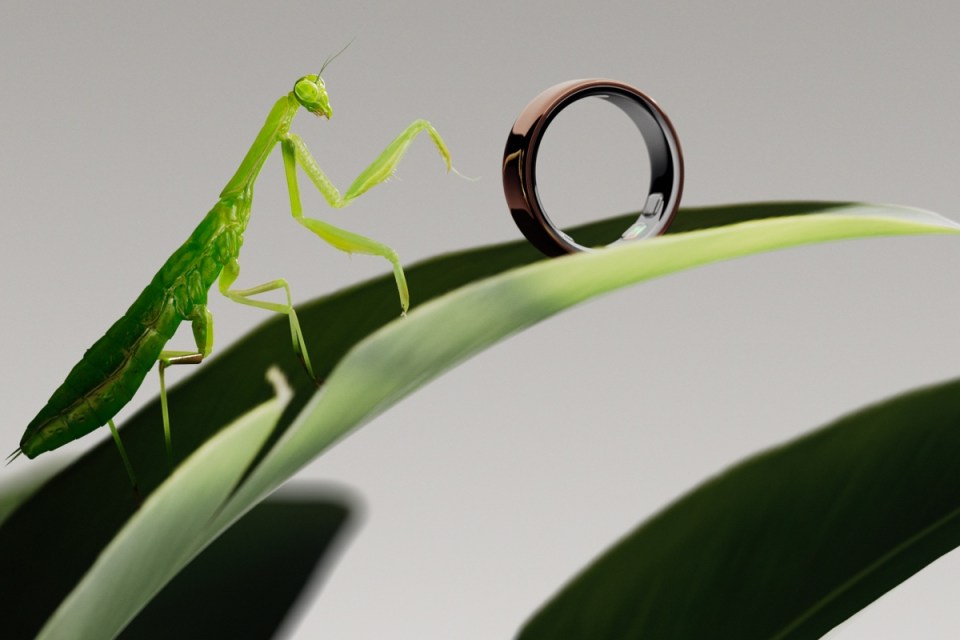
This summer has seen the release of two hotly anticipated pieces of health tech, each aimed at polar opposite ends of the market. I wore the Oura Ring 5 and Google Fitbit Air for two weeks to see how these wearables compared to my Apple Watch Series 7.
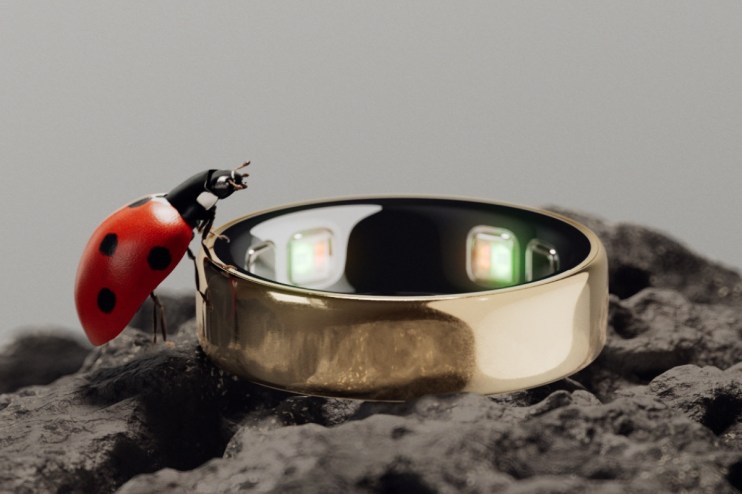
The Oura Ring 5: A sleek but powerful health tracker for the discerning athlete
The Oura Ring 5 is probably the most beautiful wearable I’ve ever seen. It comes in six colours and is thinner than ever; a whole 21 per cent thinner, in fact, than the previous model. But £500 is a lot to spend on a ring, so does the tech inside match the aesthetics?
The first thing that stands out is the vastly improved battery life compared to previous models. Oura claims the 5 can last for six to nine days, which I found to be roughly accurate. It’s also more accurate when measuring heart rates which I found to be close to the readings of the Apple Watch, which benefits from its larger size and sensors.
The accompanying app goes into the customary amount of detail you expect for such a high-end device. You can now track activities in real time as well as cognitive function: it’ll even give you GLP-1 insights, should you be using the weight-loss jabs.
This is a premium device aimed at the athletes and those keen to see detailed insights on their sleep, fitness and stress levels. For those who want a seriously in-depth picture of their health, the price-tag may well be worth it.
• For more info visit the website here

The Google Fitbit Air: Its beauty is in its simplicity
The Google Fit Air may look like a Whoop from a distance, but it actually occupies a completely different space on the market from the likes of Oura and other expensive brands.
It doesn’t come with an expensive monthly subscription, nor with a hefty price-tag. For a one-off fee of £85 you get a wrist strap perfect for any casual gym-goer or frugal athlete.
The Fitbit Air doesn’t boast Oura’s granular data dashboard, instead prioritising the core metrics needed to track fitness: steps, active minutes, heart rate, sleep stages, sleep score, and readiness/HRV metrics.
The app displays this data with easy to read graphics, including large colourful graphs to illustrate calories burned. Too much data can be intimidating, especially for someone starting their fitness journey, and the Google Health app is a welcoming place for those who just want to accurately track their workouts.
• For more info visit the website here
Which is best?
During my testing, Oura ring has one clear advantage over the Fitbit and Apple Watch: it is more comfortable to keep on while asleep. If your main objective is to better measure the quality of your rest and gain insights into when your ideal bedtime should be, the Oura ring is the clear favourite.
It’s unobtrusive and unnoticeable while asleep and produces useful data (with notifications about your bed time approaching, if you want an app to do that).
The deep-dives it provides into your various health metrics beats those of the Apple Watch and is the ideal wearable for anyone who’s serious about measuring their fitness.
However, if you’re looking for an affordable health tracker that’s as modest and discreet-looking as it is easy-to-use, then the Fitbit Air might just be the thing.











+ There are no comments
Add yours