







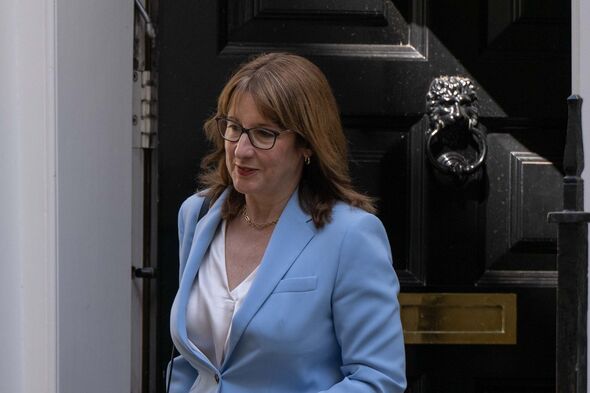

Rachel Reeves’ economy could see over 160,000 jobs lost (Image: Getty)
Britain is expected to lose 163,000 jobs this year, with lower-income regions set to be hit hardest, according to a report. The Item Club, an economic forecasting group, has shared its latest outlook, warning that UK employment will decline by 0.4% this year, equivalent to 163,000 net job losses.
While Rachel Reeves’ economy saw a 0.5% growth in early 2026 and falling public borrowing, critics point to rising tax burdens, stagnant sectors, and a high “tax wedge” that has hit employment costs. The tax wedge is the difference between the total cost to an employer of hiring a worker and what that worker takes home in net pay. In Britain, this wedge increased by 2.45% last year, according to the OECD. It said that British taxes on workers are now growing at the fastest rate among its 38 members.
It comes after changes made in the Chancellor’s Autumn Budgets, which saw the rate of National Insurance contributions (NICs) paid by employers increase, and income tax thresholds frozen until 2030.

Cost of living increases are being blamed for job losses (Image: Getty)
According to the Item Club, job losses will be driven by a pullback in consumer spending, the soaring cost of fuel, energy, materials and ingredients, as well as disruption to shipping.
The Bank of England warned late last month that the UK unemployment rate could hit 5.6% this year, up from 5.2% currently, in its gloomier scenario. The Item Club said that as households rein in discretionary spending in the face of a surge in the cost of living, the retail and hospitality sector will suffer the biggest slowdown across Britain’s major cities.
The independent forecasting group predicts that employment in London will drop by 25,000 this year as its retail and hospitality sector slows, with a 12,500 reduction in Birmingham, a 9,800 drop in Leeds and a 6,200 decline in Glasgow.
The Item Club also warned that two of the UK’s lowest income regions – South Wales and the Humber – will suffer the most painful jobs market woes in the next year or so because of sharp energy price rises.
They are heavily reliant on manufacturing and construction industries, which Item Club cautions will shed jobs in response to higher costs and supply disruption from the Middle East conflict. The report predicts jobs will drop by 5,700 in South Wales and by 2,800 in the Humber over 2026.
Tim Lyne, economic adviser to the Item Club, said: “Across the UK, the jobs market is going to soften, but it’s looking especially fragile in South Wales and the Humber as they’re particularly exposed to manufacturing businesses that are seeing big increases in their costs of materials.
“Resilience will come in places like Cambridge, where the tech sector is based.”
The report said that while publicly funded sectors – such as education, public administration and human health and social work – are expected to create more jobs over the year, this will not be enough to offset wider losses.
It also warns of a widening gap in living standards across the UK. Low-income areas will see households suffer the steepest hikes in the cost of living, as more of their spending goes on essentials, such as food, fuel and energy bills, which are set to see big price rises.
Households in cities such as Newcastle, Belfast and Birmingham spend as much as 13% of their disposable income on energy and food, compared to less than 9% for an average household in London, according to the report.
Mr Lyne said: “Some of the lowest-income regions will feel the biggest effects of the manufacturing and construction sectors reducing headcount in the face of rising energy prices and supply chain disruption.
“While consumers in these areas typically have less rainy-day savings, this will reduce spending in the retail and hospitality sectors.”