







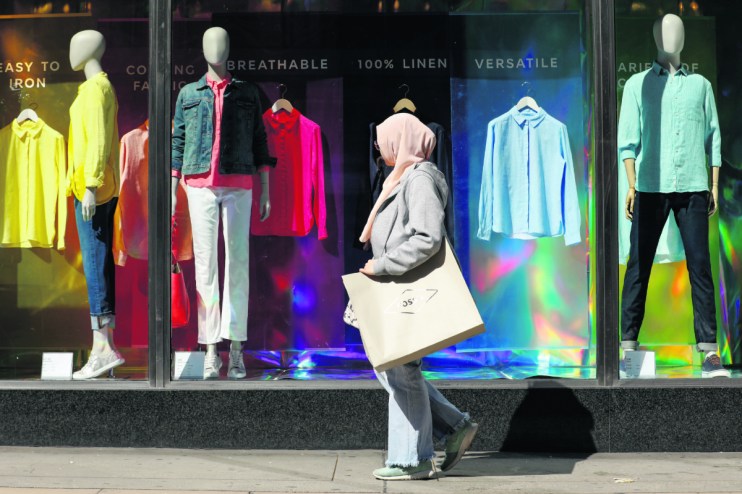
Retail sales fell at a faster pace than expected in September, new figures have shown, as consumer confidence suffered a major drop ahead of the Budget.
Total sales at retailers fell 0.4 per cent in September, according to the Office for National Statistics (ONS), a bigger drop than the 0.1 per cent forecast by City economists.
It follows a surge in August, which the ONS revised upwards to 0.7 per cent from 0.5 per cent previously. September’s slowdown was triggered by a slump at non-food stores and online spending, where volumes declined 0.4 per cent.
Firms reported lower sales and footfall as customers cut back on non-essential purchases. It comes as new data from GfK shows UK consumer confidence suffered its biggest fall since the Brexit vote in 2016.
The firm’s long-running consumer confidence index fell 11 points to -24 in September. Neil Bellamy, consumer insights director at GfK, said there was “an extraordinary collapse” in confidence.
Paul Dales, chief UK economist at Capital Economics, said: “October’s sharp fall in consumer confidence and the dip in retail sales volumes in September show that times are getting tougher for households just as the all-important festive period for retailers is just around the corner.”
Retail industry braces for the Budget
Retailers have been on fragile footing ahead of the Chancellor John Healey’s maiden Budget, set to take place on the 28 October.
Growing fears of inflation and rising interest rates have worsened consumer sentiment, prompting businesses to warn that they cannot encourage spending any more without tax cuts.
Bosses have urged the government to exclude high street shops from the highest business rates multiplier and roll back recent hikes to employer national insurance contributions (NICs).
Thierry Garnier, chief executive of B&Q owner Kingfisher, wrote in City AM that the company’s provision of work experience placements for young people “depends on what the Chancellor decides in this Budget”.
Automotive fuel was the sole major sector to buck the September slump for retail sectors, showing volume growth despite climbing prices at the pump.
Brits have been forced to swallow higher fuel prices following the spike in oil prices driven by the US-Iran war. The pressure on fuel prices is expected to continue into the final quarter with the average price of diesel in the UK reaching a record high of £2.01 per litre in early October.







+ There are no comments
Add yours