








John Healey’s energy bills support package was meant to be targeted. But a City AM analysis has found homes worth millions are in line for a handout, while others in poorer areas will get nothing.
John Healey’s maiden fiscal event was nothing if not targeted. Painful tax rises – be they on banks or gambling firms – were “targeted” at industries the Chancellor deemed ripe for a raid.
The word “targeted” appeared as many as 30 times in the Budget document published to mark Healey’s big day, as officials sought to play down fiscal significance of their measures.
The biggest of those changes – a £2.4bn promise to bung £100 to households to help them with their higher energy bills – claimed to be focused on poorer households.
But a City AM analysis of council tax data revealed Healey’s reliance on the outdated property tax means his payment will land in the bank accounts of moneyed professionals and retirees in London and the South East. Meanwhile other, less affluent households from elsewhere will miss out.
Council tax bands have not been set nationwide since the early 1990s – meaning they often inaccurately represent current property prices. Some areas, such as in central and suburban London postcodes, have rocketed in value over the past 30 years – while homes in deindustrialised parts of the country have fallen in real terms.
That means million-pound homes in some of the swankiest London postcodes – including Notting Hill, leafy Twickenham and Primrose Hill – are in line for the energy handout, while homes in towns with much lower property prices, including Blackpool and Aberdeen, are not.
“Using 1991 house prices to target 2026 support was never going to be a good design,” Arun Advani, a director of the Centre for the Analysis of Taxation (Centax), says. “After the support during Covid and the 2022 energy crisis, it is a sad indictment of government that a more effective way to target relief still hasn’t been created.”

The City AM analysis found freehold properties with as many as five bedrooms – in areas like Peckham, Nunhead and Camberwell – will receive the targeted support. The pocket of south east London was among the most deprived parts of the capital when the government evaluated council tax bands 35 years ago. Since then, however, the area has enjoyed an influx of upwardly mobile professionals looking to snap up affordable large terraced homes within a stone’s throw of central London.
In the 25 years to 2019, Peckham property prices rose by over 1,000 per cent, according Land Registry data. That means even the owners of the area’s largest properties will receive £100 from the taxpayer. Take 130 Ivydale Road, a five-bedroom home sandwiched between the picturesque Nunhead cemetery and a sports ground. Sold last year for £1.26m, it boasts three bathrooms, a well-kempt hydrangea-filled patio garden and a palatial open-plan kitchen. It will also get £100 from the government by January.

Cast the net beyond London, and even properties situated in the more salubrious enclaves of the Cotswolds are in line for the bung.
Situated just five miles away from the picturesque market town of Burford, The Haven is on the market for £1.3m. Its estate agent describes it as a “superb home” in the “highly sought-after and quintessentially rural village” of Filkins. It “perfectly marries period charm with modern elegance”, according to Oxford estate agent Penny & Sinclair, with “a generous entrance hall, utility, sitting room with feature fireplace and log burner”. But with the extra £100 for heating, its prospective owner might not need to stock up on as much firewood as feared.
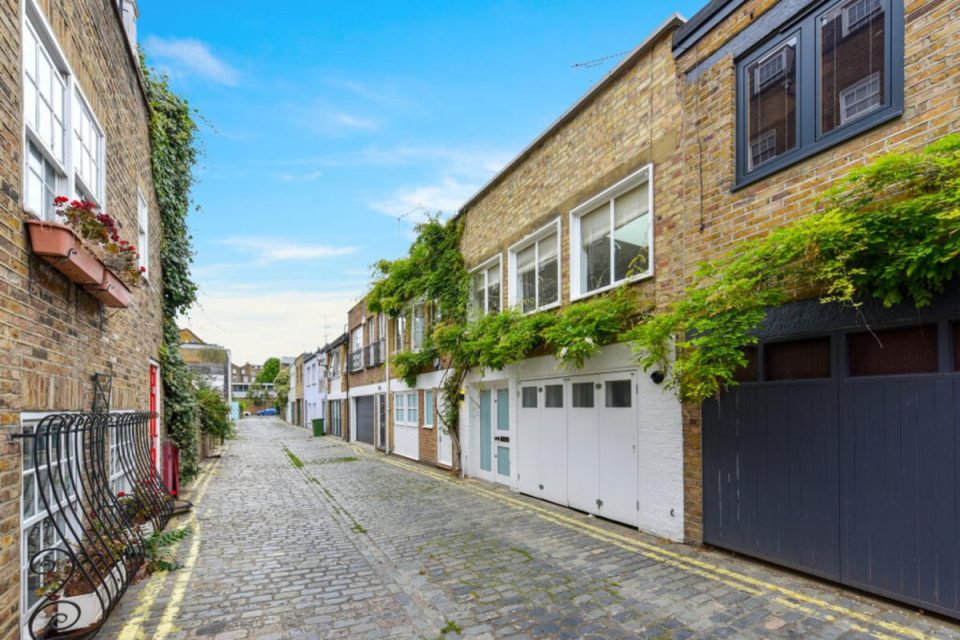
City AM even found smaller flats and homes in parts of prime central London – including Notting Hill and St John’s Wood – that are included in the scheme. Several band-D houses on the picturesque, cobbled St Petersberg Mews are now worth an estimated £1.6m.
That means that had John Healey ploughed ahead with a rumoured plan to reduce the mansion tax threshold to £1.5m, those homes would have been liable to both the impending ‘council tax surcharge’, and the ‘targeted’ energy support package.

“A hundred pounds is nice, but the point is it’s extremely badly targeted,” Greg Thwaites, interim chief economist at the Resolution Foundation, told the think tank’s post-Budget press conference.
“There are lots of people doing ok, who can probably manage without that money – and probably need to manage without that money – if we’re going to support the people we need to support.”
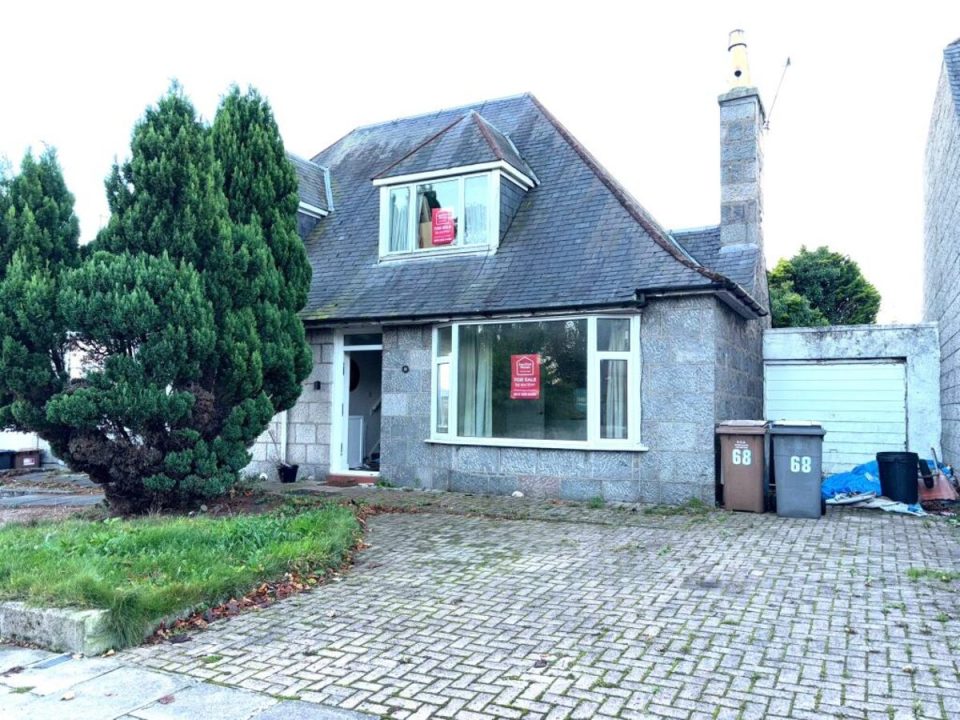
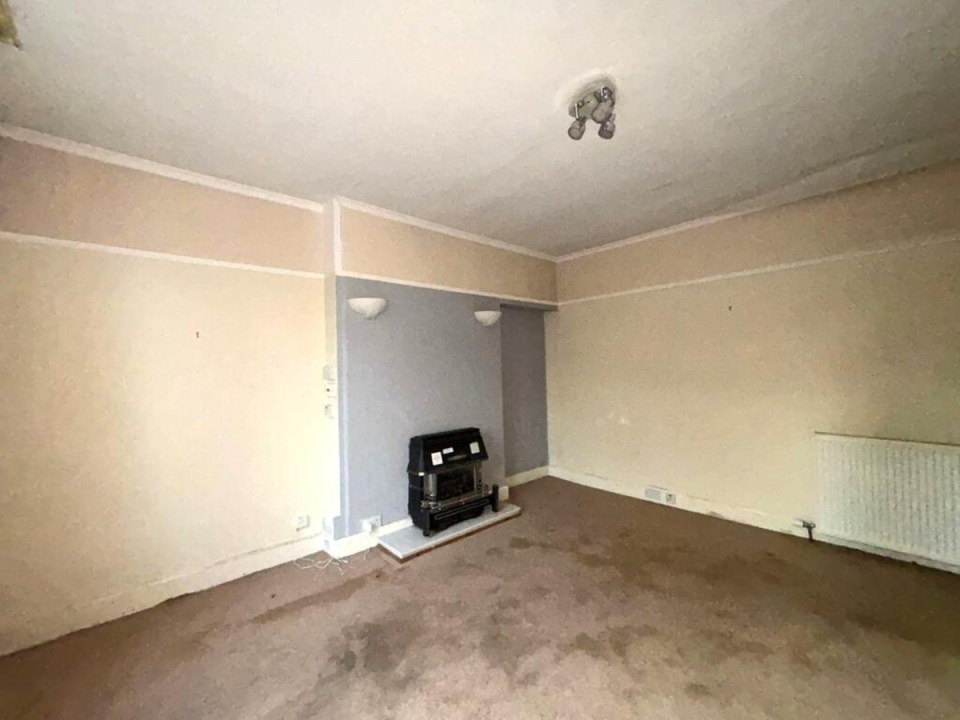
The scheme’s poor targeting means there are also plenty of losers. Those tend to be focused in Britain’s former industrial heartlands. Places like Aberdeen, Nottingham and Merthyr Tydfil, whose economies were thriving in the early 1990s thanks to Britain’s steel, oil and mining industries.
A two-bed semi on Aberdeen’s Cranford Road, pictured above, falls in council tax band E – and thus misses out on the payment. That’s despite the property being worth 89 per cent less than the mews houses in Notting Hill and 86 per cent less than the Ivydale Road five-bed.
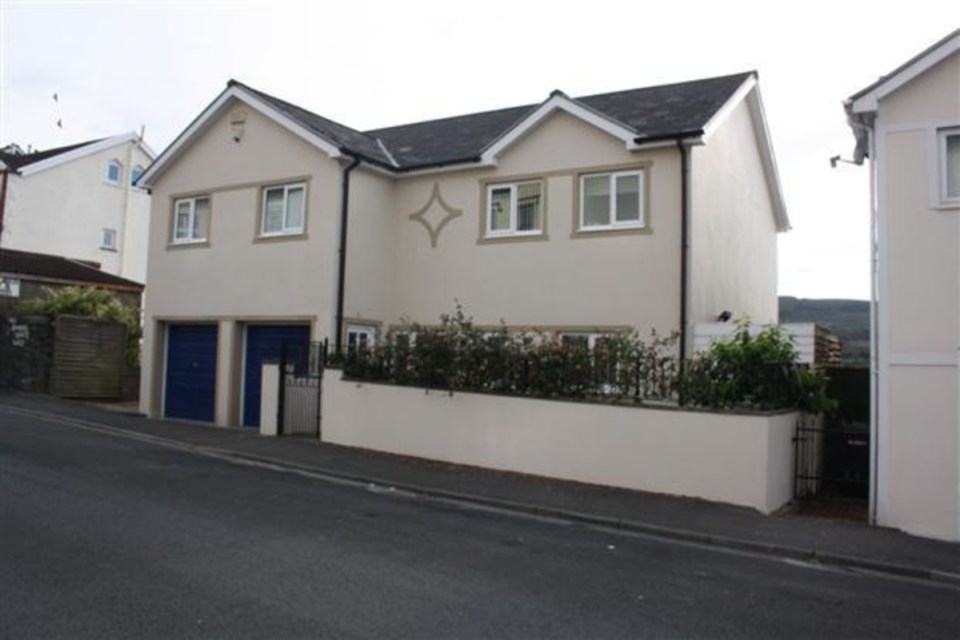
See also, the band-E, £250,000 home in Methyr Tydfil (below), the south Wales town once known as ‘the iron capital of the world’. Now, nearly 30 per cent of its residents are listed as economically inactive, as deindustrialisation and economic dislocation robbed it of high-skilled jobs and led its property prices to stagnate.

John Healey, for his part, has defended the scheme’s structure, hailing it as “real help” when people “need it most”. He will be glad, no doubt, to have the strident support of Martin Lewis, too. The all-powerful Money Saving Expert boss was fast out of the traps to declare it the “least worst option” for a package of this kind. “If you’re going to do an intervention, I think the mechanism of the intervention is right,” he said after visiting Downing Street ahead of the Budget.
A look at predicted energy prices at the start of next year and the reasons to intervene are obvious. Household bills are expected to jump some 27 per cent in early 2027 – roughly £300 for the average home.
But it is also those bleak forecasts that help explain why economists who have run the rule over the scheme and who it will benefit are in an altogether less celebratory mood than Healey and his money saving acolyte.
“It means a lot of cash going going to people that don’t need it,” Centax’s Advani says, “and some people who do need the support completely missing out.”








+ There are no comments
Add yours