






| Updated:
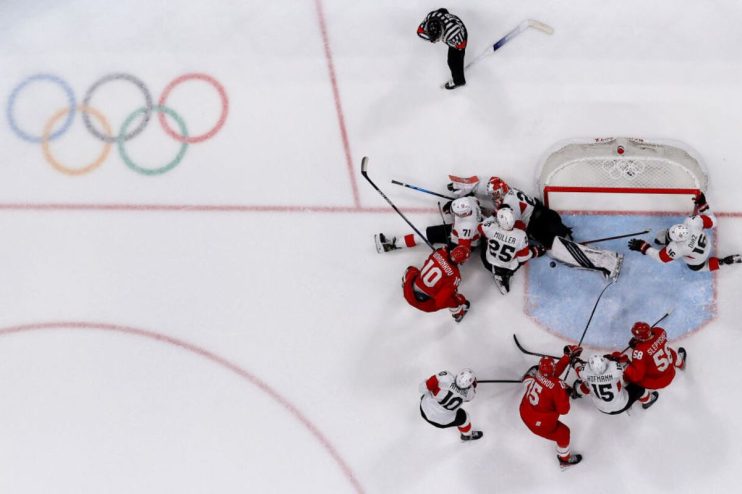
Russia’s controversial bid to be allowed back into global sport has made further inroads after it won a legal battle with the International Ice Hockey Federation.
The Court of Arbitration for Sport announced today that it has upheld an appeal from the Russian Ice Hockey Federation against its ban from international competitions on safety and security grounds.
As a result the IIHF has been ordered to allow Russia to take part in next year’s men’s and women’s World Championships in Germany and Canada respectively as well as junior versions due to take place in the next six months.
It comes after the International Olympic Committee paved the way for a Russian team to return at the LA 2028 Games because it dialled back activities in territories covered by the Ukrainian Olympic Committee.
Cas said its three-man panel “found that the IIHF arguments citing safety, security and other concerns were not supported by sufficient evidence”.
It added: “They noted that the IIHF Disciplinary Board already found that the evidence was insufficient to establish the legal requirements for non-participation.
“The Panel unanimously concluded that, in the light of the applicable IIHF regulations, only substantiated security concerns could outweigh athletes of a particular nationality to participate in competitions. Consequently, the appeal was upheld.”
Its decision “did not order alternative measures, such as a neutrality regime, nor discussed organizational consequences” since they “were not requested and not subject to the appeal”.
How Russia’s return to sport is unfolding
Russia was exiled from sport following its 2022 invasion of Ukraine but some sports have welcomed it back into the fold, including swimming and diving, table tennis, climbing, judo and taekwondo.
The International Weightlifting Federation went further this month by naming Moscow as host of its 2030 World Championships.
Russian remains banned from European and world football competitions, although Fifa president Gianni Infantino has hinted at lifting it and allowed a Russian team to compete in the Under-15 World Cup.
Its likely return to the Olympic Games prompted criticism of former UK Sport Minister Sir Hugh Robertson, chair of the Working Group on the Fundamental Principles of Olympism, who denied that a decision not to take sides in any conflict made him a “Russian stooge”.






+ There are no comments
Add yours