



| Updated:
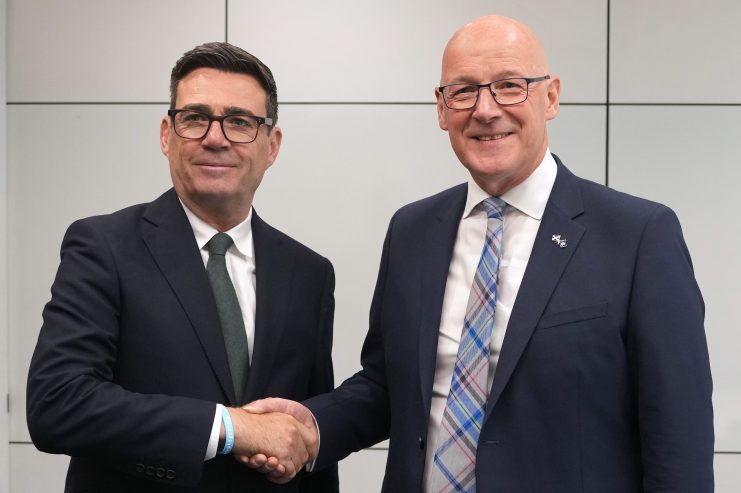
The Scottish government’s decision to raise the top rate of income tax may have backfired, according to analysis by the lawyer Dan Neidle.
Neidle’s research on tax data suggested that a decision to increase the top income tax rate to 48 per cent led to lower receipts.
HMRC data from 2024-25 suggested that the Scottish government collected £22m less, with Neidle suggesting that the country “may have fallen over the Laffer curve”. Scotland has gradually increased the top rate of income tax over the last eight years above the UK-wide level of 45 per cent on earnings above £125,140.
The Laffer curve, modelled by the economist Arthur Laffer, suggests that there is limit to how far taxes can be raised before receipts begin to fall due to the impacts on growth or the richest leaving the country.
The data suggests that high earners took steps to avoid handing over cash to the government by paying themselves in dividends, for example, or sacrificing income for pension contributions.
Neidle’s research body, Tax Policy Associates, looked at average taxes paid by top rate taxpayers in Scotland and across the UK, plus the proportion of income taxpayers who paid through self-assessment. He found that the share of tax income generated in Scotland had dropped in both cases.
He said that if the hypothesis was correct, which depends on incomes in Scotland growing as they did in the rest of the UK, there would be a loss of around £22m. Neidle suggested this was a “conservative estimate” and could rise to around £30m.
A 1p rise in the top rate could have raised £53m, Neidle added. The tax expert added there could be “noise” in year-to-year data that may make calculations uncertain and there could be other non-tax effects that could lead to big swings in the number of higher earners in Scotland.
Tax risk for Scotland
The calculations serve as a warning for Andy Burnham and John Healey, who will come under pressure to raise taxes on the wealthy to fund large spending packages later this year.
Last year, Burnham said he would raise the top rate of income tax to 50 per cent but he has since rowed back on the pledge due to his commitment to Labour’s election manifesto.
A spokesperson for the Scottish government said: “Our economy is one of the best performing parts of the UK, with Scotland the top UK destination for foreign direct investment outside London for the past eleven years.
“The number of Scottish taxpayers and liabilities continued to grow strongly in 2024-25 and the number of top-rate taxpayers also grew faster in Scotland than the rest of the UK.
“Our approach to progressive taxation means that those who earn more pay a little more to support policies that are not enjoyed elsewhere in the UK, such as free university tuition, free prescriptions, and the game changing Scottish Child Payment.”



+ There are no comments
Add yours