







| Updated:
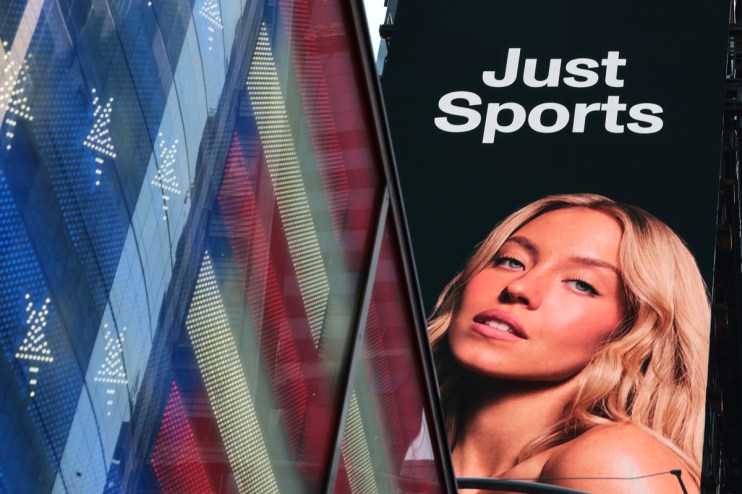
Top female athletes took control of the conversation around Sydney Sweeney and her ad for Novig, and that is the bit we should pay attention to because it represents real change, writes Matt Readman.
A few years ago, I co-authored a report called The Seven Deadly Sins of Marketing Women’s Sport. The idea was to identify the traps marketers can unwittingly fall into that can end up harming the progression of women’s sport.
Of the seven, the deadliest of all was what we called ‘Lust’: the sexualisation of the female form in a world historically controlled by men.
For decades, female athletes have had to navigate a sporting culture that was often more interested in their bodies than their performances.
The male gaze did not just influence how women’s sport was marketed. It helped determine which sports were considered suitably feminine in the first place. Graceful was good. Powerful could be problematic. Aggressive or masculine sports were often banned outright.
Female athletes have been expected to conform to particular ideas of femininity. They have been told, implicitly or explicitly, what they should wear, how they should look and how they should behave. Commercial opportunities could depend on adherence to these codes.
Young female athletes were often exploited by this system. Most famous of all, perhaps, was tennis player Anna Kournikova, whose extraordinary celebrity came without ever winning a singles title, demonstrating the enormous commercial value attached to the idealised image of the young female athlete in a ‘feminine’ sport.
On the flip side, athletes who didn’t conform to male visions of femininity were chastised and chased away from sport. Again, most famously perhaps, South African runner Caster Semenya, whose career became entangled in arguments over gender and eligibility that went far beyond her performances on the track.
Sydney Sweeney ad reinforced old tropes
Both the media and sports organisations, which should have been protecting female athletes’ rights, were guilty of exploiting them.
Sports Illustrated swimsuit issues helped create norms and expectations around the female athlete. Far worse, the Norwegian women’s beach handball team was actually fined €1,500 as recently as 2021 for wearing shorts rather than the bikini bottoms stipulated by the rules.
We have, however, come a long way in a relatively short time. Until, seemingly, this week.
The Sydney Sweeney campaign for prediction market Novig has caused dismay among many female athletes, pointing out that the advert reinforced that old relationship between women’s sport and appearance.
Some commentators have downplayed the issue, saying that Sweeney isn’t actually an athlete, or that there’s no difference between this and male athletes posing in underwear shoots. But those arguments fail to understand the history of this issue.
The fear is real. That an advert like this can generate enormous attention is a reminder of how easily the old tropes can return. It doesn’t matter that Sweeney isn’t an athlete herself, the association is still powerful.
The key question is whether the ad has taken women’s sport backwards. The answer to that has been loud and clear.
“Sydney Sweeney, this is what women in sport look like,” said British sprinter Amy Hunt.
The pushback from the world of women’s sport has been immense. It has not come from some fringe corner of the community, but from Olympians, champions and athletes across disciplines.
As well as Hunt, gold medallists Ariarne Titmus, Sophie Capewell and many others have shown what real women in sport look like.
Power to define women in sport has shifted
They did not wait for somebody else to defend them. They took control of the conversation themselves. They used their own platforms, their own audiences and their own growing commercial power to challenge that marketing.
That is the bit we should pay attention to. Because that is real change.
The Sweeney campaign may have revived the imagery, but the response demonstrated that the power to define women in sport no longer belongs exclusively to advertisers, broadcasters, editors or sporting institutions.
Yes, a controversial advert got a lot of attention this week. But the strength of the response, the clarity of the message and the sheer number of female athletes showing us what women in sport actually look like came out the clear winner.
And while the internet was arguing about Sydney Sweeney, millions of fans were revelling in watching the Solheim Cup, the US Open women’s final and many more great sporting events on that weekend.
Let’s not get distracted by an advert that was designed to distract us. Women’s sport has changed. And it is female athletes that are driving that.
There will always be more work to do however and, going forward, it can’t be the responsibility of female athletes alone. We all need to stand up for what women’s sport looks like.
Matt Readman is chief strategy officer at sports creative agency Dark Horses.










+ There are no comments
Add yours