







It is difficult to imagine anything more uncomfortable and embarrassing for leaders of Iraq than clandestinely established Israeli military bases on Iraqi territory.
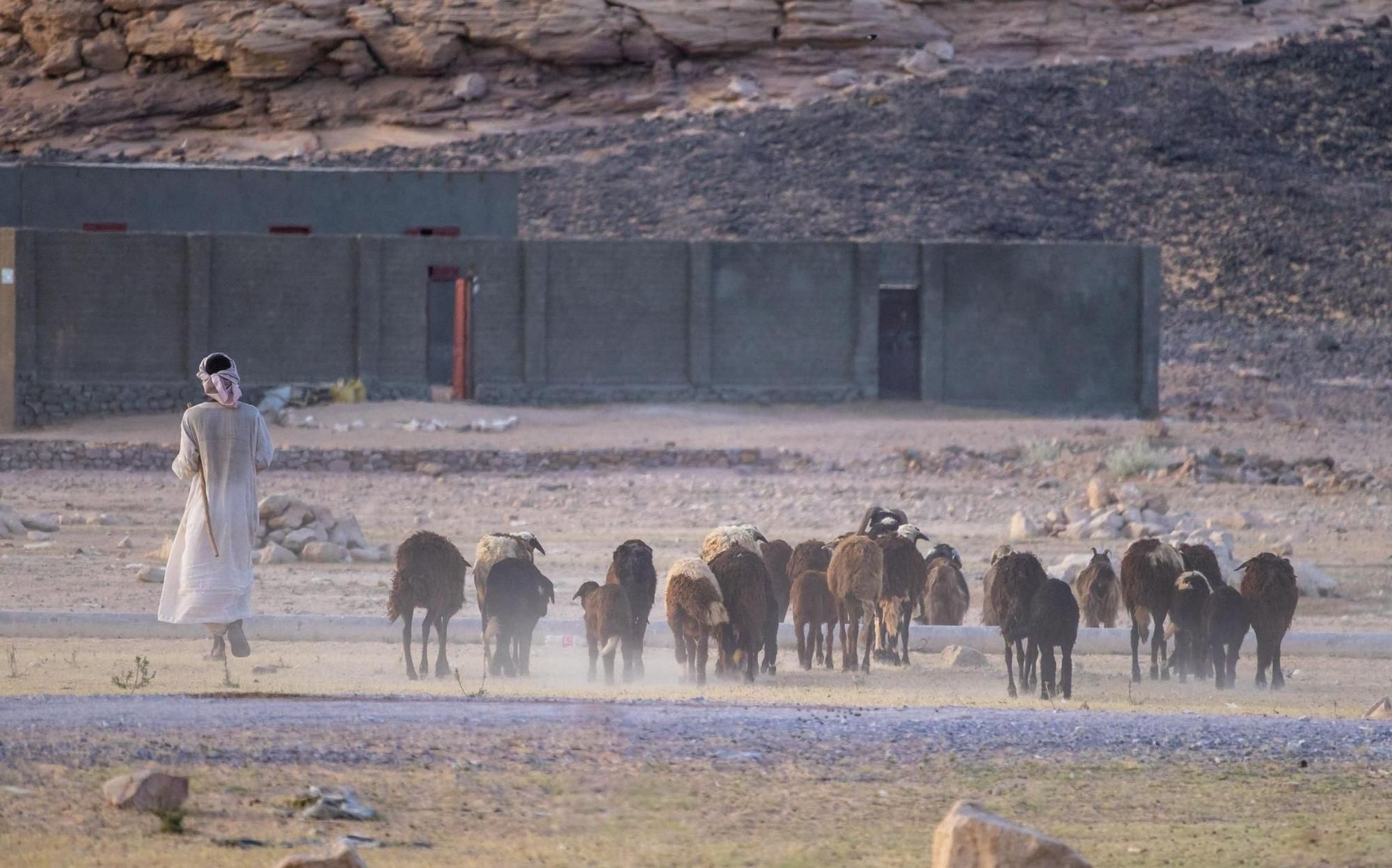
Two such bases were revealed recently when an Iraqi shepherd stumbled upon one of them in the sparsely populated western desert of Iraq and reported its presence to Iraqi authorities before the Israelis killed him.
Any such outpost — established by any foreign government, for any purpose — without the permission of the sovereign country in which they are located would be a problem. The problem for Iraq is multiplied by the fact that the bases were established by Israel, making it an especially sensitive matter for Arab governments because of the Israeli subjugation of Palestinian Arabs and doubly so since Israel’s assault on the population of the Gaza Strip, which is considered a genocide by rising number of scholars, human rights organizations, and a UN Commission of Inquiry.
Exacerbating the situation further is the purpose of the Israeli bases, which was to facilitate armed attack against Iraq’s neighbor Iran. The bases were part of staging for the war that Israel and the United States launched in February and that Iraq, like other Arab countries in the Persian Gulf, certainly did not want.
Even before the current war, Iraq has suffered from being drawn into the U.S.-Israeli conflict with Iran. Six years ago, Iran fired missiles at bases in Iraq that housed American troops in retaliation for a U.S. attack at the Baghdad airport that killed senior Iranian military and political figure Qassim Soleimani and several others, including an Iraqi militia commander.
The launching of the current U.S.-Israeli war has resulted in more Iranian strikes on U.S.-related targets in Iraq, as well as Saudi attacks on pro-Iranian militias in Iraq.
Iraq has suffered economically from the war at least as much as other Arab states in the region because of the interruption of oil exports through the Strait of Hormuz, and probably more than some of the other oil producers. Saudi Arabia can ship up to 7 million barrels per day of its production through a pipeline to the Red Sea. The United Arab Emirates has a pipeline that can bring 1.8 million barrels per day to the Gulf of Oman, and it is building a second pipeline to add to that capacity.
Iraq’s geography does not give it comparable options for bypassing the Strait of Hormuz. Besides exporting what it can through Turkey, it recently initiated tanker truck traffic through Syria. But these routes will make up for only a fraction of the 80% of its oil exports that it has lost since the start of the war.
Given the close operational ties between the Israeli military and U.S. Central Command (CENTCOM), it is highly likely that U.S. officials were aware of the Israeli bases in Iraq. From Iraq’s point of view, for the United States to allow its partner Israel to establish such a presence was the first U.S. offense. An additional offense may have been to keep Iraqi officials in the dark about that presence, although it is possible that some Iraqi officials had at least an inkling of that presence but to avoid embarrassment did not discuss it openly.
Either way, this episode can only hurt U.S. efforts to shape Iraqi policy.
The principal U.S. demand being placed on Iraq is to reduce Iranian influence in the country, which especially takes the form of pro-Iranian militias. The pressure that the United States exerts on Iraq in support of that demand has included interruption last month of funding for, and cooperation with, Iraqi security services. The Iraqi government has attempted a balancing act to maintain good relations with both the United States and Iran. The matter of the secret Israeli bases will make Iraqi leaders even less inclined than they might otherwise have been to tip the balance in favor of the United States, especially to the extent that they need to respond to Iraqi public opinion and not just to U.S. pressure.
The motivations of both Iraq and Iran to maintain stable and even cordial relations with each other remain. Those motivations are rooted in memories of the enormously costly Iran-Iraq war of the 1980s, in which hundreds of thousands died on both sides. Iraqi leaders also need to be aware of the unease that Israeli bases — established for the express purpose of attacking Iran — understandably cause in Tehran, and the potential they carry for future Iranian strikes on Iraqi territory.
Leaders of other Arab countries besides Iraq will take note of this episode about the Israeli bases and think about what it means for future security ties with the United States. The experience of this year’s war, in which those ties meant that Gulf Arab countries became targets more than they were protected, already has raised doubts among those countries about the value of such ties. The possibility that Israeli activities, undisclosed to the Arab governments themselves, might accompany security arrangements with the United States will amplify those doubts.
A reasonable observation about the war that the United States launched against Iraq in 2003 was that the U.S. won the initial phase of the war but lost the peace. Complications like secret Israeli bases on Iraqi territory mean losing it even more. The episode also illustrates a hazard of the United States concentrating so much of its attention in this region on military postures and on opposing Iran.
From Your Site Articles
Related Articles Around the Web








+ There are no comments
Add yours