







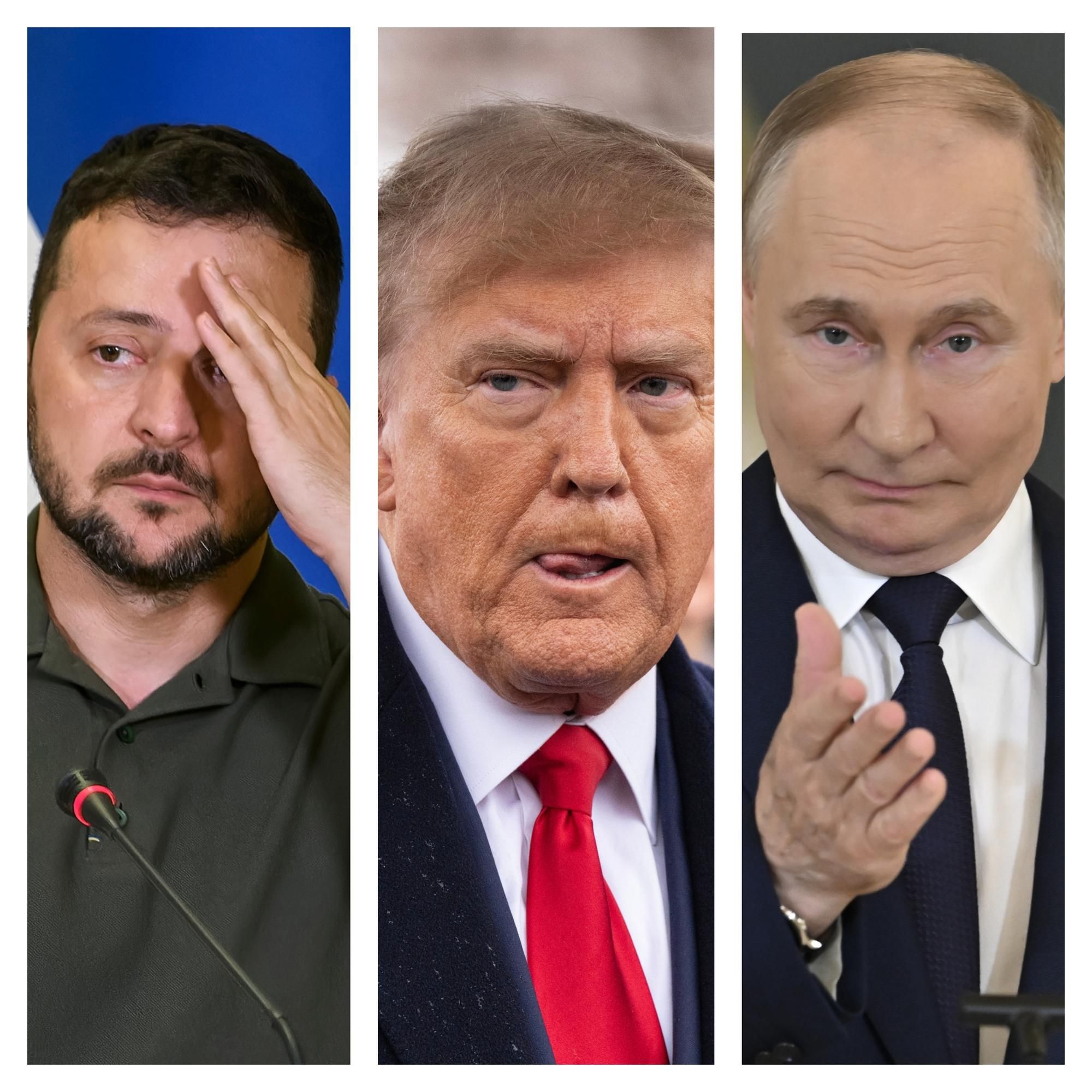
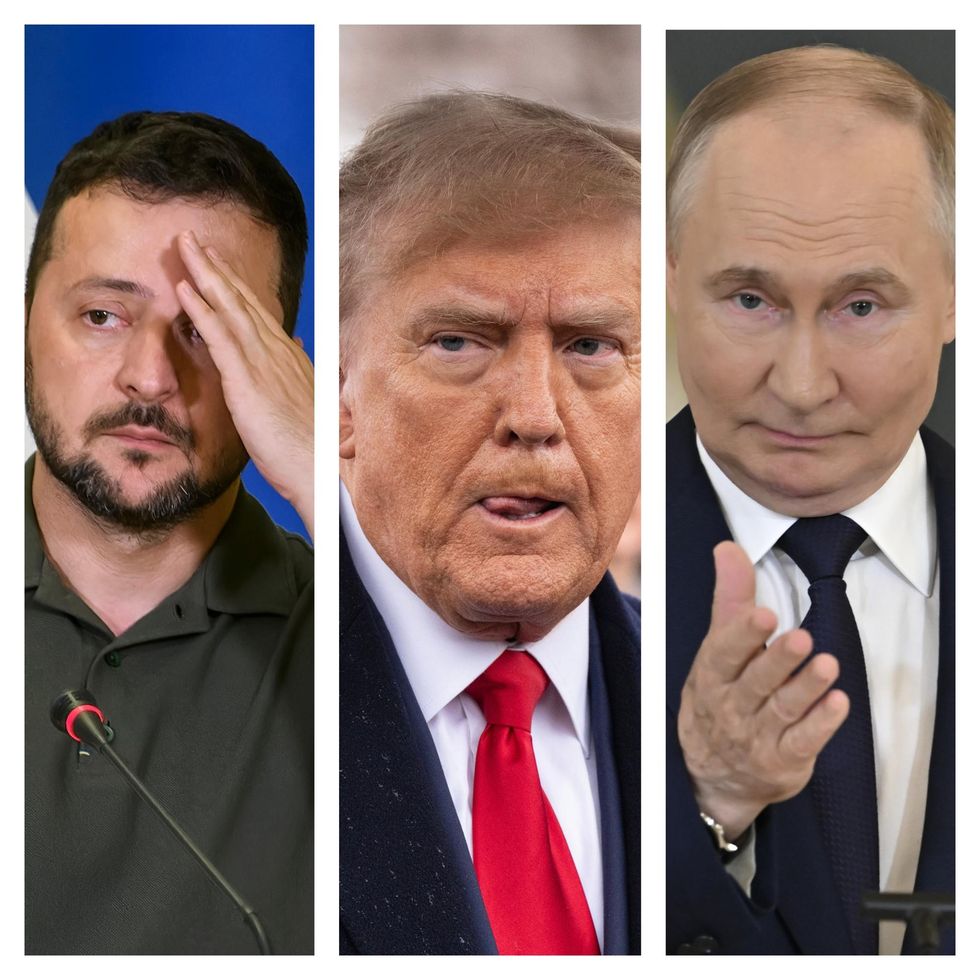
When Donald Trump arrived in the White House in January 2025, securing a quick end to the war in Ukraine was near the top of his foreign policy agenda. Despite political backlash, he pushed ahead with this objective early in his second term by resuming dialogue with Russian President Vladimir Putin and initiating parallel diplomatic tracks with Kyiv and Moscow.
Eighteen months later, however, peace talks have stalled and the war has only escalated. U.S. distraction in the Middle East is to blame for the most recent setback, but the failure of Trump’s initiative has deeper roots.
Simply put, Trump’s efforts in Ukraine to this point have been counterproductive, pushing peace further off rather than bringing it closer. Fundamental flaws in the negotiating process have undermined efforts to reach a ceasefire and created new obstacles to a near-term armistice that will be challenging to overcome.
If the Trump administration is serious about ending the conflict in Ukraine, it will need to reboot its approach. This means shifting away from the focus on territory, ensuring that the U.S. only makes realistic promises to each side, and breaking down silos to include all parties and the most sensitive political issues. Redirecting the current peace process will not be easy, but, with the window for a deal closing, there is urgency to do so.
The first mistake U.S. negotiators made was pushing the issue of territory to the center of negotiations to end the war. When it began, Russia’s “special military operation” was not about territorial conquest. Instead, Moscow’s goals were political, including preventing Ukraine’s slow drift toward the West and stopping its integration into Western (and NATO) military institutions. In fact, early in the conflict, when Ukraine and Russia met in Istanbul, the two sides came close to an agreement that traded Ukrainian political concessions for a full Russian withdrawal from territories seized in the 2022 campaign.
Territory became more important over time, after Putin passed constitutional laws incorporating oblasts claimed during the conflict and as the war slipped into one of attrition, forcing Russia’s more ambitious political goals out of reach.
Still, American officials reinforced and encouraged this focus on territorial compromise as the key to ending the war, first by pressing Ukraine’s negotiating team to accept territorial concessions as a condition for peace and then, after the Anchorage summit in August 2025, suggesting that Ukraine pull out of the part of Donetsk that Kyiv still controlled to facilitate a ceasefire. As a result, the trade of “territory for security guarantees” has become the central paradigm of peace negotiations, with the Trump administration promising vague security commitments to Ukraine if it withdraws from the territory in question.
Now, the central position of territory in the negotiating process has become a serious obstacle to peace. The war’s true root causes — Ukraine’s alignment and NATO’s encroachment on Russia’s borders — lend themselves to compromise and tradeoffs, creating space for a deal. On the issue of territory, however, the positions of the two sides seem irreconcilable. Russia and Ukraine cannot simultaneously control the disputed piece of land. Even a shared sovereignty arrangement would require a single administrative authority in charge of legal matters and taxation.
But putting territory at the center of negotiations was not the only misstep made by U.S. negotiators.
A sustainable deal to end the war in Ukraine must have terms that match the battlefield reality, as neither party can expect an outcome that it did not win through fighting. Rather than pushing the two combatants toward such an agreement, however, Washington has pulled them away from it, offering unrealistic promises that Russia and Ukraine are now — understandably — reluctant to give up.
To Ukraine, the Trump administration has spoken at times of “Article 5-like” security guarantees that it likely has no intention of providing. Presidents going back as far as George H.W. Bush have been clear that fighting a war with Russia over Ukraine (as would be implied by such a guarantee) is not in U.S. interests.
To Russia, Washington seems to have suggested that it might be able to compel Ukrainian withdrawal from the remainder of Donetsk under the so-called Anchorage formula. Such a commitment was never viable. For Kyiv, giving up territory at the negotiating table is politically toxic. It would be easier to lose the land on the battlefield, despite the high costs that would come with doing so. In any case, the United States simply does not have the influence over Ukraine required to force such a concession.
Having been promised such favorable terms, however, neither Ukraine nor Russia is ready to accept more attainable ones, especially because of the political costs of walking back commitments made to domestic audiences. The United States will therefore need to rescind its empty promises before an achievable peace deal can emerge.
Finally, though Washington has organized a few trilateral summits that include Russia, Ukraine, and the United States, it has tended toward siloed meetings, consulting with Russia at some points and with Ukraine or a combination of Ukrainian and European leaders separately. There has yet to be a meeting that included European representatives alongside both combatants and the United States.
This approach has complicated efforts to achieve peace in a few ways. For starters, repeated rounds of talks between the United States, Europe, and Ukraine consumed much time but contributed little because of Russia’s absence. It is true that Moscow has no legal claim over issues like the security commitments offered to Ukraine after the war, but, from a practical point of view, only guarantees that have Russian buy-in can offer Ukraine long-term security. Because it can keep fighting, Moscow has a de facto veto over any proposed deal terms that it rejects.
By relying on meetings that intentionally excluded key stakeholders, U.S. negotiators fed anxiety and paranoia among all involved. Europeans worried that the United States and Russia would make a deal over their heads that affected their security. Russia was concerned about U.S. and European promises to Ukraine that NATO forces might be based inside Ukraine after the war. And Ukraine feared agreements between Trump and Putin that would result in forced Ukrainian concessions or deep cuts in U.S. military support to Ukraine.
None of these things has come to pass, but the U.S. approach has hardened the negotiating positions of all sides rather than pushing toward compromise.
The bad news, then, is that the diplomatic process launched by the United States last year is destined to fail. The good news is that the underlying problems that have derailed peace efforts to this point are solvable, with the right modifications.
Three changes are most pressing. First, the U.S. negotiating team should put territorial issues to the side and focus first on the core political and security issues at the heart of the war. Questions of territory will have to be addressed at some point, but negotiators may find that there is more flexibility if both combatants believe their most important security interests have been protected.
Second, Washington must offer a realistic assessment to both parties of the likely terms of a deal and urge them toward acceptance. Kyiv may receive some security assurances from the United States, but they are likely to fall short of anything like Article 5 guarantees. At the same time, Moscow will likely have to compromise over the future status of any territory in Donetsk that it does not take by force.
Finally, future rounds of negotiations must be inclusive, incorporating all relevant stakeholders for any set of issues discussed. Inclusivity must be balanced against what is practical. Europe need not be included where its interests are not involved, just as only Russia and the United States should participate in discussions of bilateral issues. Of course, such a format would require the European countries to first identify who will speak for them and what their interests are apart from those of Ukraine.
Making these changes and resuming dialogue in the near term should be a priority for the Trump administration. Though many are convinced that Ukraine has “turned the tide,” momentum will swing back to Russia soon enough. Moreover, at this point, time is on no one’s side. For all parties, the deal available tomorrow will be worse than that on the table today.
From Your Site Articles
Related Articles Around the Web








+ There are no comments
Add yours