






New TV charges to be introduced (Image: Getty)
It’s amongst the most commonly used electrical appliances in any British home, but the cost of operating a TV daily can mount up. Expenses can increase in households with several devices in operation.
Running games consoles, streaming Netflix, and being connected to soundbars or other audio equipment can all rack up your electricity bill. According to broadcasting regulator Ofcom, the average person in the UK views television for four hours and 31 minutes each day. Though this varies by age bracket: those aged over 65 accumulate six hours, while young adults manage merely 53 minutes.
From July, energy regulator Ofgem is increasing gas and electricity prices, making your television marginally more costly to operate, with charges set to climb by 13% from July 1.
According to USwitch, televisions typically consume between 40W and 200W while switched on, though this can vary substantially depending on the TV model and its dimensions.
For example, a budget 32-inch bedroom LCD television receiving a Freeview signal will use far less power than a 77-inch OLED at maximum brightness while streaming 4K.
Using an average consumption of 100W and running for the typical four hours and 30 minutes daily, households would spend 12p each day viewing television. Annually, that totals £42.89.

Expenses can increase in family households with several devices (Image: Getty)
This excludes any supplementary equipment plugged in, such as a set-top box, Sky box, surround sound system, soundbar, DVD/Blu-ray player or games console, and if your television surpasses average dimensions, charges will be greater.
That figure also excludes the cost of a TV Licence, which rose to £15 per month from April — a requirement for watching any live television or accessing BBC content, whether broadcast live or via iPlayer.
According to USwitch, several factors determine how much your television usage costs you.
USwitch said: “Compared with other household appliances, such as tumble dryers and fridges, televisions don’t use that much electricity. But they can be the biggest energy guzzlers of your entertainment equipment, particularly if they’re large.
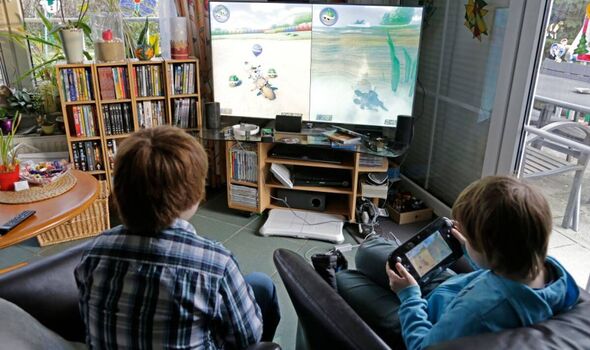
From July, energy regulator Ofgem is increasing gas and electricity prices (Image: Getty)
“Most TVs consume between 40 and 200 watts (W) when switched on, but the exact figure will depend on the:
- Type – LED, OLED and QLED TVs all have different power consumption levels. QLED TVs tend to use more power than OLED TVs.
- Age – newer TVs tend to be more efficient than older ones
- Size – the bigger the screen, the more electricity it’s likely to consume
- Settings – brightness and other settings can affect electricity use
- Usage – of course, the more you watch TV, the more energy it uses.
“TVs are rated for energy efficiency on a scale of A-G. Many will have an E-G rating, which is considered poor for household appliances.”
They added: “If you’re buying a new TV, think about the size and type of screen you choose. An energy-efficient 32-inch LCD will typically use half the power of a model with a 42-inch plasma screen.
“In general, the smaller your TV, the less it will cost you to run, but the type of television is also crucial, as is its age.”