




UK households that regularly use slow cookers could expect to pay as much as £12 or more per month, thanks to the latest increase in the energy price cap. As suspected by industry experts, it has been confirmed that the energy price cap will increase from the first day of July, meaning it will be more expensive for some households to run certain appliances. Ofgem recently announced that households using the typical amount of gas and electricity will jump by £221 a year, with an annual bill of £1,862.
The hike affects homes on variable tariffs. Suppliers have warned that bills could increase during the next change by Ofgem. This follows a decrease in April, when households saw the pence per kWh fall to 24.67. However, it will now increase to 26.11 per kWh from July 1. Ofgem reviews and updates the price cap level every three months, and the next rate will be in effect until September 30, 2026.
This means that the households with appliances like washing machines, dishwashers and slow cookers will pay more for using these appliances over the next three months.
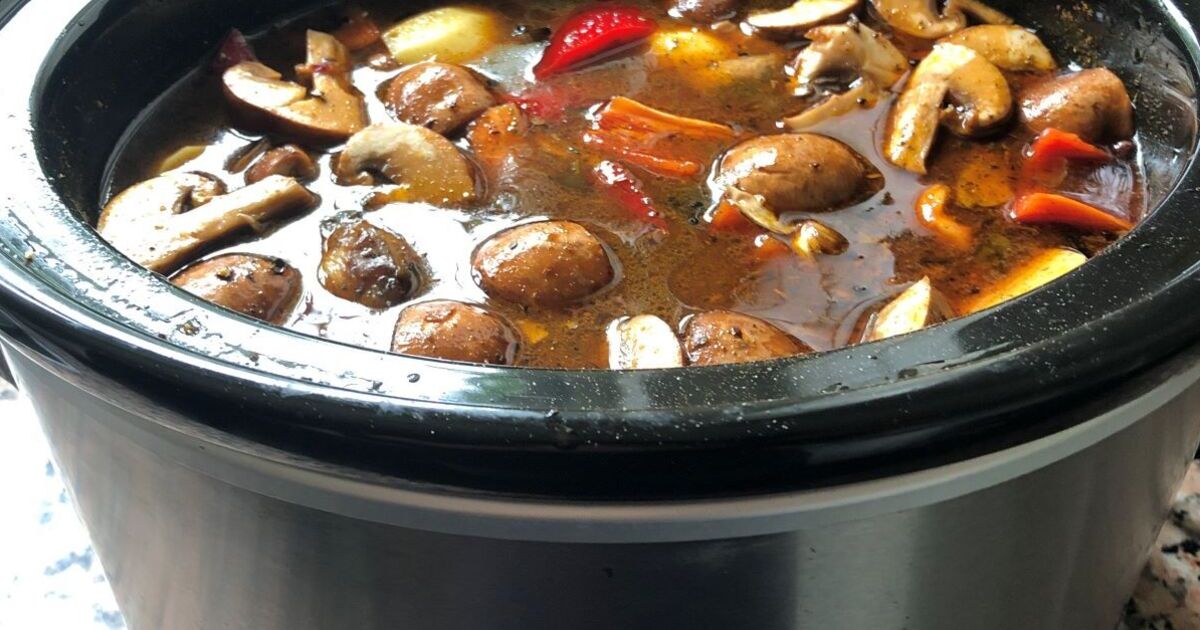
When it comes to slow cookers, we can work out what this might look like, based on the typical wattage and daily usage. According to Energy Bot, an energy provider comparison site, slow cookers typically have a wattage of around 200.
Then, we work out the standard usage of a slow cooker. According to appliance experts, slow cookers on a high setting take between an hour and two hours to cook, while they can take up to eight hours on a low setting.
So, we will aim for the middle and assume you use it, on average, for five hours per day.
Using the Smart Money Tools price calculator, we can conclude that, based on this usage, a slow cooker would cost £7.94 per month to use. However, this applies if you use it every day. This translates to around 26p per day.
If you only used it every other month, it would be under £4 per month.
The last time energy bills were this expensive was January 2024. Energy Secretary Ed Miliband said: “The rise in the price cap because of a war we did not choose is deeply unwelcome news for households across the country.
“We know people were under pressure before this crisis, and that’s why easing that burden is our number one priority.
“To help people facing higher costs, the Chancellor acted last week to freeze fuel duty and made bus travel free for children across England in August. We have taken £150 average costs off energy bills for the years ahead, and we have also extended the warm home discount for around six million families.”