







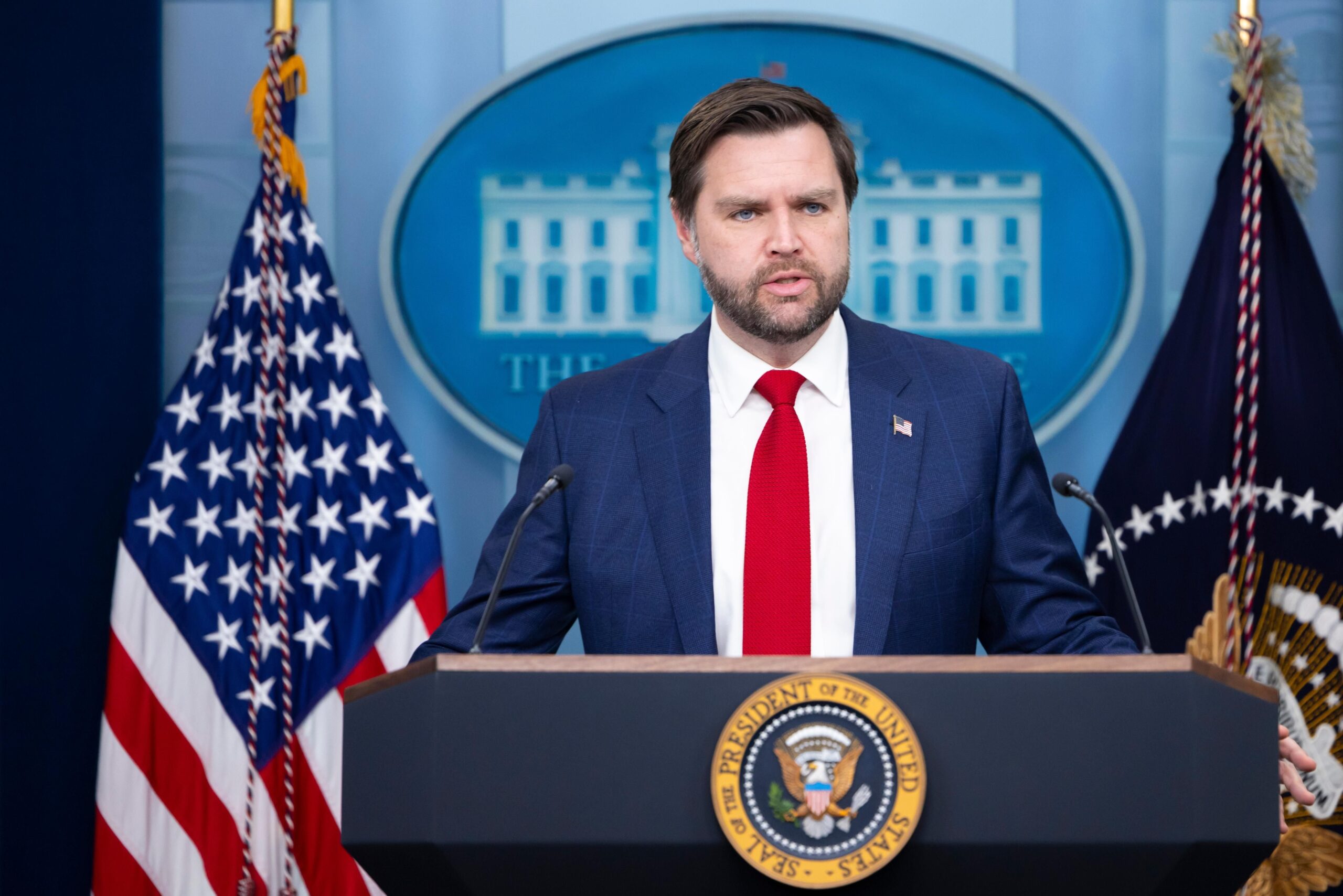
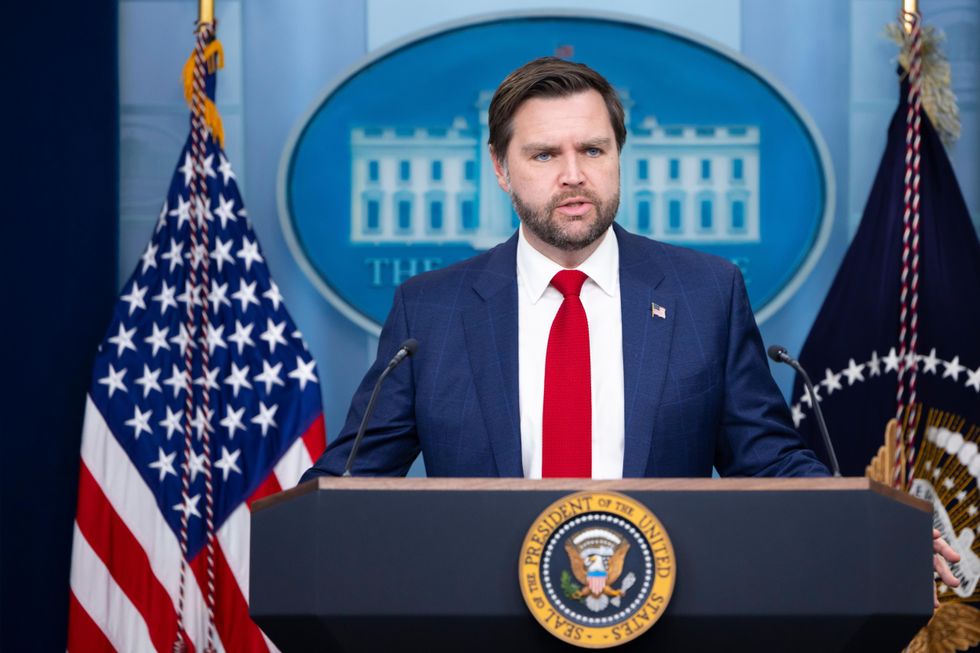
Vice President JD Vance said Monday that Washington was in direct contact with the Houthis as the group solidified its gains across Yemen’s Red Sea coast, arguing that the U.S. is “on top of” the rapidly deteriorating situation in the country.
“We’ve been in constant contact with the Emiratis, the Saudis, and others who are affected in the region,” Vance told reporters. “We’ve also been engaged in direct conversations with the Houthis themselves,” he added, describing the situation as “fluid” and “dynamic.”
However, the Houthi political bureau has denied the White House’s claims that the two sides are in direct contact.
The Houthis, a group also known as Ansar Allah, have made a series of rapid gains in recent days, seizing the Red Sea port of Mokha and several strategic islands near the Bab el-Mandeb strait, one of the world’s most important shipping chokepoints. The advance has renewed large-scale fighting in Yemen and triggered Saudi airstrikes, while the Houthis have also launched missiles and drones at targets inside Saudi Arabia.
On Tuesday, a Saudi military spokesperson said attacks had injured 13 people across three cities in the Kingdom, while the Houthis say Riyadh launched more than 50 strikes during a 24-hour period Monday. More than 100,000 people have been displaced as the conflict has intensified.
The U.S. has been in a ceasefire with the Houthis since May 2025, when President Donald Trump announced the end of its daily bombing campaign in Yemen, which killed 208 civilians.
Trump suggested recently that Washington would remain committed to the ceasefire and refrain from direct attacks in Yemen. He added that “most ships go through” the Red Sea, with the exception of Saudi vessels. However, maritime shipping experts say that while non-Saudi ships are getting through the Bab el-Mandeb strait, insurance prices are expected to spike after the Houthi takeover. Regular traffic through the strait was already depressed, and is expected to be impacted even further. Twenty-one commodity ships traveled through the Bab-el-Mandeb strait on Monday, according to Kpler, down from 28 on Sunday, and an average of 70 before the most recent crisis in the Red Sea.
Trump reportedly recently declined to directly intervene in the conflict despite urging from Saudi Crown Prince Mohammed bin Salman.
“So far, Trump demurred when MBS asked him to reinitiate military action against Houthi positions,” Annelle Sheline, Middle East research fellow at the Quincy Institute, told Responsible Statecraft. “Even if Trump eventually feels pressured by rising oil prices to attack Yemen in hopes of getting Ansar Allah to allow Saudi Arabia to export oil through the Bab al-Mandeb, such military operations are likely to be ineffective, as they were under Biden in 2024 and under Trump in 2025.”
Instead of repeating a failed strategy, Sheline added, Washington should push Riyadh to “to try a new approach: listen to the Houthis. Lift the blockade. Stop pouring resources into the anti-Houthi militias. Develop a working relationship with Ansar Allah, and use that to reduce their relationship with Tehran.”
From Your Site Articles
Related Articles Around the Web








+ There are no comments
Add yours