






| Updated:
When Jamie Dimon and John Healey first exchanged remarks, the world’s most influential banker told the Chancellor how important it was to get public policy right.
The Wall Street chief is understood to have said the right public policy was the key to solving the issues facing global economies, according to those close to the conversation.
Reports at the time suggested Dimon warned of the impact higher bank taxes have on local jobs. A source close to the talks said tax chatter remained general, and not specific to the UK, nor with any link to JP Morgan’s new plans for a blockbuster tower in London.
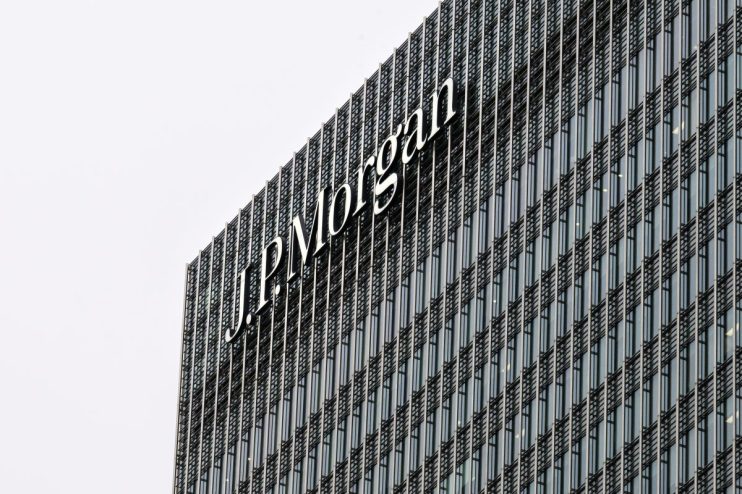
But Dimon hasn’t kept his view on the new headquarters – set to be Canary Wharf’s tallest tower – secret.
Before Healey even entered the Treasury, Dimon warned there could be factors that make him “reconsider” the investment, which is projected to inject as much as £10bn over the next six years into the local economy.
He was pressed whether the departure of former Prime Minister Sir Keir Starmer and Westminster upheaval would cause them to review the plans.
“Not political instability but if they become hostile to banks again, yes,” Dimon responded.
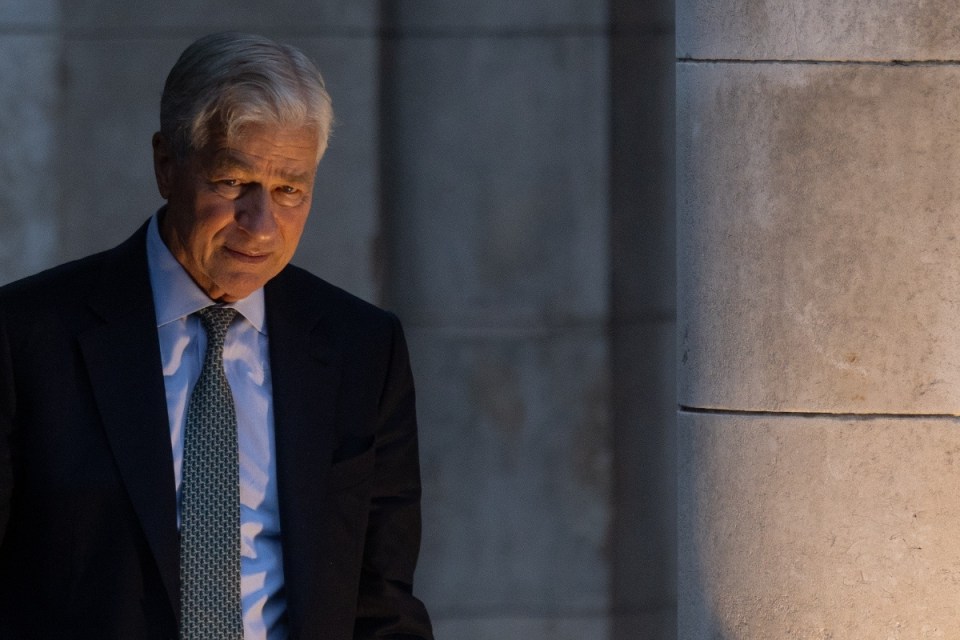
He would reiterate this again in July – a month before his phone call with Burnham.
“I mean it may sound great, ‘tax the banks’, but it’s $5bn that my shareholders paid on that extra tax,” he told the Master Investor podcast, adding “I just think things like that have adverse consequences”.
New reports from The Guardian suggest the Chancellor may be willing to shoulder some of those consequences after deciding to target the banking sector to raise some cash for the Treasury purse.
It’s a move that leaves the JP Morgan project – predicted to create an additional 7,800 industry jobs and house 12,000 staff – in uncertainty.
“The UK government continues to talk about growth, but I struggle to see how it expects to achieve genuine growth while it keeps damaging financial and professional services,” Annabel Singh, founder and director at The Inward Group, told City AM.
“The sector is already over regulated, and now it faces the threat of an increased bank tax. Does the government not realise this will have a trickle-down effect on the everyday working person?”
No ‘binary’ decision on JP Morgan tower
Dimon – who took home a $43m pay packet last year – said in July he would not commit to a “binary” decision on the future of the project.
One option floated more recently has been to exclude the UK operations of international banks from any tax changes to avoid damaging overseas investment. Dimon has said such a move “wouldn’t be fair” and would “lack principle”.
City AM previously revealed red tape was already holding up a key approval for the tower as the bank sought to get a business rates exemption.
JP Morgan has sought to get a waiver of up to 100 per cent. The government has warned the Tower Hamlets Council that the bank was “unlikely to progress” the project “without clarity and certainty” on its tax bill, according to a council report.
Into this debate comes news that the Chancellor is weighing up an increase to business rates for expensive office blocks – and skyscrapers – which would raise £1bn for the Treasury but disproportionately hit the capital’s business districts, especially Canary Wharf.
The fresh uncertainties around the tower is a far cry from the bells and whistles JP Morgan received under Rachel Reeves’ Chancellorship.
The plans for the £3bn tower were announced in the 24 hours that followed Rachel Reeves second, and last, Budget, where banks were spared from the £26bn worth of tax hikes.
Dimon and Reeves are understood to have had a warm relationship throughout her tenure in No.11. The American banker introduced the former Chancellor at a roundtable with some of the world’s biggest multinational companies in Davos this year.
But relations between the Treasury and City have changed under the new regime – a move that puts the future of JP Morgan’s mega-tower in flux.
JP Morgan declined to comment.




+ There are no comments
Add yours