







| Updated:
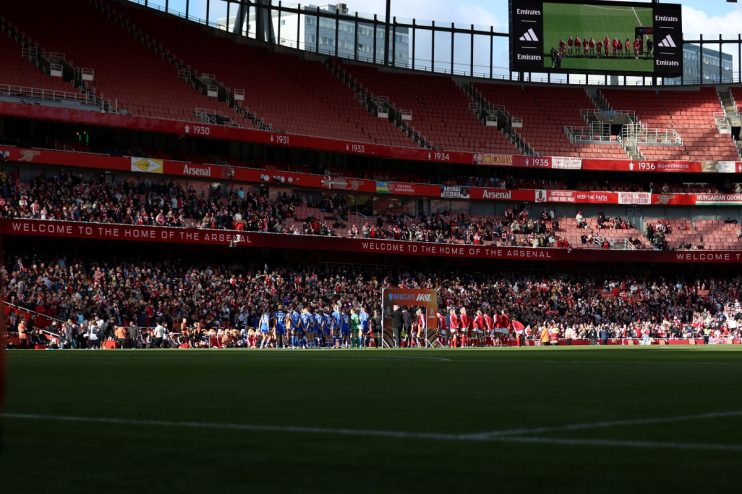
Women’s football is on a continual gradient of growth. The curve has been getting steeper and steeper each year, each season – more investment, more interest, more sales, more TV airtime. However, the investment into the women’s game and player welfare is growing at a slower rate.
Outside of the top clubs players rely on personal sponsorship and branding deals to get by. That may work for players in the WSL but what about players in tiers three and four? How do we bridge the gap between full-time and part-time?
We’ve seen plenty of women’s players become social media influencers and content creators, such as Alisha Lehmann and Kelci Rose Bowers. But what businesses could players get themselves into?
Our Actonians player Lois Colley has recently started her own events coffee bar business. But I’ve been on a different journey – from being paid to play football, to being involved in building businesses outside of the game, to getting trained in high level finance, and also supporting my family’s investment in a football club.
Today’s players don’t just have to become tomorrow’s coaches or broadcasters. They could become owners, investors, founders, executives and decision-makers. They bring something traditional investors don’t necessarily have: lived experience of the game.
Women are creators. We don’t need to follow a path that’s already been etched, we can create our own ecosystem that benefits us.
The differences between men’s and women’s football aren’t just challenges – they’re opportunities. Mary Earps said to “leave the shirt in a better place than it was before”. If we’re not developing the game then what are we doing?
The current roster of players have so much more today than we had at their age. We should absolutely continue to fight for female footballers to be paid what their talent and the growing value of the game deserves. But we shouldn’t allow salary to become the only measure of progress.
The bigger opportunity is to create an ecosystem in which women don’t just play the game. They build businesses around it, invest in it, own parts of it and ultimately help decide what it becomes.
Women’s football doesn’t need to become men’s football to succeed. It has the opportunity to become something better and create something that suits us.
So let’s expand our thinking and create a future for women’s football in a way nobody has seen before.
Stephanie McCaffrey is an entrepreneur, women’s sport investor and former USA football player.





+ There are no comments
Add yours