




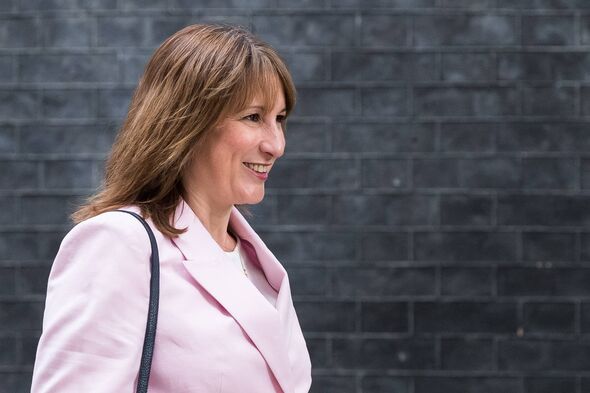
Chancellor of the Exchequer Rachel Reeves (Image: Wiktor Szymanowicz, Wiktor Szymanowicz/Future Publishing via Getty Images)
A petition urging the Chancellor to increase the threshold at which workers begin paying tax to HMRC has reached a significant landmark following the Government’s official response. The petition, entitled ‘Raise the personal tax allowance to £18,000’ and created by Mike Haynes, is live on the Parliamentary petitions website and runs until the end of September.
Since its launch at the end of March, it has been steadily gathering support and has now surpassed the 30,000 signature milestone. As of Saturday morning, it had 30,883 signatures.
Should an e-petition reach 10,000 signatures, the Government is obliged to respond. Should it surpass 100,000, it may be brought before Parliament for debate.
The petition reads: “Since 2021 personal tax allowance has been frozen at £12,570. This freeze was due to expire this year but the Chancellor of the Exchequer has extended it to 2031.
“We want to keep some more of our own money. If you are earning minimum wage then you may soon be paying tax because of fiscal drag. Some higher earners pay little or no tax due to clever use of accounting rules. We think this is so wrong.”
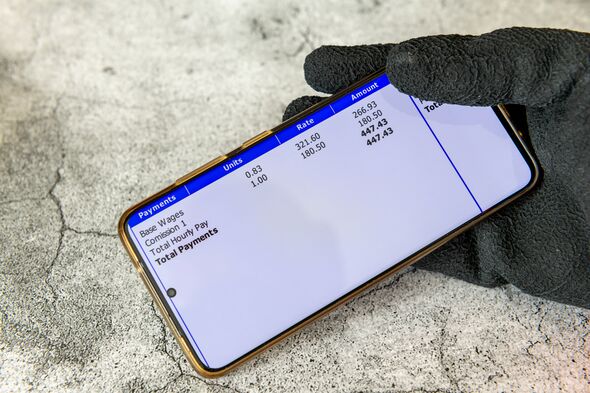
It hasn’t changed for years (Image: Yau Ming Low via Getty Images)
Read more: ‘Double cost’ warning for anyone sorting a mortgage right now
Read more: Nationwide, Santander, NatWest customers among those given ‘May 21’ alert
Fiscal drag occurs when increasing numbers of people are drawn into paying tax, as wages and other payments such as the State Pension rise while the tax-free threshold remains unchanged. It has emerged as a contentious issue for pensioners, as the New State Pension now pays £12,547.60 per year, falling just short of the tax threshold.
This means that while those receiving solely the State Pension narrowly remain within tax-free brackets, any additional income, such as a private pension, is likely to become liable for taxation. The petition contends that increasing the tax-free threshold from its current level of £12,570 to £18,000 would rectify this situation.
HM Treasury responded to the petition on May 5, saying: “The Government is committed to keeping taxes for working people as low as possible while investing in public services and not taking risks with the economy. The previous government froze the main income tax thresholds from 2021/22 until 2027/28 – this means the Personal Tax allowance was not due to rise until April 2028 at the earliest.
“To ensure that the Government can deliver on the public’s priorities, at Budget 2025 it was announced that the personal tax thresholds, including the Personal Allowance, would be maintained at their current levels for a further three years to the end of this decade.
“The Government currently has no plans to increase the Personal Allowance to £18,000. Increasing the Personal Allowance to £18,000 would come at a significant fiscal cost of over £40 billion per year. This would also benefit higher earners more than basic-rate taxpayers on average.
“Raising the Personal Allowance to £18,000 would reduce tax receipts substantially, decreasing funds available for the UK’s hospitals, schools, and other essential public services that we all rely on. A £40 billion cut in public services is equivalent to slashing roughly a fifth of the NHS Budget in England, or around two-thirds of defence spending.
“The income tax system is highly progressive, with different rates of tax sitting above an internationally high Personal Allowance. The Government is making these fair and necessary choices on tax so it can deliver on the public’s priorities. Alongside this, the Government is keeping the contribution as low as possible by pursuing a programme of reform to fix longstanding issues in the tax system.
“To support the lowest-paid workers in our economy, the Government has asked the Low Pay Commission to account for the cost of living when making each of their recommendations on the minimum wage rates that have applied since April 2025. The government is also supporting families through the universal offer of 15 hours of government-funded childcare for all parents of 3- and 4-year-olds and eligible working parents of children aged 9 months and above can access 30 hours a week in free childcare.
“At Budget 2025, the Government also announced a package of measures that will bear down on prices and help ease cost of living pressures for working people, targeting everyday expenses. This includes cutting energy bills and freezing rail fares and NHS prescription fees. The Government keeps all taxes under review as part of the policy making process.”