






| Updated:
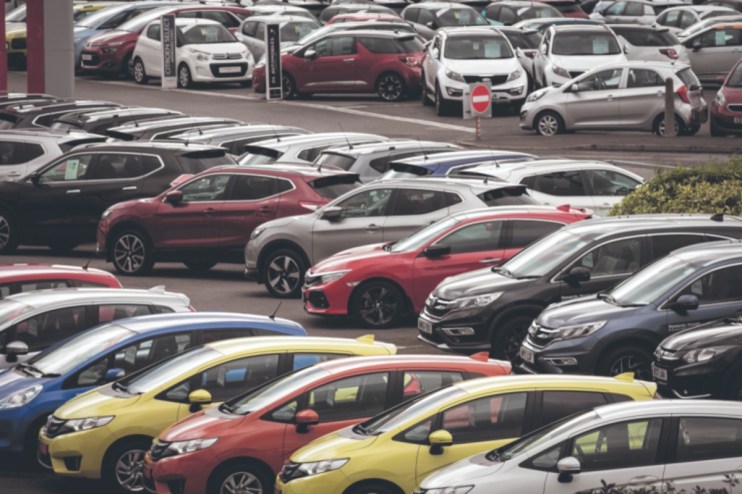
More than 300,000 Chinese cars have been sold in the UK so far this year, setting a fresh record as European rivals lose ground.
Chinese carmakers made up five of the top 25-performing brands in the first nine months of the year, data from The Society of Motor Manufacturers and Traders (SMMT) has revealed, accounting for just under a quarter of the market by volume.
MG, the former Oxford-based car marque that was bought by Chinese owners in 2006, was the best-performing Chinese brand, accounting for just shy of 80,000 registrations. That was followed by BYD with 68,000.
Jaecoo, which came third with 59,000 registrations, also produced the single best-selling model in the UK in the month of September, with more than 10,000 units of its ‘7’ SUV sold.
Total car registrations in September crossed 350,000, marking the best-performing September recorded since 2017, in signs of a wider market rebound from a Covid-era lull.
But European car makers continued to lose ground. The Vauxhall Corsa, the VW Golf and the Audi A3 were the only two European models to make it to the top 10 during the month.
Chinese carmakers in the UK, all of whom only sell electric vehicles, were also able to take advantage of a wider push away from combustion engines as Brits shun petrol and diesel cars amid rocketing fuel prices.
Plug-in hybrid registrations surged 55.7 per cent to take a record volume and share at 17.0 per cent. Battery electric vehicle (BEV) demand, meanwhile, climbed 36.3 per cent in September to a record high volume of just under 100,000 units, with market share up five percentage points to 28.3 per cent.
That equates to almost five new BEVs registered every minute – more than double the rate three years ago, SMMT data suggests.
Mike Hawes, SMMT chief executive, said: “Drivers are increasingly embracing the growing choice of models made available and high fuel prices are also undoubtedly giving more consumers reason to consider going electric.
“Despite all these factors, uptake remains behind mandated targets and, whilst flexibilities help, the UK still has the world’s toughest targets and highest energy costs.”






+ There are no comments
Add yours