





| Updated:
Leaders from the G7 have agreed to tap into 100m of diesel and oil from their reserves in a bid to stave off a soaring supply crisis and end an escalating feud between the Euope and the US.
The club of wealthy democracies said on Friday that they would work with the International Energy Agency to ramp up releases from their emergency stockpiles “in light of ongoing market pressures”.
Senior politicians from the club of wealthy democracies joined a video call on Friday to address a growing diplomatic rift between the US and Europe. America, which is the world’s largest diesel producer, has threatened to curb or ban its exports of the fuel unless Europe taps into its reserves and relieves pressure on the supply-starved global market.
In a post on social media, Donald Trump said Europe had agreed to “release a massive amount of their heavily heavily stocked Diesel Oil”, adding that the process would “begin immediately”.
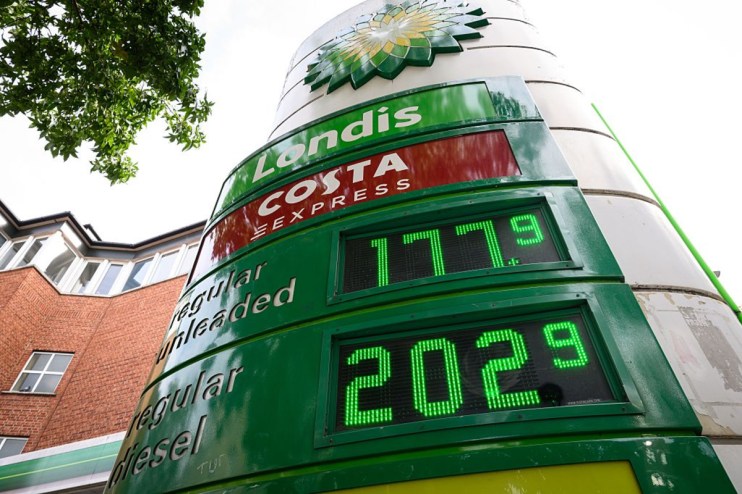
Diesel prices have passed 200p a litre in Britain for the first time ever this week, as the fuel became a major tool in the wars in the Middle East and Eastern Europe. Alongside recent elevated oil prices, Iran and Ukraine have been targeting refineries in a move to hamper global refining capacity and ramp up strain on the global market.
Foreign secretary Ed Miliband represented the UK on the call with G7 members, according to reports, and was joined by senior leaders from every other G7 nation. The crunch talks followed a bilateral talk between Donald Trump and Emmanuel Macron, in which the French President suggested releasing some 100m barrels of both diesel and crude oil to stave off the US administration’s threat of a diesel export ban.
In a statement after the G7 call, leaders said they had “agreed on decisive, coordinated measures to stabilise immediate energy supplies, shield households and businesses from price shocks, and strengthen the long-term resilience of global energy systems”.
“In this regard, taking into account commitments that have already been fulfilled, we will implement our commitments with a coordinated release through the IEA of 100m barrels to begin immediately over four months, including a frontloaded substantial diesel release within the first 20 days by G7 members and partners,” they added.
The group did not make clear what proportion of the 100m barrels would be diesel, nor how much was being released by Europe. But it did say there would be a “frontloaded substantial diesel release” within 20 days of the statement.
Diesel rift leaves Britain exposed
The agreement brings a close to anothing fraught period for US-Europe relations, that saw the US accuse Europe of dragging its feet over a March commitment to leverage its energy stockpiles. On Thursday, Scott Bessent urged Europe use them “immediately”. “Our European partners should accelerate delivery on their existing commitments and make additional supplies immediately available to address ongoing disruptions,” he wrote on social media.
As part of the commitment signed on Friday, members also agreed to “refrain from export restrictions on energy and energy products between G7 countries”, suggesting the US’s export ban threat no longer stands.
Economists had warned the UK is especially vulnerable to US export curbs should G7 members fail to reach any agreement. Capital Economics said in a note on Friday that a full US ban could have led prices at the pump to break 300p a litre, given the UK’s small reserves and low domestic refining capacity.
Unlike France and Germany, which both boast up to 400 days’ worth of diesel in storage, the UK only has enough capacity for between 40 and 50 days.
Capital Economics chief UK economist Paul Dales said the UK is “reasonably reliant on imports of diesel and particularly imports from the US”. He added that any ban over 60 days would feed into inflation and “raise the chances of second-round inflation effects and could mean the Bank of England raises interest rate further and for longer than otherwise”.









+ There are no comments
Add yours