







| Updated:
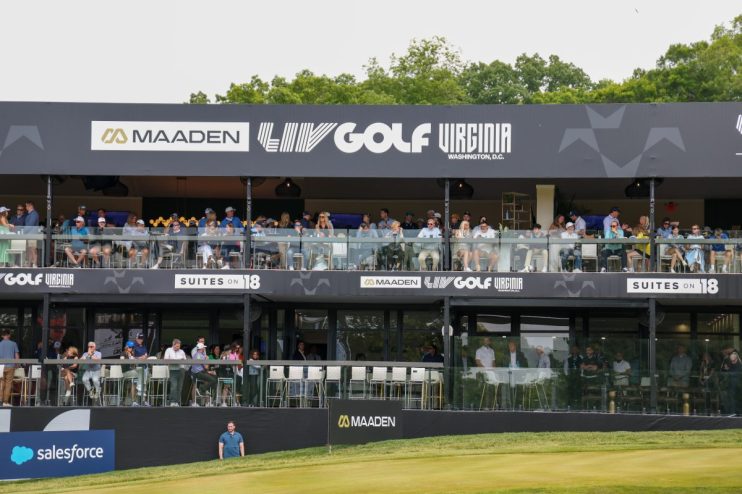
The potential bankruptcy of LIV Golf could see players leverage their power to take over the isolated business, according to experts.
The rebel golf league, featuring the likes of Bryson DeChambeau and Jon Rahm, has reportedly begun bankruptcy plans after its Saudi Arabian backers – the Public Investment Fund – confirmed that they’ll cease funding the tour come the conclusion of the 2026 season.
It appears to be part of a Saudi scaling back across sport, with snooker, tennis and esports all impacted by the kingdom’s shift.
And it could see its board use a Stateside legal process to remain afloat.
Chapter 11 is a United States legal process that allows a company to reorganise its debts and remain operational.
And while LIV Golf does not appear to have any funded debt outstanding in the form of bonds and loans, industry experts have raised concerns surrounding the potential bankruptcy of the rebel tour.
LIV Golf bankruptcy possible?
Sarah Foss, Global Head of Legal at Debtwire, Told City AM that the powerful “all-in restructuring tool” could allow “LIV Golf to renegotiate expensive player contracts and raise new financing”.
“Given LIV’s international footprint,” she added, “recognition of a US Chapter 11 proceeding in foreign jurisdictions would be an important part of the process. Cross-border recognition can help protect assets and enforce the restructuring globally.
“A Chapter 11 filing has been called Plan B or the last resort. However, the fact that the company has hired experienced restructuring professionals and appointed similarly experienced board members shows that LIV is likely giving serious consideration to the potential for a US bankruptcy filing or restructuring.”
Change of tone
LIV Golf set out as a stalwart of Saudi Arabia’s push into sport, alongside the purchase of Premier League club Newcastle United.
But its UK entity has already posted losses of over $1bn and the reluctance of other leagues, notably the PGA Tour, to work with LIV has left players forced to choose between one tour or another.
“A Chapter 11 filing would not necessarily signal the end of LIV Golf – it could instead provide a structured framework to reset the business, rationalise costs without PIF funding, and facilitate new ownership in a bankruptcy sale. Indeed, one of the benefits and most powerful tools in Chapter 11 is the ability to reject or renegotiate burdensome contracts. This could be particularly significant for LIV given the scale of guaranteed player agreements which do not appear to be economically feasible.
“There is also the potential for players, potentially alongside private equity or other investors, partnering to take the business in a bankruptcy sale.”











+ There are no comments
Add yours