






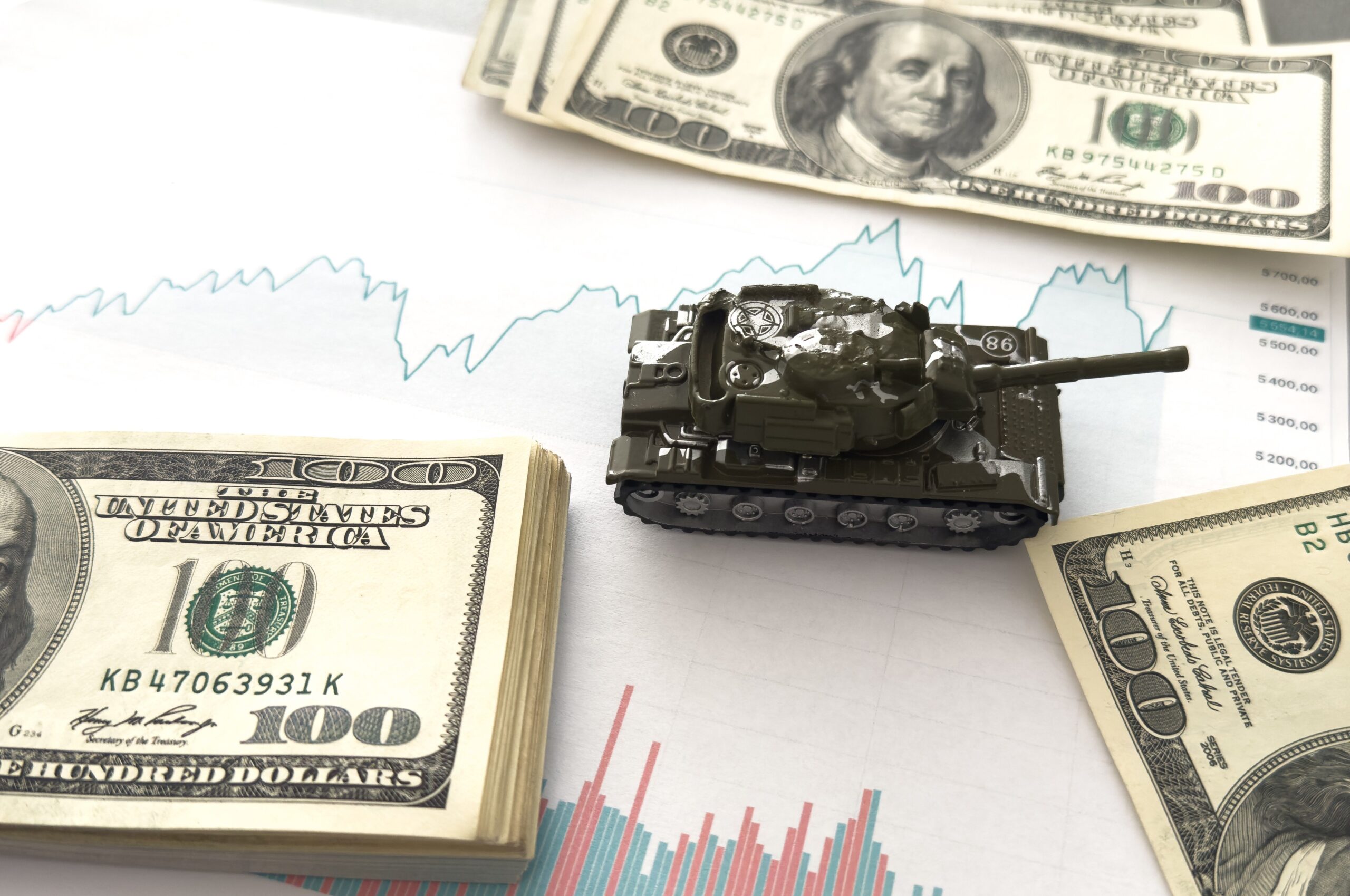
As it pushes for a record breaking $1.5 trillion defense budget, the Department of Defense wants lawmakers to water down restrictions on the infamous revolving door between the Pentagon and industry, inviting more undue influence from the defense sector.
The DoD’s legislative proposal, submitted to Congress for consideration in the FY 2027 National Defense Authorization Act (NDAA), tosses out key lobbying restrictions introduced by the late Sen. John McCain (R-Ariz.) in 2017. It remains unclear whether the proposal will be included in the base text of the Senate version of the NDAA, which has not been released.
The McCain restrictions prevented recently departed officials from lobbying the Defense Department or Armed Forces for two years following retirement. But the new DoD provision would only impose this two year “cooling off” period on former defense officials who want to lobby in the specific military agency or Pentagon office where they used to work.
The DoD claims it needs to do this because the limits now in place “may restrict the Department’s access to the knowledge and expertise of its former personnel” and thus could have an “adverse effect on [the department’s] recruitment and retention.”
As such the bill also eliminates McCain’s two-year cooling off requirement for “behind-the-scenes” activities, which include the “preparation and planning activities, research and other background work” that can support a company’s lobbying activities. The DoD asserts that measures restricting these behind the scenes lobbying efforts are difficult to enforce.
Ben Freeman, the director of the Quincy Institute’s Democratizing Foreign Policy Program, calls the Pentagon’s rationale a “cop-out.”
“It’s a well-known trick in Washington that you can dodge cooling-off periods by ‘consulting’ and doing other things behind the scenes to exploit your connections on behalf of your clients,” Freeman said.
Advocates at Public Citizen warned lawmakers in a letter that tossing out these measures “would undermine the effectiveness of ethics laws to prevent undue [defense industry] influence” at the Pentagon.
“The cooling off period on behind-the-scenes work is vital for ensuring some companies don’t have an unfair competitive advantage,” Scott Amey, General Counsel at the Project on Government Oversight, tells RS. “Rolling that back just makes it easier for companies to win contracts on the basis of their connections instead of the quality of their work.”
“That’s good for deep-pocketed contractors, but it’s bad for taxpayers and it’s bad for national security,” Amey said.
The DoD pushed for a similar provision in 2020, but it failed.
“Given the number of former industry officials and lobbyists in [the Pentagon’s] leadership, the proposal appears to be self-serving for their own future employment prospects,” the letter by Public Citizen suggested. “Instead [of loosening lobbying laws], the National Defense Authorization Act should strengthen these laws by expanding the activities prohibited to include the other tools used by the lobbying industry such as strategic consulting and business development.”
From Your Site Articles
Related Articles Around the Web





+ There are no comments
Add yours