



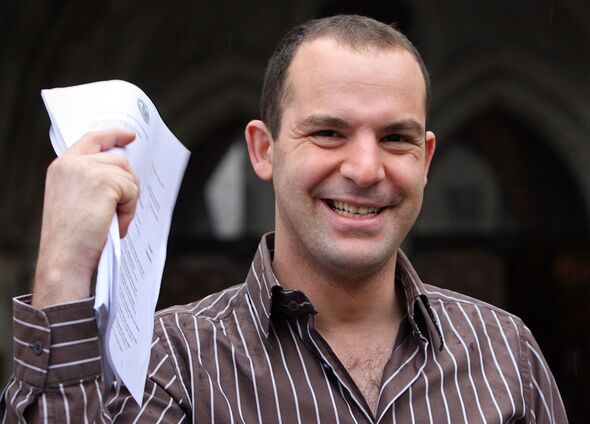

Martin Lewis has issued advice to households paying energy bills via direct debit. The consumer champion’s latest guidance, shared during an episode of the Martin Lewis podcast, could help eligible customers reclaim hundreds of pounds in credit.
The MoneySavingExpert founder shared a clip from the podcast on his official X page. In the post, the money-saving expert said: “Do you pay energy by monthly Direct Debit? If so this is the perfect time to check if you’re due £100s credit back.”
In the post, Martin told viewers: “If you pay your energy bills by monthly direct debit, this is the perfect time to check whether you are in too much credit. Energy films are sitting on over £3 billion of our cash and you can get it back. So why right now?
“Well, at the beginning of May, we are at the bottom of the curve in the energy direct debit cycle. That means this is the point of the year when you should have the minimum amount of credit. So go and have a look what credit you’re in.
“Make sure you’ve done an up-to-date meter reading, or you’ve got a smart meter doing that for you, and that’s being factored in. Then, assuming your direct debit is about right, what I would suggest, if you have any more than a month and a half’s worth of direct debits, that’s too much.”
Martin added: “So suppose your direct debit is £200 a month. If you have £600, a month and a half’s worth is £300. So I’d be getting in touch with them saying, why am I so much in credit?
“Please can you give me back the £300 of my money that you’re sitting on?” More advice is available on MoneySavingExpert, reports the Mirror.
According to the consumer website: “Paying your energy bill by monthly Direct Debit can save more than £100 a year compared with paying when you receive a bill. Yet with Direct Debit, suppliers base them on an estimate of your usage over a year, and then divide this by 12. If that’s wrong, you can end up overpaying – and last year around £3bn was held in credit by suppliers.”
In Martin Lewis’ guide, he reiterates that May is the perfect time to make the check. He explains: “While the midpoint of winter weather is around the end of January, it takes until May for your energy debt to stop increasing. So early May is when you should have the minimum credit.”
However, he adds that customers could also have a look in November. The expert explained that you should have maximum credit in early November. The advice said that people typically expect to have a maximum of 2.5 months of energy credit this month, though the total could vary depending on prices.