







The debates in the Senate and House Armed Services Committees this month over this year’s National Defense Authorization Act (NDAA), the Pentagon’s annual authorization bill, were anything but business as usual.
Perhaps the biggest shift in tone and substance was an unprecedented, bicameral challenge to the Pentagon’s ever-growing budget. The rest of Congress should take note.
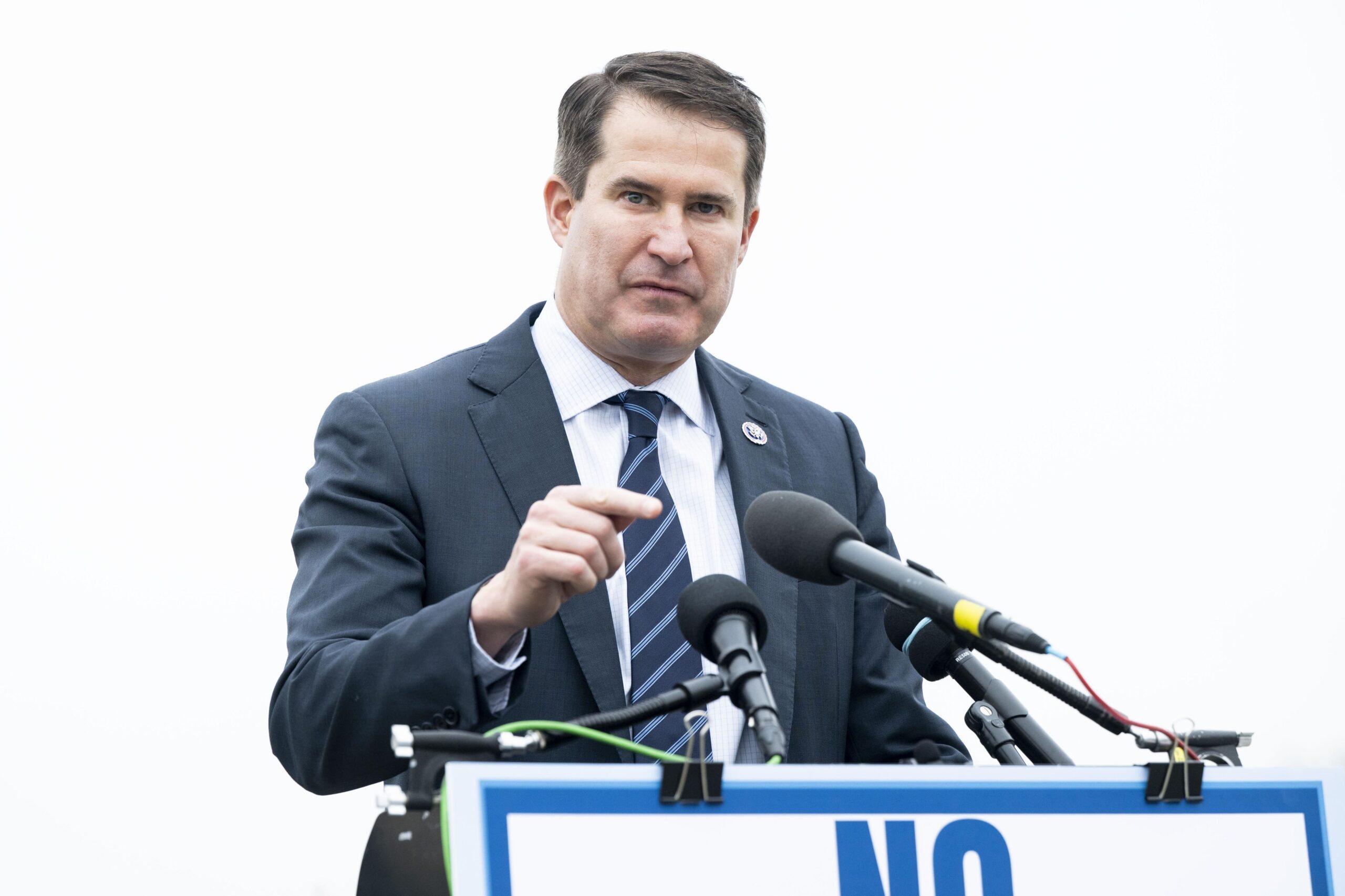
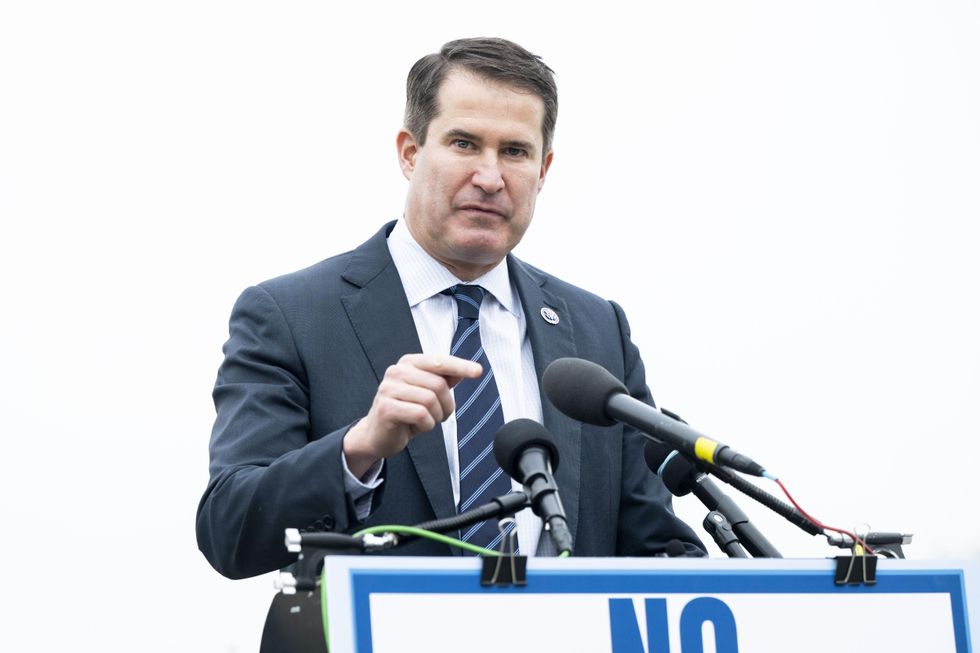
Early in the House committee’s marathon 14-hour markup of the bill, Rep. Seth Moulton (D-Mass.) led an amendment to cut the bill’s proposed $1.14 trillion topline by $150 billion. The first sign that this was going to make a splash came when not the usual two or three, but eleven lawmakers spoke in support of the amendment. While the measure ultimately failed 25-31, the fact that it garnered support from all but two Democrats on a committee that normally scoffs at efforts to cut military spending is an undeniable signal that the stars are aligned for a long-overdue showdown over the appropriate size of the Pentagon budget.
On the other side of the Capitol, during the Senate Armed Services Committee’s closed-door markup of the bill, Sen. Mark Kelly (D-Ariz.) led a virtually identical amendment to cut $150 billion from the topline, which won unanimous support from Democrats as well as Sen. Angus King’s (I-Maine) backing, leading to a 13-14 vote.
These votes were largely partisan, but reining in military spending isn’t a partisan issue for American taxpayers. A recent poll found that 65% of Americans oppose increasing the Pentagon budget from $1 trillion to $1.5 trillion. It’s not hard to understand why.
Following a $150 billion infusion of extra cash for the Pentagon included in the One Big Beautiful Bill Act (OBBBA) last summer — an infusion financed through a combination of debt and cuts to domestic programs that many Americans rely on, like Medicaid and SNAP — the Pentagon is now seeking a cumulative $600 billion increase over this year’s base budget for the coming fiscal year. Some $350 billion of that increase hinges on a third round of budget reconciliation this summer, which the president is still demanding despite growing opposition from members of his own party over the approach. The remaining $250 billion was included in both the House and Senate versions of the NDAA.
The revolts over the topline reflect how out of touch this budget request is. But it’s not just the sheer scale of the increase that fueled the debate. The topline debates were, in many ways, referendums on the unauthorized war with Iran. According to some estimates, the Iran War has cost American households over $100 billion. These costs might be less politically charged if Americans supported the war or if it had achieved any of the stated strategic goals. But they don’t, and it hasn’t. While the memorandum of understanding signed by the U.S. and Iran is a welcome step, a final comprehensive deal to secure a lasting peace is far from complete.
Moreover, under these circumstances, advancing the president’s pursuit of a nearly 50% increase in military spending could be viewed as giving this administration, and potentially future administrations, a green light to continue waging wars without congressional approval.
Another argument lawmakers offered in support of the cut centered on the fiscally reckless nature of the Pentagon’s budget request. Ranking Member Adam Smith (D-Wash.) offered amendments to raise taxes on corporations and the ultra-wealthy to pay for the increase, arguing that if lawmakers want to explode the Pentagon budget, they should find a way to pay for it that doesn’t add to the nearly $40 trillion national debt, which Smith said is the greatest national security threat the country faces.
As remarkable as the votes on the topline cut amendments were, even more remarkable was how they shaped the vote on final passage of the bill out of committee. In committees that normally pass the NDAA with only one or two defections, 12 House lawmakers voted against advancing the bill, and nine Senators voted no, citing the topline and the Iran War as their chief concerns.
These markups were only the opening salvo in the fight against the Pentagon’s $1.5 trillion budget request. Last week, the House Appropriations Subcommittee on Defense advanced the Defense Appropriations Act with a $1.07 trillion topline during a closed-door markup, but not without strong objections from Democrats, including Ranking Member Betty McCollum (D-Minn.), who voted against the bill.
On June 24, the full committee will mark up the Defense Appropriations Act, offering lawmakers another opportunity to bring the Pentagon budget back down to earth. Senate appropriators will follow suit, once they decide on a schedule that’s been delayed due to disagreement over Pentagon funding levels.
After that, floor fights on the NDAA and appropriations bills will give members of Congress who don’t serve on these committees — the overwhelming majority of lawmakers — opportunities to take a stand. National security, taxpayer interests, constitutional prerogatives, and common sense demand that they seize them.
From Your Site Articles
Related Articles Around the Web








+ There are no comments
Add yours