







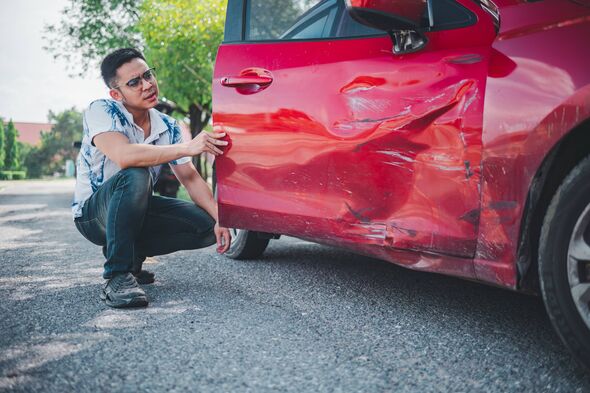
It’s not always the end of the road (Image: AP Chanel via Getty Images)
With household finances stretched and second-hand car prices remaining elevated, many motorists are looking at alternative ways to cut costs on their next vehicle — including previously written-off cars. While these vehicles can often appear considerably cheaper, and in some instances may represent a genuine bargain, they also carry additional complexities that are not always immediately apparent to prospective buyers.
Consequently, experts are warning motorists to proceed with caution, conduct thorough checks and ensure they fully comprehend what they are taking on before committing to a purchase. James Hosking, managing director of AA Cars, said the term “written-off” could be misleading, but should never be taken lightly.
He said: “A lot of people hear the term ‘written-off’ and immediately assume the vehicle must be dangerous or beyond repair, but that is not always the case. In many situations, insurers write cars off because modern vehicles are packed with expensive technology, sensors and electronics that make repairs uneconomical, even where the visible damage may look relatively minor. That said, it’s not something buyers should approach casually – these vehicles require much more careful consideration than a standard used car.”
Categories of vehicle write-off in the UK
In the UK, written-off vehicles are classified into categories according to the extent of the damage sustained. Category N vehicles have suffered non-structural damage, such as cosmetic or electrical issues, while Category S cars have undergone structural damage before being repaired and returned to the road. Both can legally be driven once more, but understanding the category is an absolutely vital first step for any prospective buyer.

James Hosking (Image: Newspage)
Mr Hosking said: “The most important thing is to understand exactly what you’re buying. Not all written-off cars are equal – some may have had relatively minor damage, while others may have experienced more serious impacts.”
Specialists stress that conducting thorough checks is absolutely crucial. A comprehensive vehicle history check should always be completed prior to purchase, as this will confirm whether the car has been written off, identify its category and flag any potential warning signs such as outstanding finance or mileage discrepancies.
Mr Hosking said: “A proper history check is one of the simplest but most important things you can do. It gives you a clear picture of the car’s past and can help you avoid costly mistakes.”
Ask detailed questions
Prospective buyers should also pose detailed questions regarding the repairs carried out, including who performed the work and whether supporting documentation such as invoices or photographs is available.
He added: “A reputable seller should be open and transparent. If you can’t clearly establish what’s been repaired and how, that should raise concerns.”
Independent inspections are also highly advisable, especially for Category S vehicles, where structural repairs may not be readily apparent. Beyond the initial transaction, purchasers should also weigh up the longer-term consequences.
Insurance premiums can be higher or more difficult to secure for written-off vehicles, and resale values are generally lower when compared with cars boasting an unblemished history.
Mr Hosking said: “It’s important to look beyond the upfront price. Lower purchase costs can be appealing, but they need to be weighed against potential insurance costs and future resale value.”
In the end, experts emphasise that written-off cars are not a decision to be taken lightly and may not suit every purchaser.
Mr Hosking added: “These vehicles shouldn’t automatically be ruled out, but they do require a much more cautious and informed approach. The key is to go into the process with your eyes open, carry out the right checks and make sure you fully understand the risks before making a decision.”