






Author
Ahmed Barakat
Author

Share

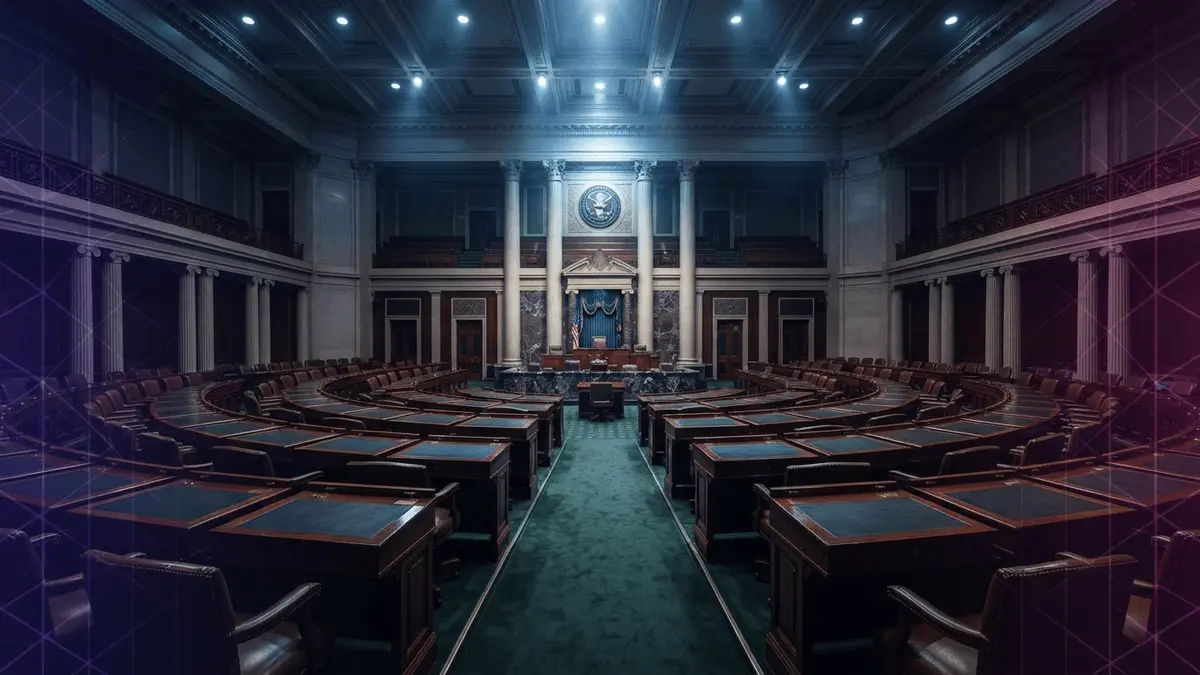
Treasury Secretary Scott Bessent posted a lengthy statement on X on July 30, 2026 demanding the Senate vote immediately on the Clarity Act, closing with Bitcoin creator Satoshi Nakamoto’s dismissal, that he had no time to convince those who don’t understand, in what amounted to the most aggressive public pressure campaign from a sitting Treasury Secretary on crypto legislation in recent memory.
The move followed Bessent’s earlier Wall Street Journal op-ed arguing the U.S. risks forfeiting its role as a global financial leader if Congress fails to act.
Bessent argued that Senate Banking and Agriculture Committee staff had spent thousands of hours negotiating bipartisan revisions since the House passed the Clarity Act over a year ago, and that Republicans now have a floor-ready bill awaiting a vote. His post framed the Democratic holdout not as principled opposition but as political deference to Warren’s bloc, a direct accusation that the delay is manufactured rather than substantive.
The op-ed Bessent published through The Hill made the economic case explicitly: the U.S. risks pushing the digital assets industry offshore through regulatory inaction, ceding ground that cannot easily be reclaimed.
He pointed to the GENIUS Act, signed into law last year and establishing the first federal stablecoin framework, as proof that bipartisan progress is achievable when the political will exists.
“The U.S. didn’t become the world’s financial center by hesitating in moments of technological change. It led by setting standards that others followed. By passing comprehensive digital-asset market-structure legislation, Congress will ensure that the next generation of financial innovation is built on American rails, backed by American institutions, and denominated in American dollars.”
Bessent also pushed back on Democratic claims that the bill lacks consumer protections, arguing that Titles II and III would substantially expand compliance requirements for digital asset intermediaries, moving them closer to the standards applied to traditional financial institutions.
He additionally defended the Blockchain Regulatory Certainty Act provision within the Clarity Act, which protects decentralized software developers from Bank Secrecy Act registration requirements, noting the Fraternal Order of Police, which previously opposed the measure, now supports it.
Discover: Everyone’s Got a Take. Get Free $25 to Actually Trade Yours
Clarity ACT: The Ethics Provisions Deadlock
The substantive obstacle to passage is not consumer protection language, it is the ethics provisions Senate Republicans introduced in May 2026.
Those provisions would bar the president and other federal officials from issuing or sponsoring digital assets while in office, language explicitly aimed at curtailing President Trump’s crypto activity after disclosures showed he generated over $1.2 billion from crypto ventures in 2025 alone.
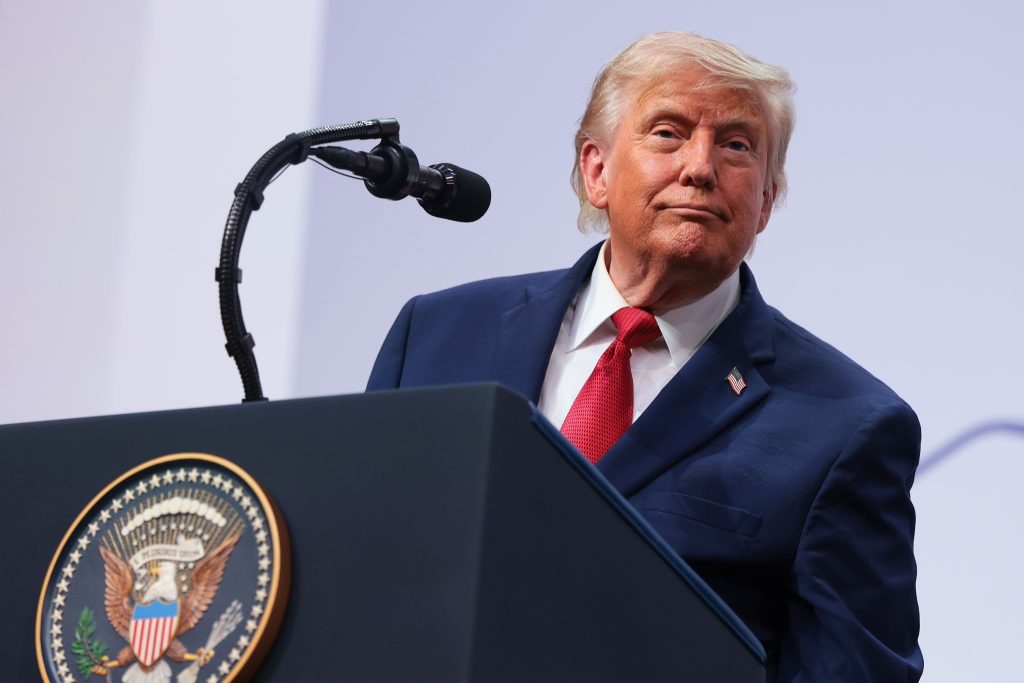
Democrats have criticized the proposal on three grounds: the restrictions expire in 2029, enforcement rests solely with the Justice Department, and the language does not extend to officials’ children.
That gap between what Republicans offered and what Democrats consider minimally credible enforcement is where negotiations have stalled. Sens. Angela Alsobrooks and Thom Tillis appeared to reach a bipartisan agreement late last month, but whether that deal commands sufficient support from both industries remains unresolved, per The Hill’s reporting.
Meanwhile, the broader crypto market on July 30 was digesting the FOMC decision and ETF flow data, with Bitcoin largely shrugging off the political noise around Senate scheduling, a pattern that held into the following session, where Bitcoin price continued ignoring the political stalemate even as the legislative calendar compressed.
Discover: Get Paid to Be Right, $25 to Start on Kalshi