





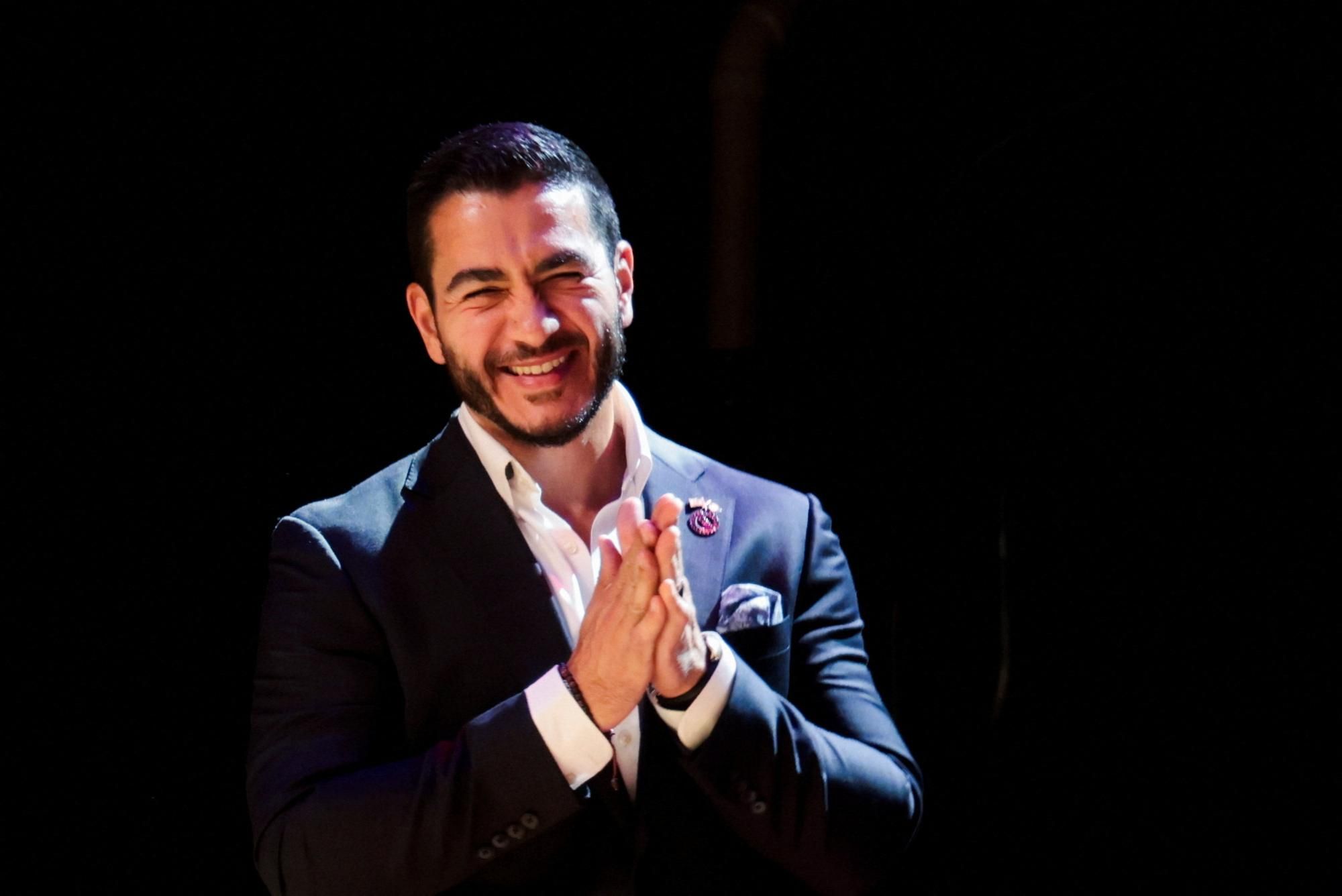
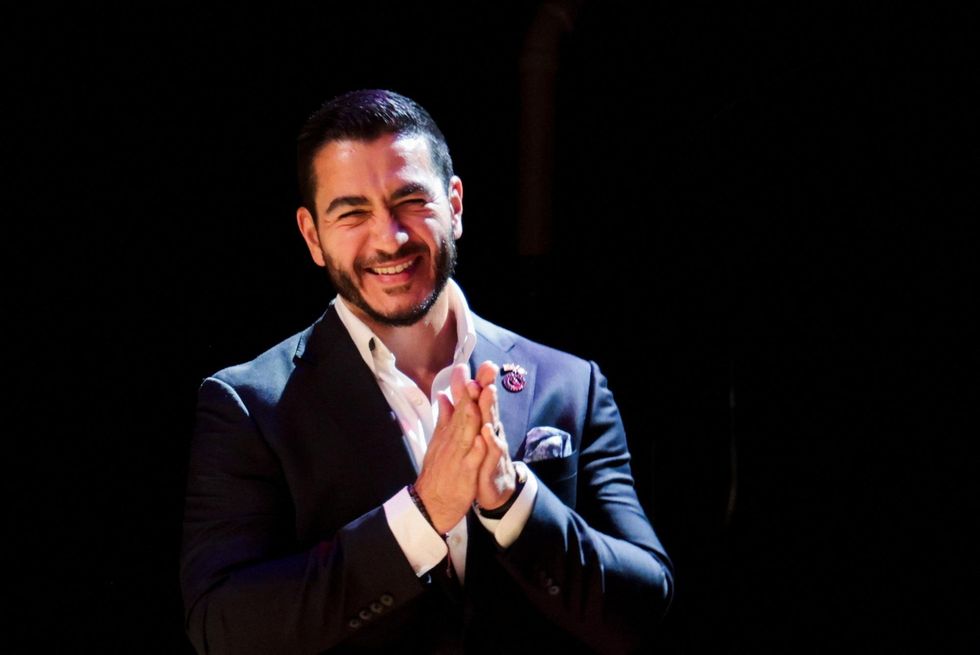
Abdul El-Sayed became the latest progressive insurgent to win a Democratic nomination contest on Tuesday, when he bested sitting House Rep. Haley Stevens to become the party’s nominee for Senate in Michigan.
At the time of writing, with 95% of the votes counted, El-Sayed had 48.6% to 47.3% for Stevens. Major media networks have called the race for El-Sayed, the former Wayne County health department director.
Similar to recent races in New York and Colorado, El-Sayed made his opposition to the U.S.-Israel relationship and pro-Israel lobby groups such as the the American Israel Public Affairs Committee (AIPAC) central to his campaign, framing his critiques as both a stand against the corrupting influence of big money in American politics and an indictment of U.S. foreign policy.
“AIPAC has spent a record amount in this race to elect my opponent because she’ll be a reliable vote to a foreign government that is aiding, arming, and abetting a genocide,” the presumptive Democratic Senate nominee wrote on X one week before votes were counted. “I want your tax dollars spent on schools in Michigan, healthcare in Michigan, and roads in Michigan.” Shortly before the election, he poked fun at the interest group for finding “the least capable candidate in America,” referring to Stevens.
However, unlike earlier results elsewhere in the country, the result in Michigan was a statewide race in a competitive state, where November’s result could easily play a decisive role in which party controls the Senate in 2027. El-Sayed will run against Mike Rogers, a former congressman who lost a narrow Senate race during the last election cycle and ran in an uncontested primary race this time around.
Before the votes were counted, allies of the eventual winner made the case that this race represented more than simply choosing the nominee for one Senate contest. Ben Rhodes, a former top aide to President Barack Obama who has become a critic of the U.S.-Israel relationship, wrote a long thread on social media that accused AIPAC of resorting to lying because they could no longer make a strong, substantial case.
“Money must lose. Abdul – and Michigan voters – can show that democracy is still something that is [in] the hands of [the people],” Rhodes wrote. AIPAC spent so much money in this race, he added, “because they want you to feel powerless. So that you think that nothing can change.”
For her part, Stevens has described herself as a “proud pro-Israel Democrat” and accused her opponent of trying “to blame all of [his] problems on Jewish Americans.” She voted against a recent amendment to the National Defense Authorization Act that would have cut $3.3 billion in aid for Tel Aviv.
The largest Super PAC arm of AIPAC, the United Democracy Project (UDP), spent a record $30.6 million in this race. In total, AIPAC has spent over $60 million on Democratic primaries in the 2026 cycle, compared to roughly $40 million two years ago, according to a recent report from the New York Times.
Once NBC News declared El-Sayed the winner, supporters said his win should send a message to the Democratic Party. ““AIPAC spent over $30 million to stop Dr. Abdul El-Sayed in this race, and that record-high sum wasn’t enough because Democratic voters have had it with the fringe and extremist view that our tax dollars should pay for Israel’s bombs, wars, and genocidal ambitions,” the IMEU Policy Project’s executive director, Margaret DeReus, said in a statement.
As the Quincy Institute’s Eli Clifton wrote in Responsible Statecraft in July, the money donated to UDP, outside of that which came directly from AIPAC, came disproportionately from Republicans and out-of-state donors. UDP is pushing back against a rising anti-Israel sentiment among the Democratic party’s base, while largely avoiding taking on the issue directly in its advertisements.
“Abdul El-Sayed’s win last night is a significant setback for AIPAC and Israel’s Lobby, groups that spent record sums of money to elect Haley Stevens, a politician who would continue to support unconditional aid to Israel,” Clifton told RS. “Michigan Democrats sent the message that they rejected this influence over their primary election and the politics it represents.”
Across the country on Tuesday, results were more mixed. In Missouri’s first district, incumbent Democratic Rep. Wesley Bell defeated progressive challenger Cori Bush by more than 20 percentage points. Bell unseated Bush in 2024 in a race that was then the second most expensive House primary in American history. AIPAC, which was an important funder in Bell’s victory, spent roughly $2 million to support the sitting member this time around, compared to more than $9 million in 2024.
From Your Site Articles
Related Articles Around the Web






+ There are no comments
Add yours