






| Updated:
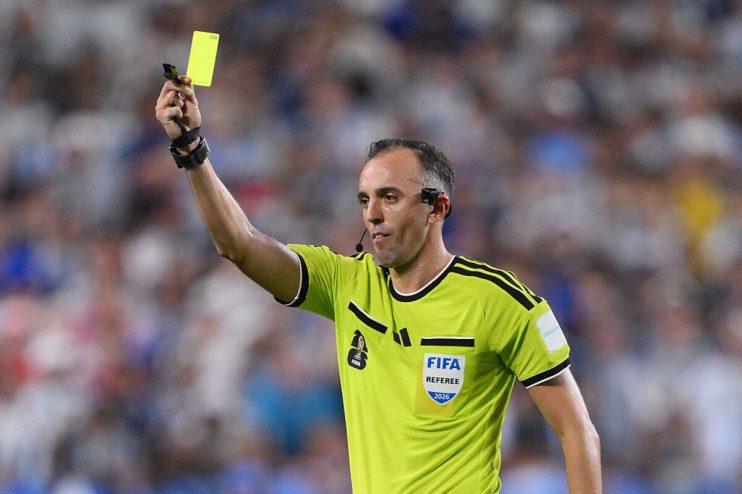
Amendments to Fifa’s Disciplinary Code from January 2027 have attracted attention, but most of the changes have already been binding for almost six months.
The May 2026 edition of the Code introduced changes affecting clubs, players, agents and their advisers, while January will introduce further changes around domestic enforcement.
The immediate exposure
Deadlines are one of the most important changes. Time limits now expire at midnight Eastern Standard Time on the final day rather than midnight Central European Time – in effect, six hours later than before.
A deadline falling on a weekend or US federal holiday rolls forward to the next working day, and Zurich public holidays no longer count. The risk is miscalculation: parties must now track a foreign time zone and the US holiday calendar.
The year-end pause no longer protects internal appeals. While most time limits remain paused between 20 December and 5 January, appeals under article 60 are excluded.
Take a club that receives the reasons for a decision on 19 December. Previously, the clock stopped the following day. Now the three-day window to announce an appeal runs on through the festive period.
A legal team away until 5 January could return to find the decision final, regardless of its merits, although there is some flexibility with extensions available in certain circumstances.
Decisions, appeals and sanctions
A single judge of the Disciplinary Committee may now decide any matter under the Code. A panel must now decide discrimination and match manipulation cases, unless the case is “deemed urgent”.
Doping cases no longer fall within that guarantee. They go directly to the Appeal Committee, removing one internal stage.
Internal appeals also carry greater cost risk. Proceedings before the Disciplinary Committee generally remain free, but before the Appeal Committee costs fall on the sanctioned party.
Where no sanction is imposed, costs are allocated according to the degree of success rather than automatically borne by Fifa.
For players or officials who admit to a discrimination offence, up to half their sanction may be converted into Fifa-approved educational, communication and training initiatives.
A team that leaves the field in protest at a refereeing decision, as we saw at in the Africa Cup of Nations final this year, now forfeits the match, with no replay.
Agents: creditors, sharper risk
Article 21, which sanctions failure to comply with decisions, now names football agents and match agents among the creditors it protects.
This gives an agent holding a Fifa or CAS decision over unpaid sums, such as commission, access to Fifa’s enforcement machinery.
In practice, this means that an agent with an unpaid award can ask Fifa’s Disciplinary Committee to act, potentially resulting in a club being barred from registering new players until it pays. During a transfer window, this creates significant leverage.
The same provision runs the other way: an agent who ignores a decision against him risks suspension of the licence he trades on.
What changes in January 2027?
The January 2027 edition, approved by the Bureau of the Fifa Council in June 2026, concerns decisions of national dispute resolution chambers (NDRCs) recognised under Fifa’s regulations.
Where a member association fails to enforce a final and binding decision of a recognised NDRC within 60 days, Fifa’s Disciplinary Committee becomes automatically competent to enforce it against the club or individual concerned. From January, Fifa can act directly where an association fails to do so.
A player who wins before his national chamber but remains unpaid can, after 60 days, take the matter to Fifa, which may impose a registration ban.
Important questions remain, including when the 60 days begin, how finality will be proved and whether the new route applies to decisions that became final before 1 January 2027.
Fifa’s disciplinary decisions are not routinely published, and appeals can take considerable time to produce a published award. The rules are live now, and the guidance on how they work may take a few years to emerge.
Nilo Effori is a sports lawyer and a partner at Brandsmiths.





+ There are no comments
Add yours