







| Updated:
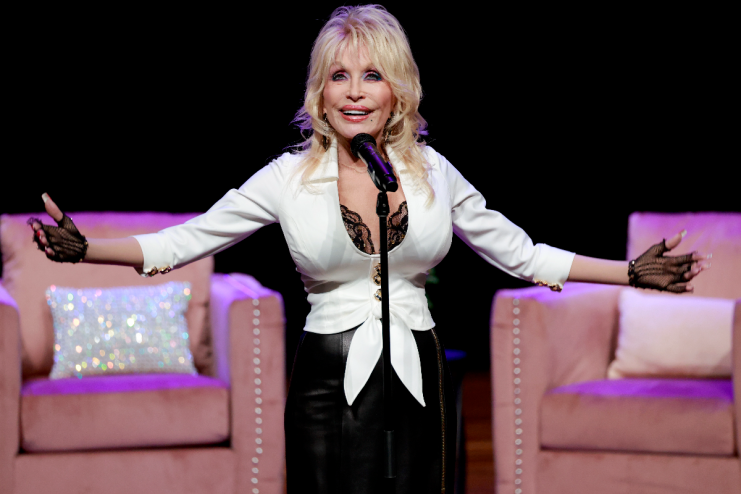
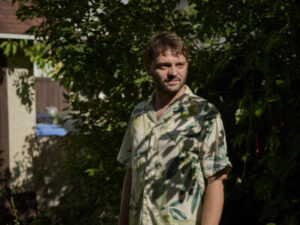
“Sadness lies with us, not with Dolly,” says Dolly Parton’s nephew Bryan Seaver in an Instagram video to announce the death of the country music star.
It’s an obvious thing to say about someone who has passed, but nonetheless, an idea that isn’t often thought about directly.
When someone passes we tend to focus on our sadness. That is natural and inevitable, but doesn’t take into account the obvious reality that the person who has passed away is no longer sad.
Despite it being a simple concept, there was something profoundly comforting about Seaver’s statement that grief is for those left behind.
As empaths, we naturally translate our sadness onto the person who has passed. We wish for more life for them, or that the passing hadn’t happened.
We feel sad for them, focusing on their final days, weeks or months, sometimes obsessively, and that makes sense: that period can be traumatic. But, as Seaver notes, it is important to mentally acknowledge that the person who is passing away will not experience grief in the same way we do.
Dolly Parton: dead at 80
Of course, it is valid for us to feel sad, and we should lean into that, because the only way out is through. Overcoming that sadness is best achieved by acknowledging it.
But as Seaver reminds us, it’s a mistake to conflate our grief with the grief of the person who has passed. “Dolly called me and said she wants to rest in a beautiful bed of plush cotton because after a life wearing heavy rhinestones she finally deserves to be comfortable and have some rest,” he said in the buoyant message.
The overall tone of the video is about celebrating what has happened rather than mourning what has not. About continuing to establish Parton’s legacy and about the work that is still to come even if Parton is no longer with us.
“My family and I have shared a lifetime of beautiful memories with Dolly. And so have you: she has always been on your television, your record player, and your phone playlist, becoming an extended part of your family.”
As someone who recently lost my parents, I’ve thought before about the fact that they aren’t struggling anymore. But I haven’t thought about the idea that they’re not sad in the same way that I am.
That, simple as it might be, feels comforting in a new way. The simple act of reminding myself that, while difficult, the pain and sadness I’m experiencing isn’t mirrored in their lived experience. That they lived a good life, like Dolly, and aren’t experiencing grief.
It’s similar to something Dick Van Dyke, who turned 100 recently, said. When asked how he feels about ageing and the inevitable, he acknowledged that he wouldn’t know about being dead when it happens: as he’ll already be dead.
It’s also immensely comforting for Parton’s fans that she took her death into her own hands, planning the video she wanted to publish, and personally choosing the person she wanted to star in it to make the announcement. It seems a fairly healthy way of contemplating her own passing.
Recording videos to celebrate a life lived, to be published when a person passes away, are becoming popular. The essayist Diana Athill is one of the centenarians to have published her ‘final say’ posthumously. She recorded the video before she passed away, only to be released once she had died.
The Netflix series Famous Last Words follows a similar formula and features pre-recorded interviews with Jane Goodall and Eric Dane.
Thank you Dolly for your life’s work – but also for your progressive way of going out of this world. RIP.
Read more: Dolly Parton’s Christmas Carol, Southbank Centre review: Catchy new tunes in touching show









+ There are no comments
Add yours