





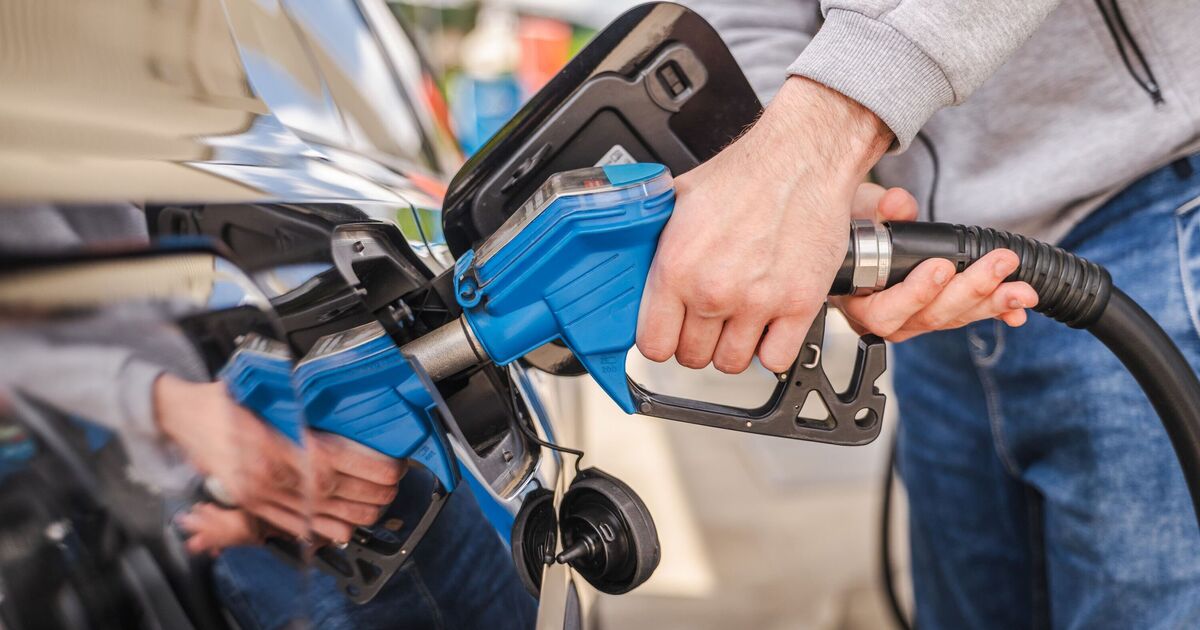
Motorists are being warned they could be paying over the odds at the pumps amid the fall-out from the Middle East war.
Competition watchdogs have stepped up scrutiny of fuel retailers amid concerns that wholesale cost reductions are not being fully passed on to drivers. The Competition and Markets Authority (CMA) said it remains concerned that weak competition in the fuel market is leaving motorists paying more than they should, despite finding no evidence that retailers deliberately exploited the recent conflict in the Middle East to increase prices.
In a fresh update, the watchdog examined fuel pricing up to the end of April and concluded that higher wholesale costs were responsible for most of the rise in petrol and diesel prices seen in recent months.
However, it said average fuel margins – the difference between what retailers pay for fuel and what they sell it for – remain at historically high levels.
And it warned retailers it is watching closely to ensure future wholesale price falls are reflected at the forecourt.
Sarah Cardell, chief executive of the CMA, said: “We know prices at the pump are putting real pressure on drivers’ pockets. While our analysis shows the rise in wholesale prices is the main reason for higher fuel prices, we remain concerned about weak competition in the sector, leaving drivers paying more.”
She added: “Retailers should be in no doubt that we are continuing to monitor prices and margins closely and expect any reductions in wholesale prices to be rapidly and fully passed on to drivers.”
The CMA’s latest findings come three years after its landmark fuel market study concluded that competition between retailers was not working effectively, allowing some firms to maintain higher margins at motorists’ expense.
While the watchdog found no evidence that retailers changed pricing strategies to take advantage of the Middle East crisis, it said a number of firms increased margins in March and April, with average margins reaching 11.3p per litre. It believes many retailers continue to adopt “passive” pricing policies, matching competitors rather than actively cutting prices to attract customers.
The regulator said it would be particularly concerned if current high pump prices persist despite improvements in fuel supplies and the stabilisation of wholesale costs seen during April. It will now closely monitor whether those better conditions translate into lower prices for drivers.
The warning comes as the Government’s Fuel Finder scheme seeks to boost transparency by allowing motorists to compare prices more easily. The CMA estimates drivers could save up to £9 per tank by shopping around using price comparison tools and navigation apps.
According to the watchdog, supermarkets remain the cheapest place to fill up on average, while motorway service stations continue to charge the highest prices and command a substantial premium.
Responding to the report, RAC head of policy Simon Williams welcomed the finding that retailers had not sought to profit directly from the Iran conflict but said the continued lack of competition remained a major concern.
“It’s positive to have confirmation retailers haven’t altered their pricing strategies as a result of the Iran war, but it’s worrying the watchdog has concluded competition is still lacking in the road fuel market and that margins are still at historically high levels,” he said.
Mr Williams said the CMA’s next report, due in August, would provide a crucial test of whether lower wholesale costs are being passed on.
“The wholesale price of diesel has already come down considerably but prices at the pumps have only dropped by around 8p since peaking on April 15 at 191.54p. The price of oil has now been under $100 a barrel for almost a week which is another positive sign for drivers and potentially a test for retailers as it should lead to lower forecourt prices.”
The CMA said it will publish a further update in August and will also begin a more detailed assessment of retailers’ pricing strategies, with findings expected in the autumn.
The investigation will examine whether the introduction of Fuel Finder is helping to increase competition and bring down prices for Britain’s drivers.