







| Updated:
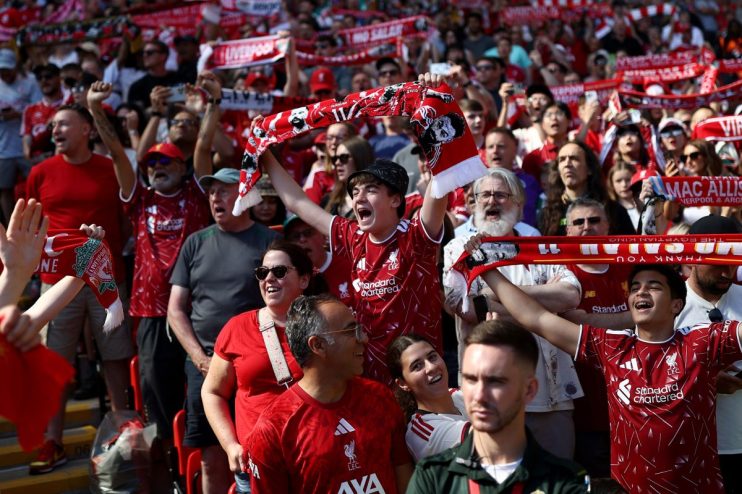
There is strong demand for English football stakes, writes Ed Barnett of Latham & Watkins, which advised the Amit Bhatia-led consortium on its acquisition of a minority stake in Liverpool.
The recent sale of a stake in Liverpool FC to a consortium of investors led and managed by Amit Bhatia shows the summer’s biggest transfers are not players but teams.
While headlines may focus on Manchester City’s record £116m signing of Elliot Anderson, rumours are swirling around the ownership of several other Premier League and Championship clubs, and football deals are proving big business.
All to play for
US-owners may control 11 Premier League clubs and be driving the current trend with their voracious appetite for English football, but there is a much broader range of global investors looking at deals.
A key driver is media rights. The Premier League’s 2025 to 2029 broadcast cycle is worth £12.3bn, up 17 per cent on the previous one, and international media rights have grown in value tenfold since 2007. While that growth may now be slowing, the fact that even the bottom-placed club receives over £100m annually is pretty enticing.
Football clubs are also seen as asset plays as much as sporting ones, with stadiums a key element. Manchester United’s planned new 100,000-seater stadium anchors a £7bn-a-year regeneration of the Old Trafford area, while Everton’s move to the Hill Dickinson Stadium and the Tottenham Hotspur Stadium regeneration have also reshaped asset bases. These infrastructure projects create lucrative mixed-use real estate investment propositions alongside football revenues.
Then there is the value of the brands. Deloitte’s 2026 Football Money League shows the top 20 clubs globally generated more than €12bn in revenue through the 2024/2025 season, with Real Madrid at the top bringing in close to €1.2bn. With investors keen to tap the commercial strength of those international fan bases it is no wonder multi-club ownership is also becoming more widespread, with half the Premier League now in some form of multi-club arrangement.
Finally, live sport is one of the few content categories that cannot be replicated or disrupted by generative AI. As a live event spectacle, English football takes some beating, with this year’s compelling relegation battle highlighting the competitiveness and genuine jeopardy on show.
Tackling regulation
As new capital flows into the game, watchdogs are keeping a close eye. The new Independent Football Regulator introduced prospective owner suitability tests in May, adding additional scrutiny to this summer’s deals. The Premier League will also continue to run its own tests of owners and directors, resulting in there now being two overlapping coordinated regimes.
With Uefa clamping down on multi-club ownership models, the league’s profit and sustainability rules being overhauled and the Financial Conduct Authority taking more interest, football deals are getting more complex, taking longer and costing more.
Still, investors show no signs of being deterred; rather, we see more interest from well-capitalised buyers keen to become strong custodians of these important cultural and in many cases iconic assets.
More to come in Premier League
Billionaires, sovereign wealth funds, investors in US sports franchises and private equity houses are all keen for a slice of football action, resulting in intense bidding battles that are arguably pushing up valuations. We expect to see hot demand for Premier League and top Championship clubs throughout the coming season, with regulators working to ensure opportunists are challenged early.
The ultimate winners will be the smartly-run clubs that also do well on the field. They can now expect to tap into a diverse pool of patient, sophisticated, highly networked investors who bring much more to the transfer market than just their deep pockets.
Ed Barnett is Office Managing Partner at Latham & Watkins







+ There are no comments
Add yours